Before you call an engineer
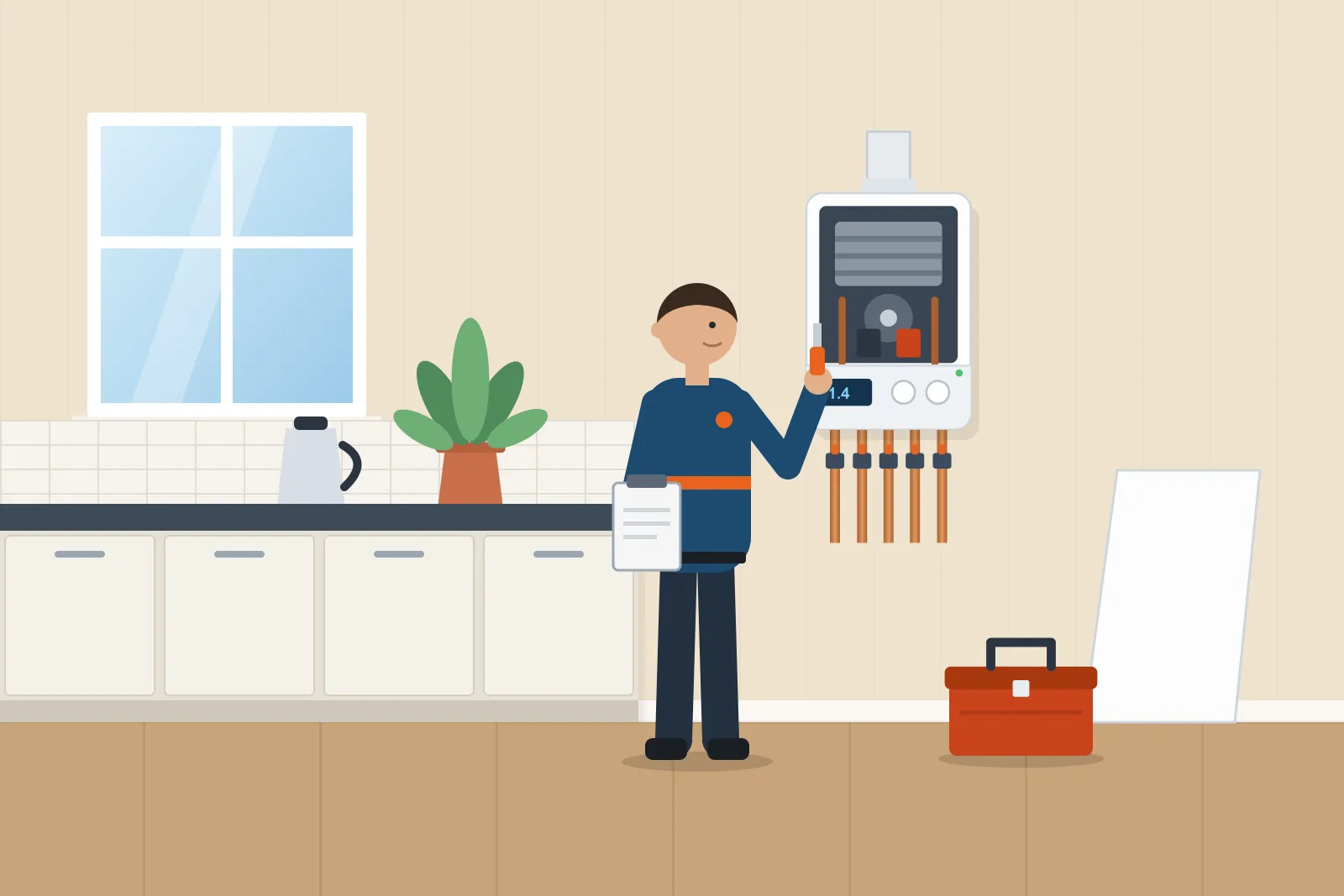
A few simple checks can rule out the obvious. None of them involve opening the boiler, and none involve the gas supply.
- Is the boiler switched on at the wall, with power to the display?
- Is the thermostat set high enough and the timer or programmer on?
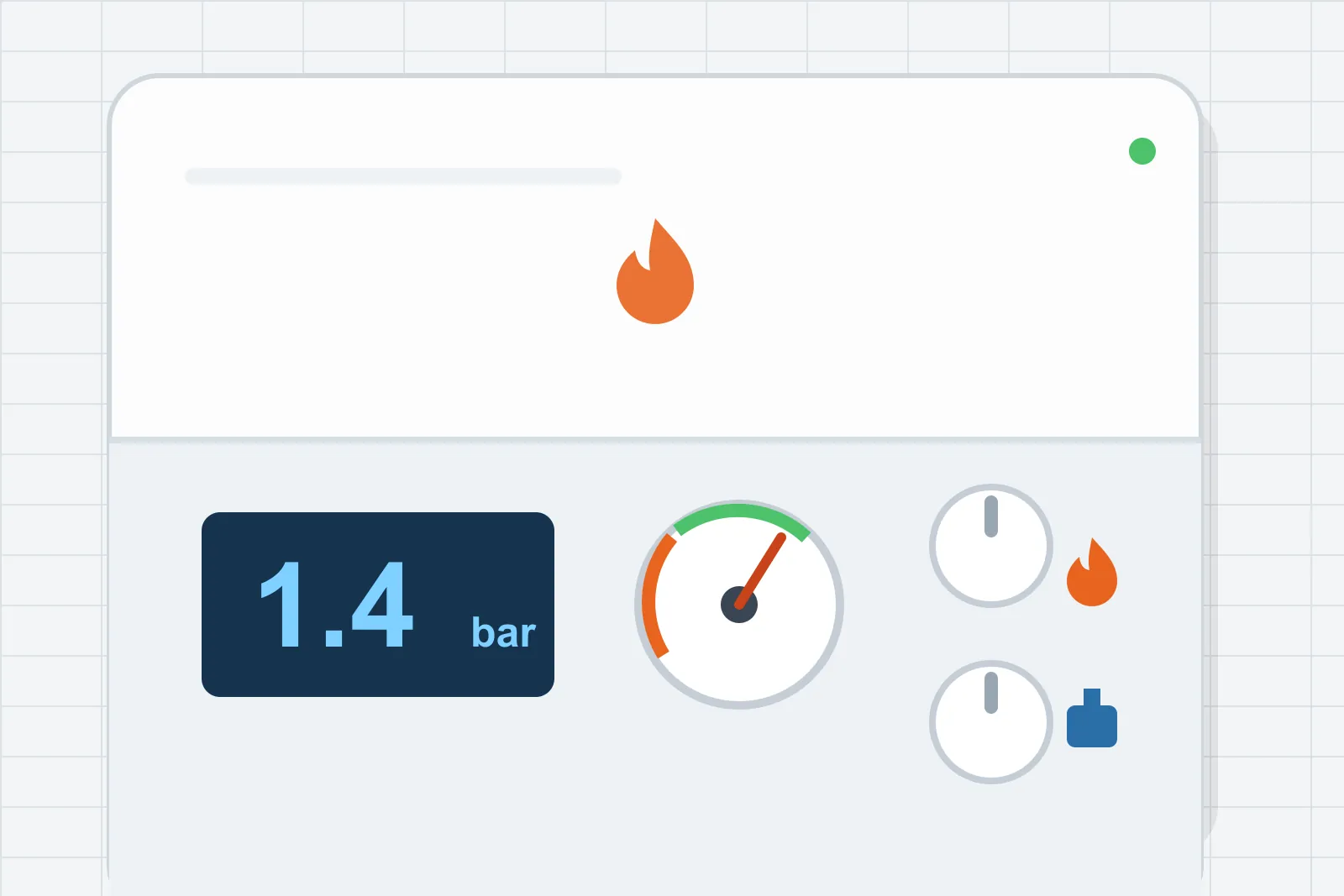
- What does the pressure gauge show?
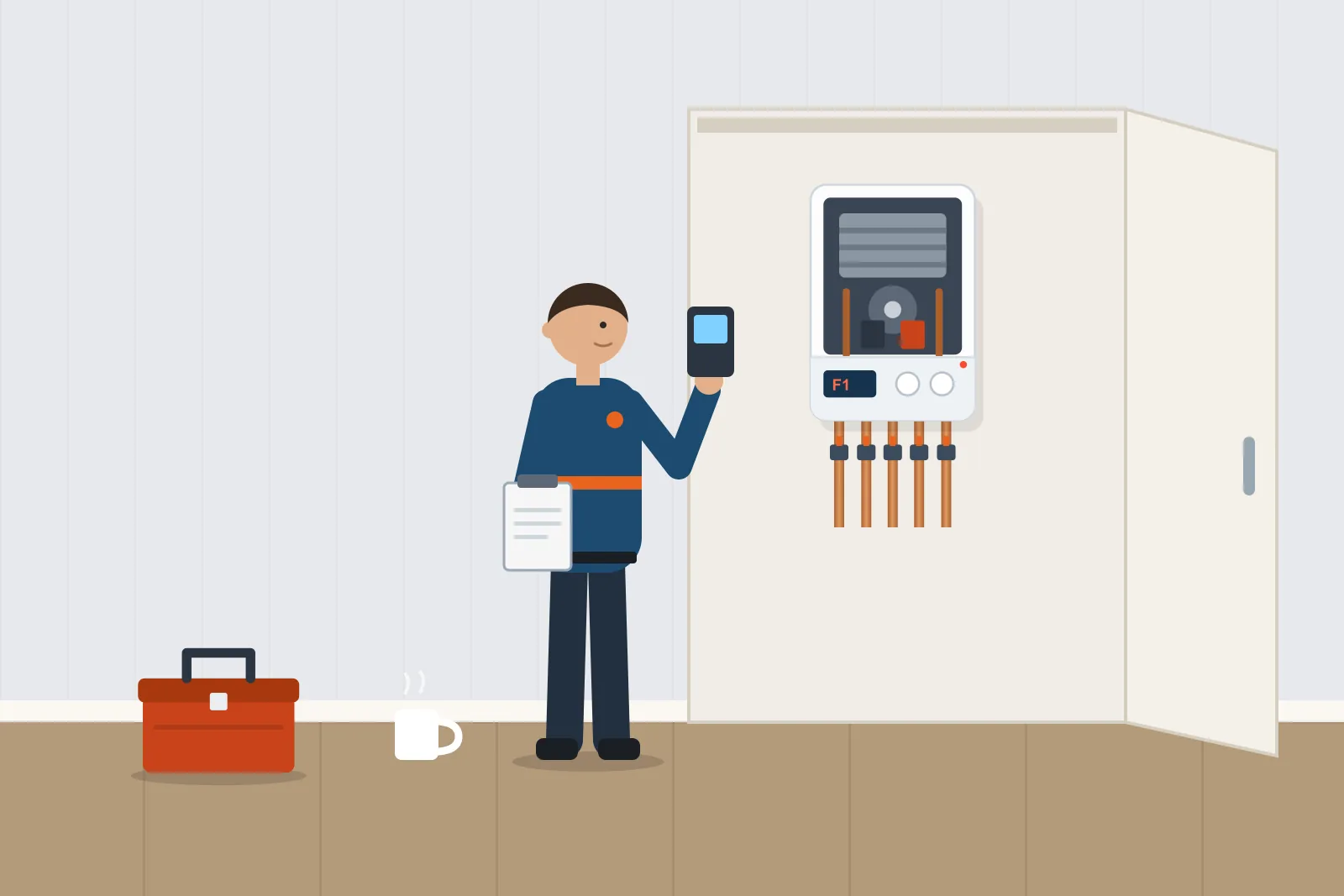
- Is there a fault code on the display? Note it down.
- In freezing weather, could the external condensate pipe be frozen?
Low boiler pressure
Sealed systems usually run at a pressure of around 1 to 1.5 bar when cold – check your manual for your boiler's recommended range. If the pressure drops too low, the boiler may lock out.
Many boiler manuals explain how to top up the pressure using the filling loop. If you're unsure, or the pressure keeps dropping, there may be a leak or a faulty part, and it's time to call an engineer.
No heating or no hot water
If you have hot water but no heating, the problem may be the thermostat, the controls or – in a combi – the diverter valve. No hot water but working heating can point the same way. No heating and no hot water at all can be anything from low pressure to a failed part.
Need a heating engineer?
Describe the job and compare free quotes from local heating engineers near you.
- Free to use
- No obligation
- Compare local engineers
- Quick online form
You'll continue to our quotes partner, MyJobQuote, to describe your heating job.
Frozen condensate pipe
Modern condensing boilers drain water through a plastic condensate pipe, often outside. In very cold weather it can freeze, causing the boiler to lock out – sometimes with a gurgling sound.
Many manufacturers advise pouring warm (not boiling) water over the frozen external section, then resetting the boiler. If that doesn't work, or you can't reach the pipe safely, call an engineer and ask about insulating or re-routing it.
Noises, leaks and smells
Banging, whistling or kettling noises can be caused by air, sludge or limescale. Leaks may come from valves, seals or the pressure relief valve. Each needs an engineer to diagnose properly.
If you smell gas, turn off the supply at the meter if it's safe to do so, open windows, don't use electrical switches or naked flames and call the National Gas Emergency Service on 0800 111 999 (0800 002 001 in Northern Ireland). If you suspect carbon monoxide – symptoms include headaches, dizziness and nausea – get fresh air and seek help immediately.