Radiator Installation, Replacement and Repair Quotes
A cold spot in the house, a tired old radiator or an extension that needs heating – get quotes from local heating engineers for new radiators, replacements and repairs.
- Radiator replacement
- New radiators and pipework
- Column and designer radiators
- Heated towel rails
- Thermostatic radiator valves
- Cold or leaking radiators
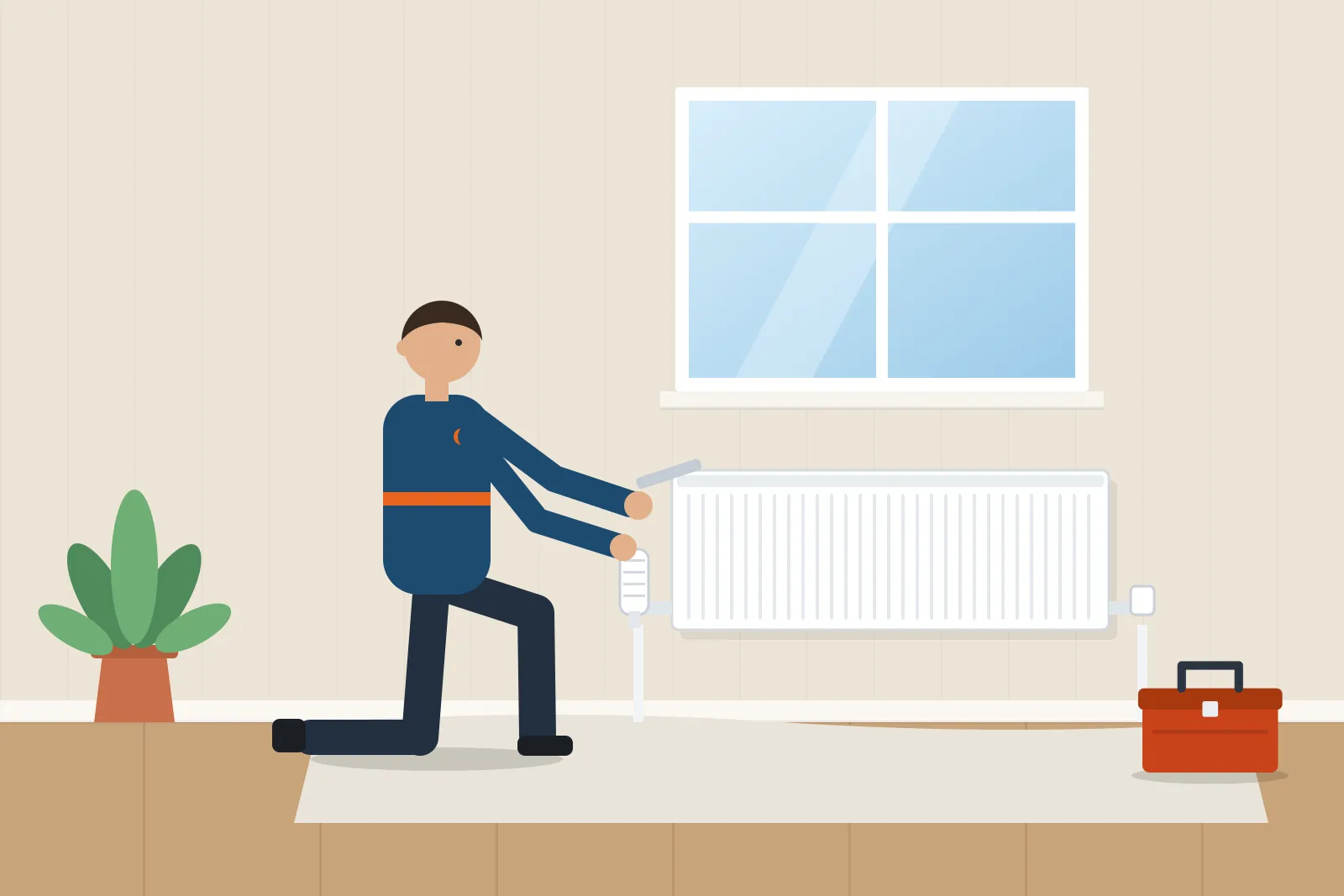
Radiators do the visible part of a central heating system's job, and they're easy to overlook until one stays cold, starts weeping at a valve or simply looks out of place after a room has been refitted. Replacing or adding radiators is one of the most common jobs heating engineers do.
A well-chosen radiator is sized for the room it heats, taking into account the room's size, windows, outside walls and insulation. Getting that right matters more than the style: a beautiful radiator that's too small will leave a room chilly, while one that's far too big can make the whole system harder to balance.
Tell engineers which rooms you want radiators in, roughly how big the rooms are and what style you have in mind, and add photos of the existing radiators and pipework. That makes quotes far easier to compare.
Radiator jobs local heating engineers quote for
Like-for-like replacement
A new radiator in the same position, often matched to the existing pipe centres to keep the job simple.
Upgrading radiator size
A larger or double-panel radiator for a room that never feels warm enough.
Moving a radiator
Repositioning a radiator to free up wall space, with new pipework under the floor or along the skirting.
Radiators for extensions
New radiators and pipework for extensions, loft conversions and garage conversions.
Towel rails and designer radiators
Heated towel rails, column radiators and vertical designs for bathrooms, hallways and living spaces.
Fixing cold or leaking radiators
Bleeding, balancing, valve replacement and diagnosing cold spots caused by sludge or circulation problems.
Radiator replacement and installation
Replacing a radiator usually involves isolating or draining down part of the system, removing the old radiator and brackets, fitting the new one with new valves where needed, then refilling, bleeding and checking for leaks. If the new radiator has the same pipe centres as the old one, the job is relatively quick.
Adding a radiator in a new position takes longer, because pipework has to be run from the nearest suitable flow and return – often under floorboards, which may need lifting. In homes with solid floors, pipes may run along the skirting or be chased into walls.
Whenever new radiators are added, an engineer should check that the boiler has enough output to cope and rebalance the system so that every radiator heats up properly.
Choosing the right size of radiator
Radiator output is usually listed in watts or BTUs. The output a room needs depends on its size, ceiling height, number and type of windows, outside walls and insulation. A heating engineer will calculate this, rather than guessing from the size of the old radiator.
It's also worth checking how manufacturers quote output: figures are usually given at a standard temperature difference, and a radiator running at lower flow temperatures – as modern condensing boilers and heat pumps often do – gives out less heat than the headline figure.
- Single-panel radiators are slim and suit small rooms and tight spaces
- Double-panel and double-convector radiators give more heat from the same wall space
- Column radiators suit period homes and larger rooms and come in many heights
- Vertical radiators make use of tall, narrow walls in hallways and kitchens
- Heated towel rails dry towels well but often give out less heat than a panel radiator
- Larger radiators can help a system run efficiently at lower temperatures
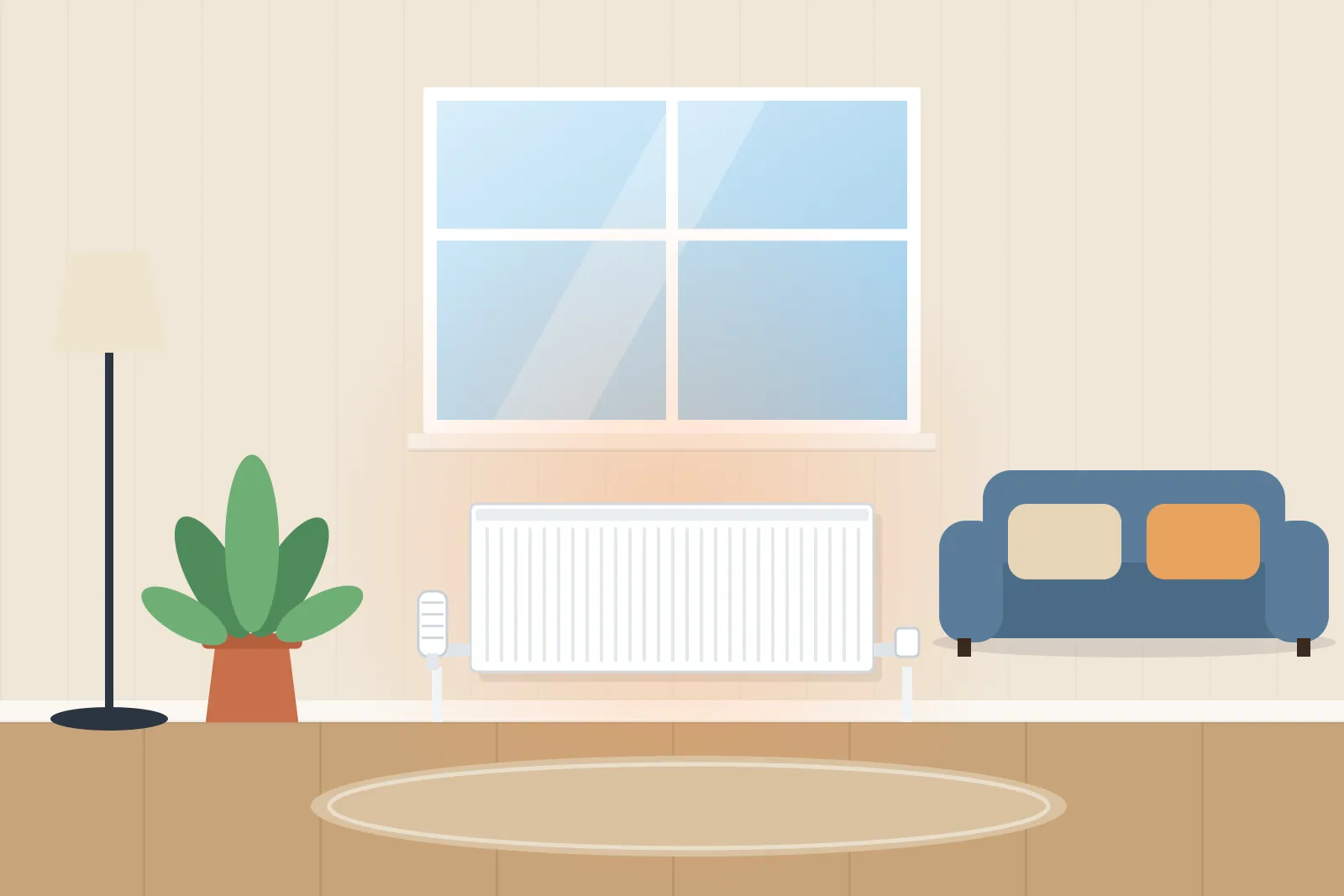
Panel, column and designer radiators
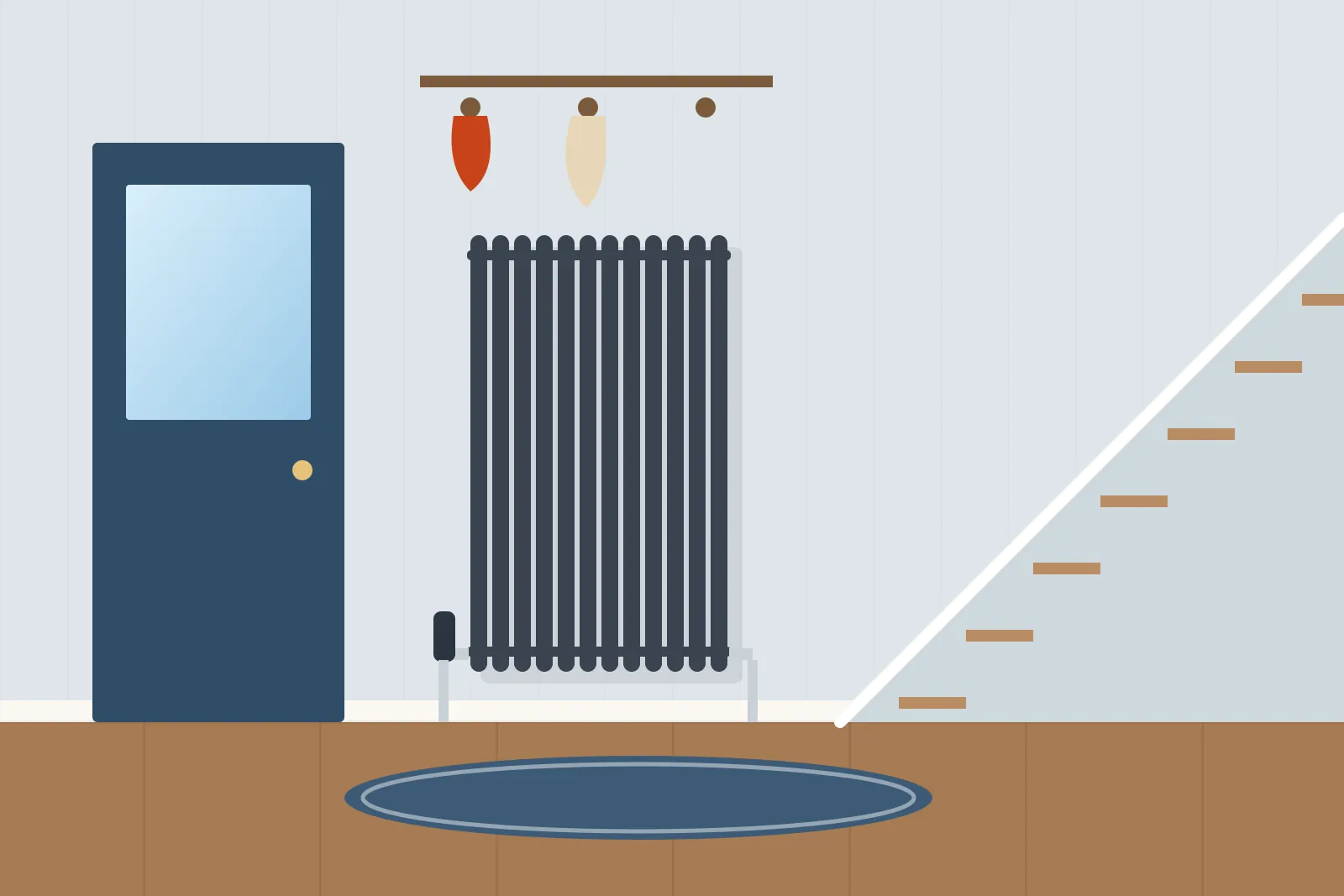
Standard white panel radiators are the most affordable and the most common. Column radiators – in steel or cast iron – suit period properties and give a lot of heat for their footprint, though cast iron ones are heavy and need solid walls and fixings. Designer and vertical radiators come in a huge range of finishes and shapes.
If you're choosing a style yourself, give the engineer the model and output before they quote, so they can confirm it's suitable for the room and allow for any unusual fixings or valve positions.
Cold, noisy and leaking radiators
A radiator that's cold at the top usually has air trapped in it and needs bleeding. One that's cold at the bottom or in the middle often points to sludge – a build-up of corrosion debris inside the system. If some radiators heat up and others don't, the system may need balancing.
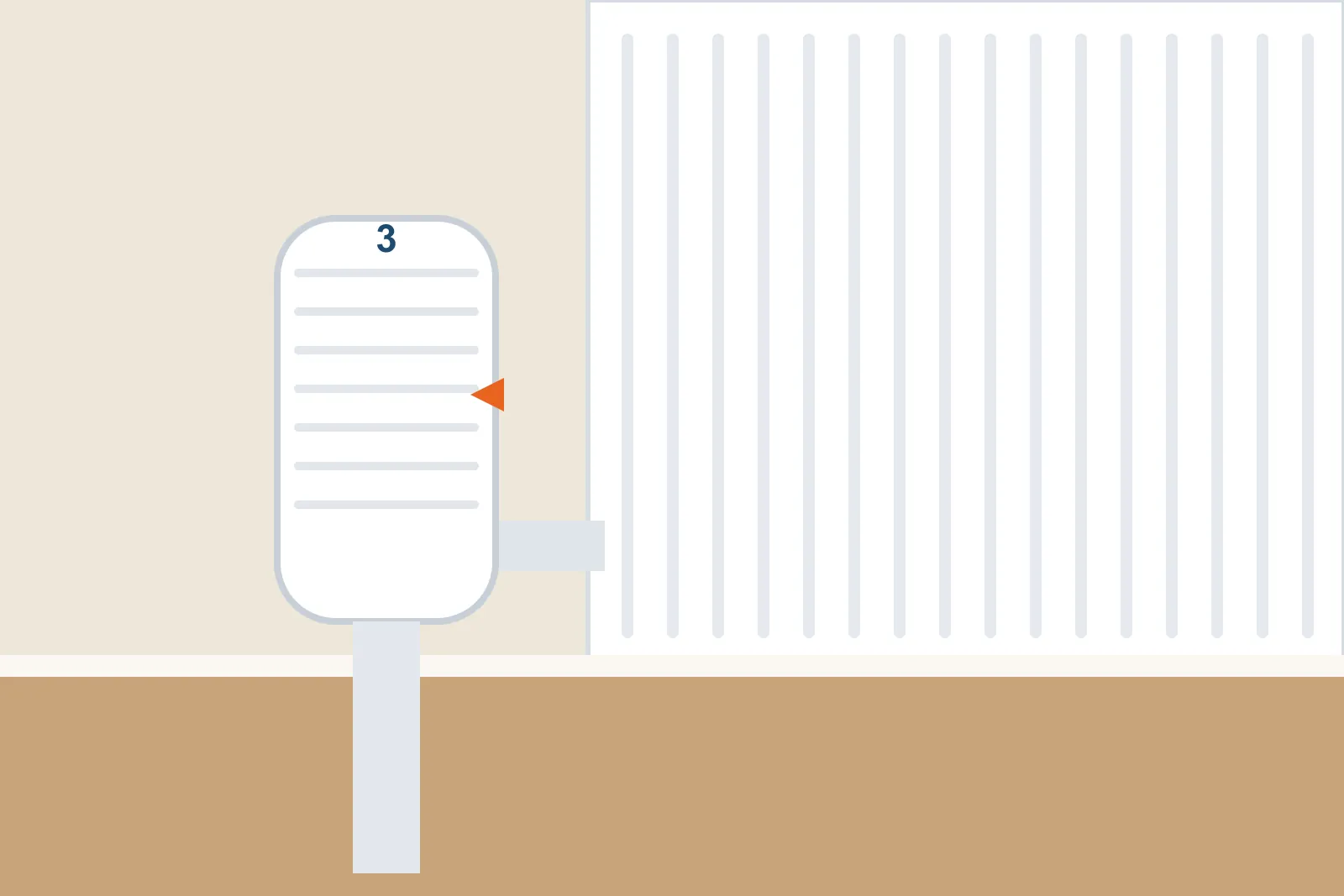
Leaks most often come from valves, valve tails or old radiators that have corroded from the inside. Replacing worn valves and fitting thermostatic radiator valves (TRVs) is a common add-on to radiator work, giving you room-by-room temperature control.
Power flushing and system cleaning
Over time, central heating water can become dirty with sludge and debris. Symptoms include cold patches on radiators, a noisy boiler, slow warm-up and repeated breakdowns. A power flush pumps water and cleaning chemicals through the system at high flow to dislodge the build-up; a chemical clean or gravity flush is gentler and suits some systems better.
Cleaning the system is often recommended before fitting a new boiler and may be a condition of the boiler's warranty. Afterwards, an inhibitor and a magnetic filter help keep the system clean.
When to replace or add radiators
The summer months are the easiest time for radiator work, as the heating can be off while the system is drained. It also leaves time to get radiators in before the cold weather arrives.
If you're planning new flooring, a room refit or an extension, book radiator work before the finishing trades. That way pipes can be run under floors and behind skirting, and you won't need to make good around new brackets afterwards.
Points to raise with your engineer
- Check that the boiler has enough output if you're adding several radiators or a large extension.
- Ask whether the system will be balanced after the new radiators are fitted.
- If radiators are cold at the bottom, ask about cleaning the system before fitting new ones.
- Cast iron radiators are heavy – make sure the wall and fixings can take the weight.
- Work on the boiler itself, or anything touching the gas supply, must be done by a Gas Safe registered engineer.
Typical radiator prices
Indicative UK prices for supply and fitting, including VAT where the engineer is VAT-registered. The radiator itself can vary widely in price, particularly for column and designer models.
| Job | Typical UK price |
|---|---|
| Like-for-like radiator replacement (standard panel) | £200–£450 |
| New radiator with new pipework | £300–£650 |
| Column or designer radiator, supplied and fitted | £400–£1,200 |
| Heated towel rail, supplied and fitted | £200–£550 |
| Moving a radiator to a new position | £200–£500 |
| Thermostatic radiator valves (per radiator, with other work) | £40–£100 |
| Power flush (around 8–12 radiators) | £400–£750 |
| Bleeding and balancing the system | £60–£150 |
Prices are indicative only and include VAT where the engineer is VAT-registered. Always get written quotes for your specific job.
More examples, including servicing, repairs and full central heating systems, are in our boiler and heating cost guide.
What affects the price
- Radiator type and finish
- Standard white panels are the least expensive; column, cast iron and designer radiators cost considerably more.
- Pipework
- Matching existing pipe centres is quick. New routes, lifted floors or solid floors add time.
- Number of radiators
- Several radiators done together usually cost less per radiator, as the system is only drained once.
- System condition
- Sludge, old valves and corroded pipes may need flushing or replacing first.
- Valves and controls
- Thermostatic valves, smart radiator valves and designer valves all affect the price.
- Making good
- Lifting and relaying floorboards and making good walls may or may not be included.
Comparing radiator quotes
- The radiator make, model, size and heat output
- Whether valves are included and what type
- How pipework will be routed and whether floors need lifting
- Whether the system will be drained, refilled with inhibitor and balanced
- Who makes good floors and walls afterwards
- Removal and disposal of old radiators
- Any guarantee on the work
- A start date, duration and payment terms
Request radiator quotes
Describe the job, add your postcode and compare quotes from local heating engineers. It's free, and you're under no obligation to go ahead.
Get free radiator quotes
Describe your boiler or heating job once and compare quotes from local heating engineers who cover your area.
- Free to use
- No obligation
- Compare local engineers
- Quick online form
You'll continue to our quotes partner, MyJobQuote, to describe your heating job.
Radiators near you
You can request radiator quotes anywhere in the UK. These cities have their own local radiators page:
Heating engineers in more towns and cities
Guides for radiators
- Choosing radiatorsThe right radiator is the one that heats the room properly and fits the space. Here's how output, type and valves come together – and what to ask a heating engineer.
- Power flushing explainedSludge and debris build up in many heating systems over time. A power flush is one way to clean them out – here's when it helps and what's involved.
Radiators: frequently asked questions
How much does it cost to replace a radiator?
A like-for-like replacement of a standard panel radiator often costs around £200–£450 supplied and fitted. Column and designer radiators, new pipework and moving radiators cost more. Several radiators done at once usually work out cheaper per radiator.
How long does it take to fit a new radiator?
A straightforward replacement can take a couple of hours. Adding radiators in new positions, or replacing several at once, can take a day or more depending on the pipework.
What size radiator do I need?
It depends on the room's size, windows, outside walls and insulation. A heating engineer will calculate the heat output needed in watts or BTUs, rather than simply matching the old radiator.
Why is my radiator cold at the bottom?
A radiator that's cold at the bottom often has sludge inside it. An engineer may recommend a system clean or power flush, and sometimes replacing the radiator.
Can I add a radiator to my existing system?
Usually, yes, as long as the boiler has enough output and the pipework can supply it. An engineer will check this and rebalance the system afterwards.
Are column radiators better than panel radiators?
Not necessarily – they suit different spaces and styles. Column radiators give plenty of heat and suit period homes; panel radiators are compact and less expensive. Choose based on the heat output the room needs and the look you want.