Electric Boiler Installation and Replacement Quotes
A flat where gas isn't an option, a home off the gas grid, or old storage heaters that need replacing – compare quotes from engineers who install electric boilers in your area.
- Electric boiler installation
- Electric boiler replacement
- Gas to electric swaps
- Storage heater replacement
- Wet radiator systems
- Controls and thermostats
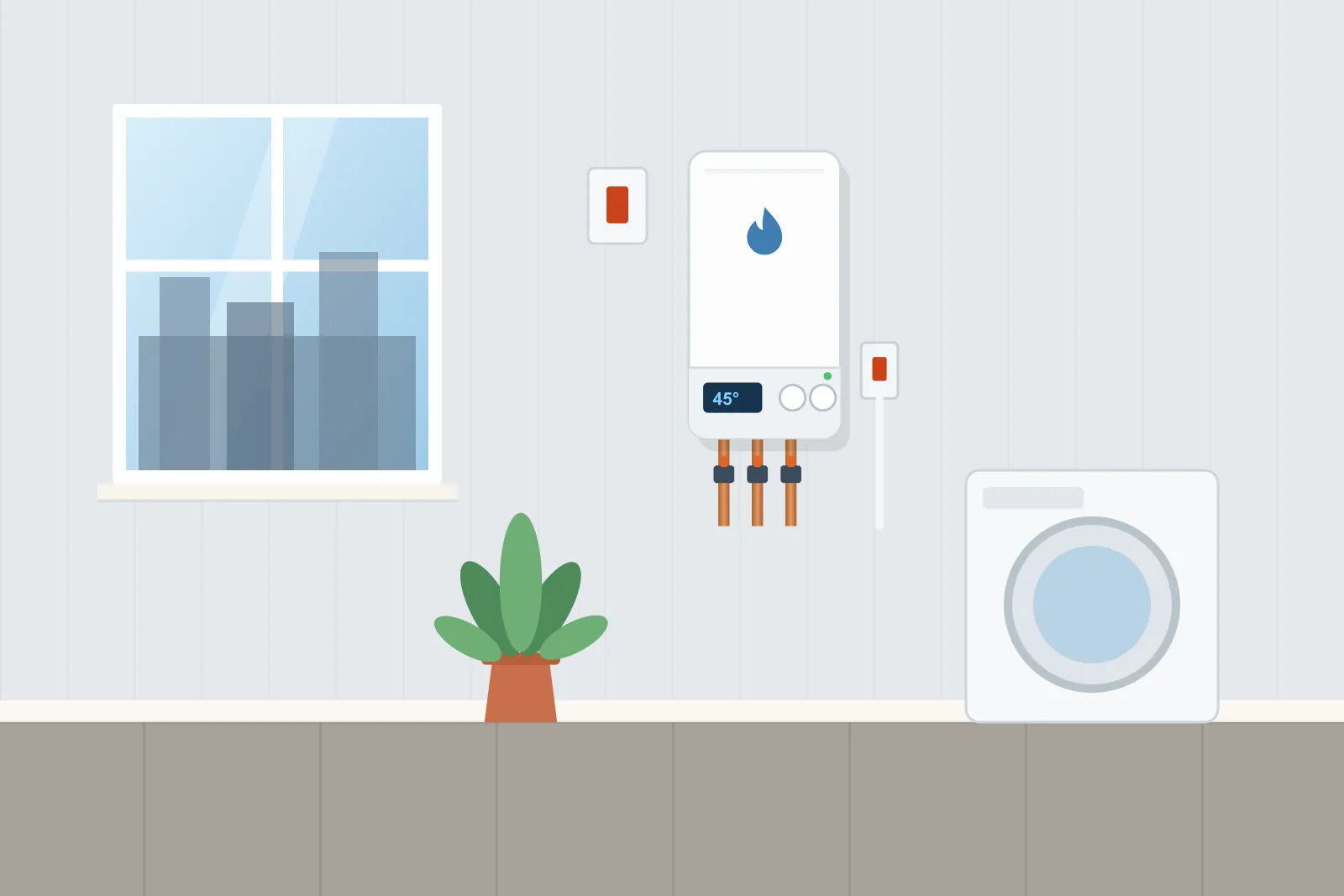
An electric boiler heats water for your radiators – and, depending on the model, your taps and showers – using electricity instead of gas or oil. There's no flame, no flue and no gas supply, so it can be fitted in places where a gas boiler would be difficult or impossible.
Electric boilers are most often chosen for flats, smaller homes and properties without a mains gas connection. They're compact and quiet, and because there's no combustion they don't produce carbon monoxide. The trade-off is running cost: electricity usually costs more per unit than gas, so they're best suited to homes that don't need a huge amount of heat.
Installing one is a job for a heating engineer who's comfortable with both plumbing and electrics, or a heating engineer working with a qualified electrician. Your quotes should cover the boiler, the connection to your heating system and any upgrade the electrical supply needs.
Electric boiler jobs local engineers quote for
New electric boiler installation
A first electric boiler connected to an existing or new radiator system, with a dedicated electrical circuit.
Electric boiler replacement
Swapping an older electric boiler for a newer model, often with better controls and a longer warranty.
Gas to electric boiler swaps
Replacing a gas boiler with an electric one and safely capping off the gas supply.
Replacing storage heaters
Removing storage heaters and fitting an electric boiler with a wet radiator system for more controllable heat.
Hot water options
Combination models for on-demand hot water, or a heat-only boiler working with a hot water cylinder.
Servicing and repairs
Periodic checks of electrical connections, controls, pressure and safety devices, plus fault-finding when something goes wrong.
How an electric boiler works
Inside an electric boiler, heating elements warm the water that circulates through your radiators, in much the same way a kettle does. A pump moves the water around the system and the boiler's controls switch the elements on and off to hold the temperature you've set.
Because nothing is burned, an electric boiler converts almost all of the electricity it uses into heat in the water and doesn't need a flue. That makes it easy to position – in a kitchen cupboard, a hallway or a utility room – and means the installation itself is usually simpler than for a gas boiler.
There are heat-only electric boilers that work with a separate hot water cylinder, and combination types that provide some hot water directly. Electric combis tend to have a limited hot water flow, so an engineer will check whether one can keep up with your showers and taps.
Which homes suit an electric boiler?
Electric boilers make the most sense where heat demand is modest or gas simply isn't available. They're a common choice in:
- Flats, especially in blocks where gas boilers or flues aren't allowed
- Smaller, well-insulated houses and new-build homes
- Properties off the gas grid where oil or LPG isn't wanted
- Homes replacing old storage heaters with a radiator system
- Annexes, garden rooms and extensions with their own small heating circuit
- Homes that generate their own electricity or use a time-of-use tariff
Electrical supply and installation
An electric boiler draws a lot of power, so it needs its own dedicated circuit from the consumer unit. Larger models may need a three-phase supply, which most homes don't have. Part of any survey is checking that your incoming supply, main fuse and consumer unit can cope with the boiler you're considering.
If the electrics need upgrading, that work may need to be carried out or signed off by a registered electrician and, depending on the job, notified under building regulations. Make sure each quote says who is doing the electrical work and whether it's included in the price.
Where an electric boiler replaces a gas boiler, the gas supply to the old appliance must be disconnected and capped by a Gas Safe registered engineer.
Running costs and controls
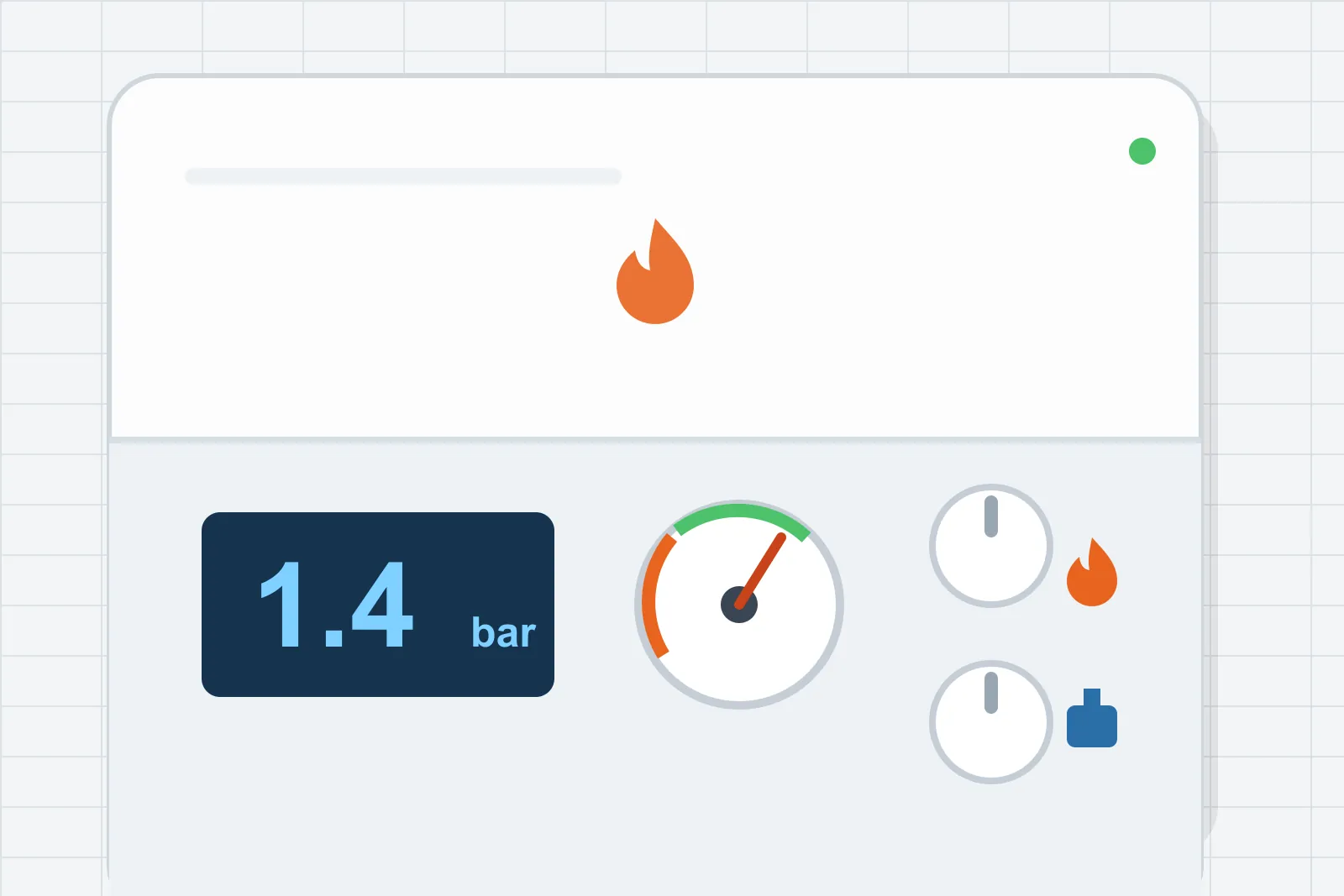
Electric boilers are very efficient at turning electricity into heat, but the cost of electricity per unit is typically higher than mains gas. For a small, well-insulated flat, that may make little difference; for a large, draughty house, the running costs can be significant.
Good controls help keep bills down: a programmable or smart thermostat, thermostatic radiator valves and, where available, a tariff with cheaper off-peak rates. Some electric boilers can work with a thermal store or hot water cylinder to take advantage of cheaper electricity at night. Ask engineers to explain how the system they propose will be controlled.
If you're weighing up an electric boiler against other options, such as a heat pump or keeping gas, ask for advice on running costs for your home specifically rather than relying on general comparisons.
Servicing and maintaining an electric boiler
Electric boilers have fewer moving parts than gas boilers and don't need a combustion check, but they still benefit from periodic maintenance. An engineer will check the electrical connections, elements, pump, pressure and expansion vessel, and test the safety devices and controls.
Check the manufacturer's guidance and warranty terms for how often a service is required. Keeping the system water clean with an inhibitor and a filter helps the elements and pump last longer.
Planning an electric boiler installation
An electric boiler installation is usually quicker than a gas installation, but the survey matters. Engineers need to check your electrical supply, the size of the property, your hot water needs and the existing radiators before recommending a model.
If you're replacing storage heaters, it's worth planning radiator positions and pipe routes before any flooring or finishing work, so pipes can be run neatly.

Safety and regulations
- New circuits and consumer unit changes are electrical work that may be notifiable under building regulations. They should be carried out by, or signed off by, a qualified electrician.
- If a gas boiler is being removed, the gas supply must be capped off by a Gas Safe registered engineer.
- Ask for an Electrical Installation Certificate for any new circuit and keep it with the boiler documents.
- Make sure the boiler is registered with the manufacturer so the warranty applies.
Typical electric boiler prices
Indicative UK prices including VAT where the installer is VAT-registered. The biggest variables are the boiler model, whether the electrical supply needs upgrading and how much radiator and pipework is needed.
| Job | Typical UK price |
|---|---|
| Electric boiler replacement (like-for-like) | £1,500–£3,000 |
| Gas boiler replaced with an electric boiler | £2,000–£4,000 |
| New dedicated electrical circuit (if needed) | £250–£800 |
| Storage heaters replaced with an electric boiler and radiators (flat) | £4,000–£8,000 |
| Hot water cylinder added to an electric system | £800–£2,000 |
| Service or maintenance visit | £70–£130 |
Prices are indicative only and include VAT where the engineer is VAT-registered. Always get written quotes for your specific job.
More examples, including servicing, repairs and full central heating systems, are in our boiler and heating cost guide.
What affects the price
- Boiler output and type
- Larger outputs and combination models cost more than small heat-only boilers.
- Electrical upgrades
- A new circuit, consumer unit work or a supply upgrade can add significantly to the cost.
- Existing system
- Connecting to existing radiators is cheaper than installing a new wet system from scratch.
- Hot water arrangement
- Adding or replacing a cylinder increases the price but can give better hot water performance.
- Removing old equipment
- Disconnecting gas, removing storage heaters or old tanks adds labour.
- Controls
- Smart thermostats and zoning add to the price but can help manage running costs.
Comparing electric boiler quotes
- The boiler make, model and output in kW
- Whether your electrical supply has been checked and any upgrade is included
- Who carries out and certifies the electrical work
- How hot water will be provided and at what flow rate
- Which controls are included
- Removal of old heaters, tanks or a gas boiler
- Warranty length and servicing requirements
- A clear start date, duration and payment terms
Request electric boiler quotes
Describe the job, add your postcode and compare quotes from local heating engineers. It's free, and you're under no obligation to go ahead.
Get free electric boiler quotes
Describe your boiler or heating job once and compare quotes from local heating engineers who cover your area.
- Free to use
- No obligation
- Compare local engineers
- Quick online form
You'll continue to our quotes partner, MyJobQuote, to describe your heating job.
Electric Boilers near you
You can request electric boiler quotes anywhere in the UK. These cities have their own local electric boilers page:
Heating engineers in more towns and cities
Electric Boilers: frequently asked questions
Are electric boilers expensive to run?
They are very efficient at turning electricity into heat, but electricity usually costs more per unit than mains gas. Running costs depend on how much heat your home needs, its insulation and your tariff, so ask an engineer to estimate costs for your property.
Do electric boilers need a flue?
No. Electric boilers don't burn fuel, so there are no combustion gases and no flue is needed. That makes them flexible to position.
Can an electric boiler provide hot water?
Yes. Some models heat hot water directly, while others work with a hot water cylinder. Direct electric combis can have a limited flow rate, so they suit smaller households better.
Do I need to upgrade my electrics for an electric boiler?
Often you need at least a new dedicated circuit. Larger boilers may need a supply upgrade or a three-phase supply. An installer should check your supply and consumer unit before quoting.
Is an electric boiler suitable for a large house?
It can be, but running costs and the size of your electrical supply may make it less practical. Larger homes with high heat demand usually need careful assessment before choosing an electric boiler.
Do electric boilers need servicing?
They don't need a combustion check, but periodic maintenance of the electrical connections, pump, pressure and safety devices is recommended. Check the manufacturer's warranty terms.
Ready to get electric boiler quotes?
One short form, local heating engineers, no obligation.
Get Free Quotes