Why heating only when needed usually costs less
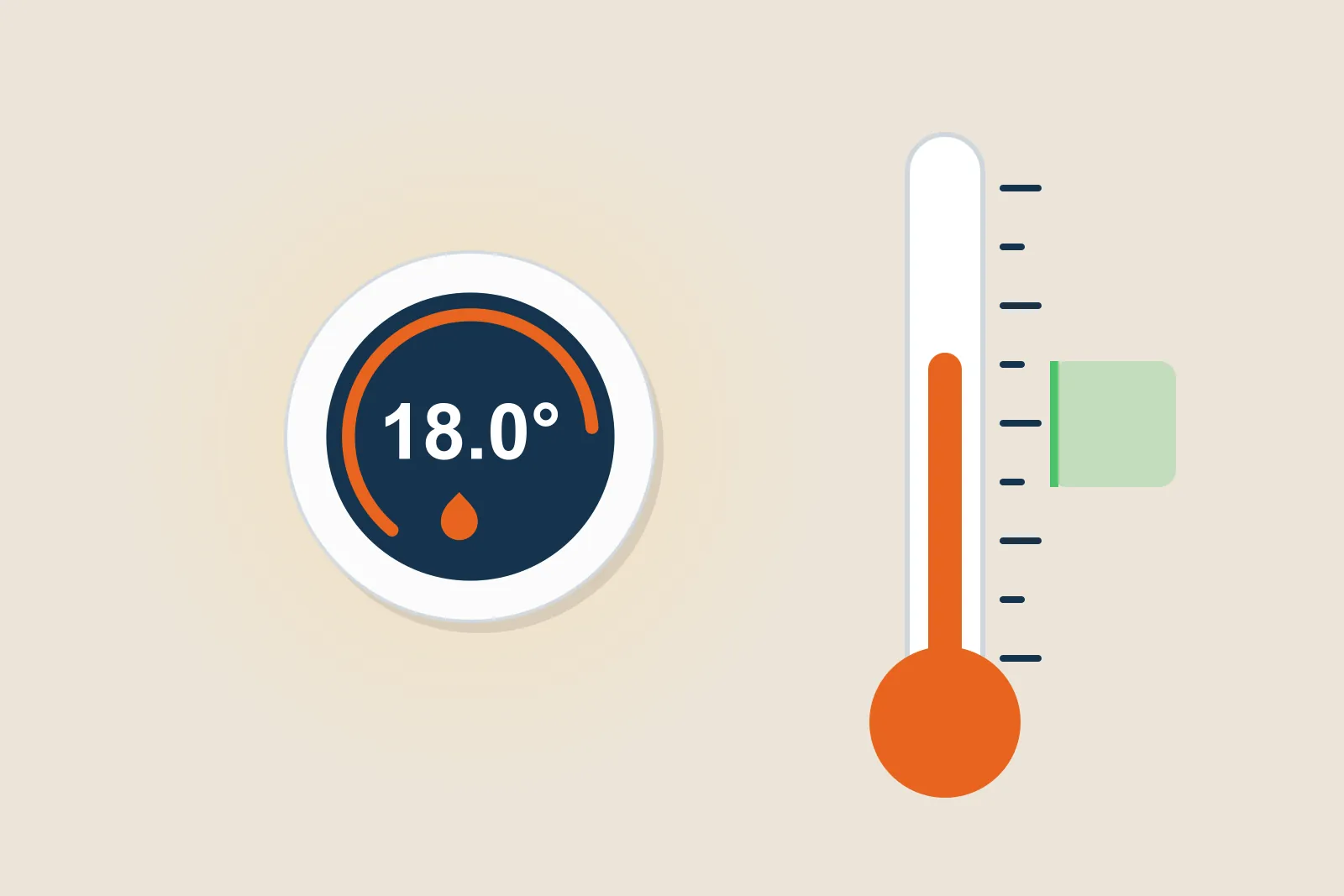
A home loses heat all the time to the outside. The warmer it is inside, the faster it loses heat. Keeping the house warm all day means replacing that lost heat continuously, while heating only when you need it lets the house cool down – and lose heat more slowly – when nobody is there.
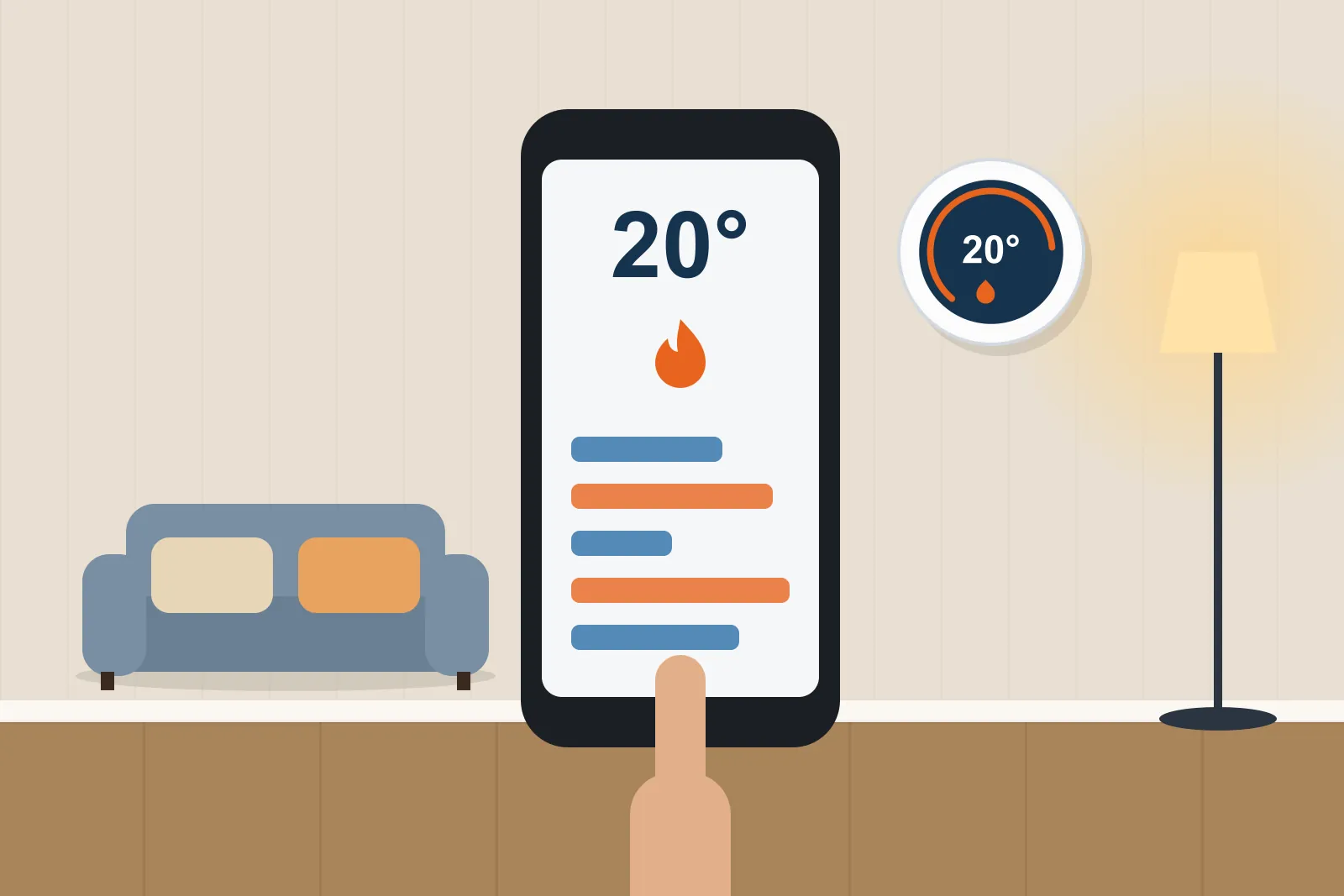
That's why energy advice bodies generally recommend using a timer and thermostat to heat your home only when you need it.
When steadier heating can make sense
There are exceptions where longer, lower heating can be sensible:
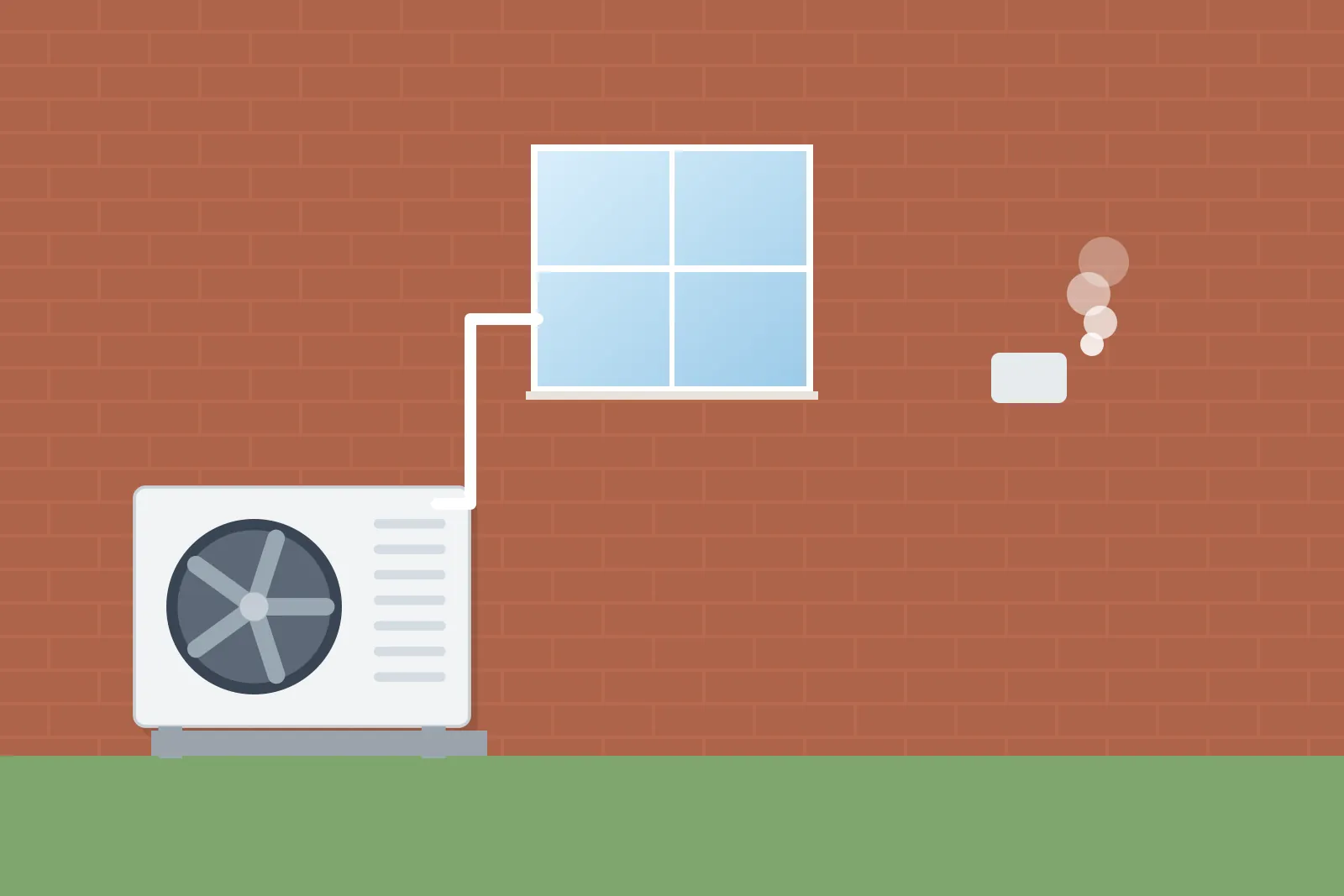
- Homes with heat pumps, which work best running steadily at lower temperatures
- Very well-insulated homes that lose heat slowly
- People at home all day, or who are vulnerable to the cold
- Homes prone to condensation and damp, where steady background heat helps
- Very cold spells, to prevent pipes freezing
Need a heating engineer?
Describe the job and compare free quotes from local heating engineers near you.
- Free to use
- No obligation
- Compare local engineers
- Quick online form
You'll continue to our quotes partner, MyJobQuote, to describe your heating job.
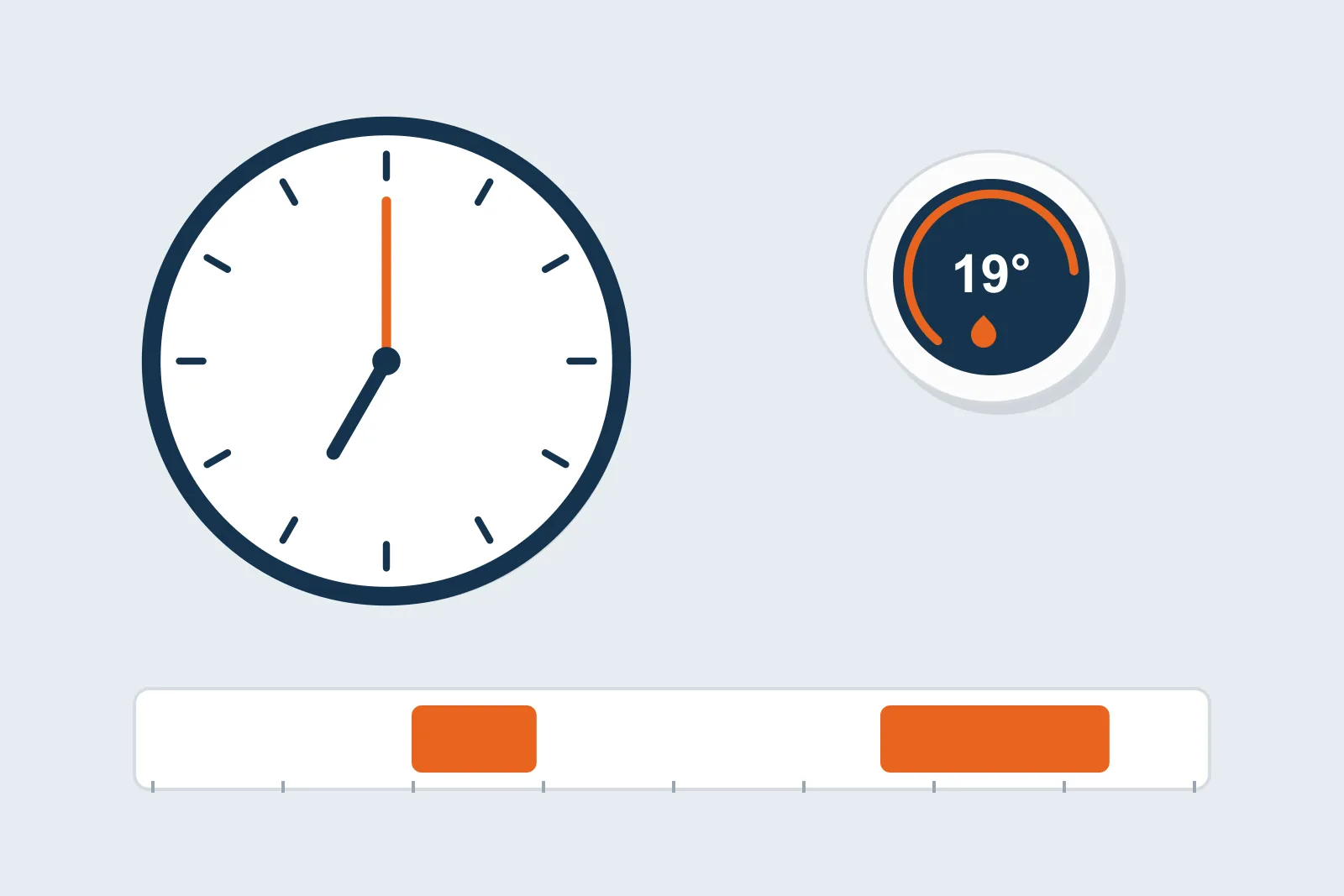
Getting the timing right
Set the heating to come on a little before you get up or come home, and switch off a little before you go to bed or leave. Smart thermostats can learn how long your home takes to warm up and adjust automatically.