How it's done
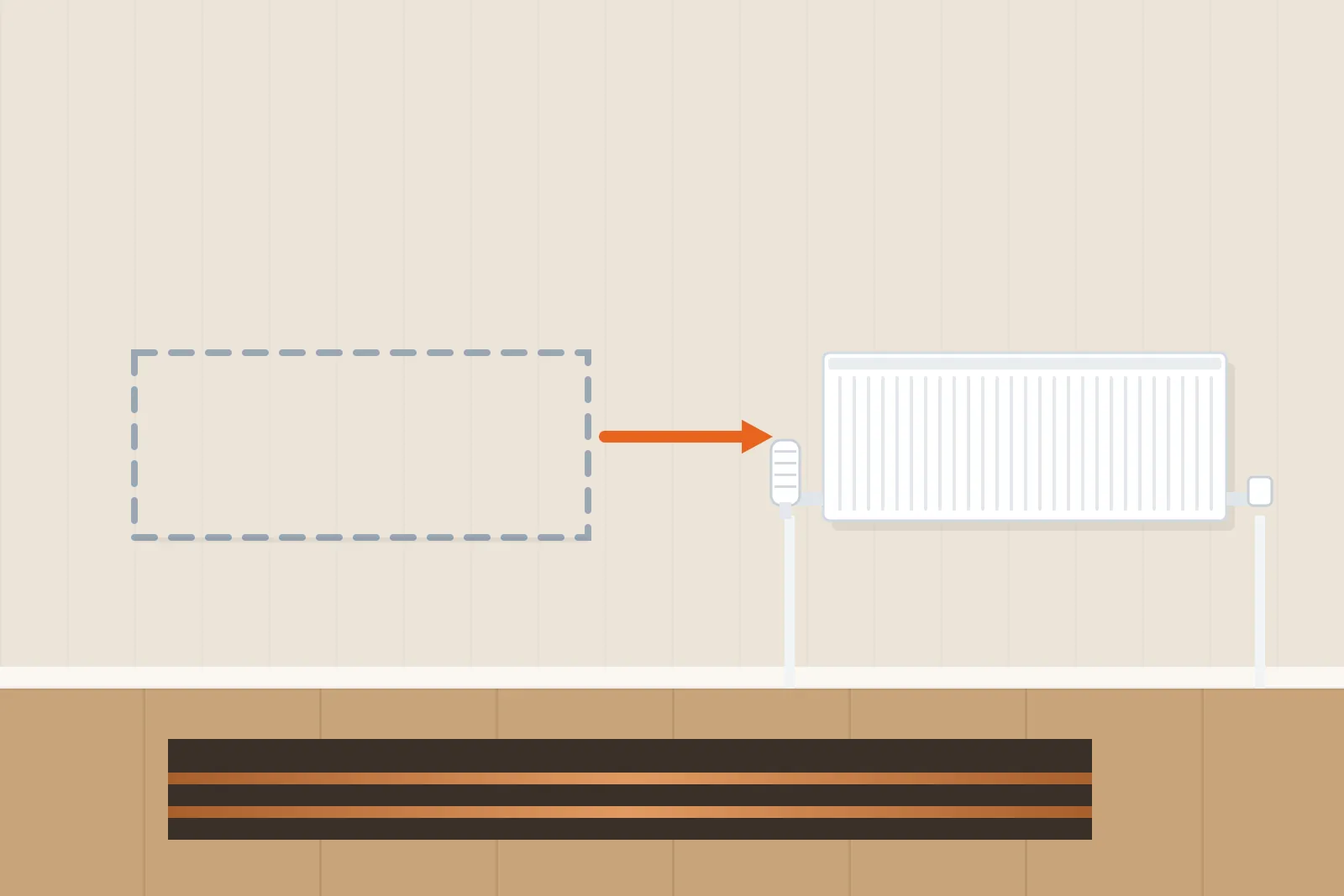
The system is drained, the radiator removed and new pipework run from the old position – or from the nearest flow and return pipes – to the new one. The radiator is refitted, the system refilled and balanced, and the old pipe ends capped off.
What affects the work
The job is quicker or slower depending on:
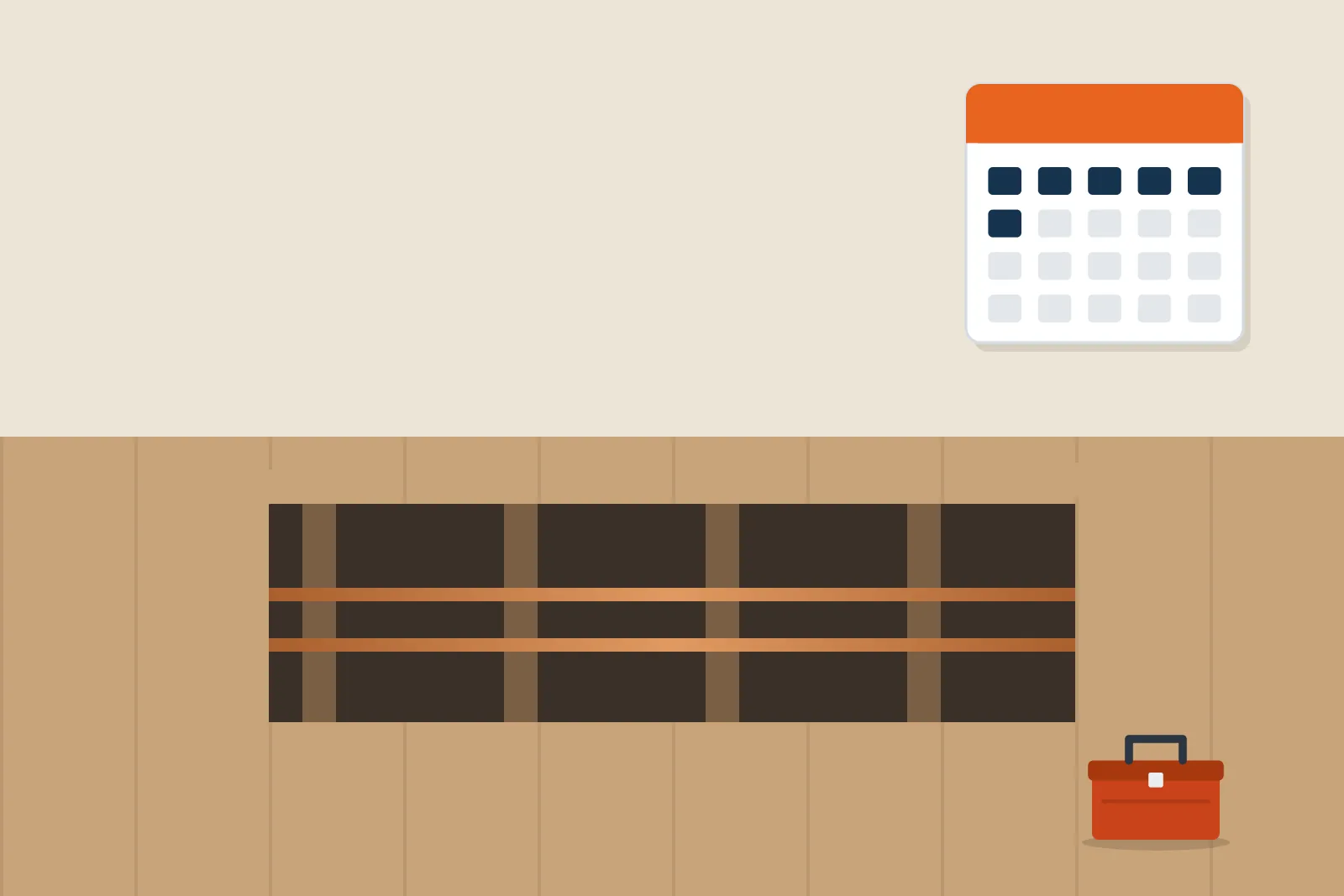
- Timber floors, where boards can be lifted, versus solid floors
- How far the radiator is moving
- Whether pipes can run along skirting or must be hidden
- Making good walls and floors afterwards
Need a heating engineer?
Describe the job and compare free quotes from local heating engineers near you.
- Free to use
- No obligation
- Compare local engineers
- Quick online form
You'll continue to our quotes partner, MyJobQuote, to describe your heating job.
Timing and cost
Moving a radiator during a renovation, before flooring and finishing work, is much easier. As a rough guide, many UK moves cost a few hundred pounds, but prices vary with the work involved.