What balancing means
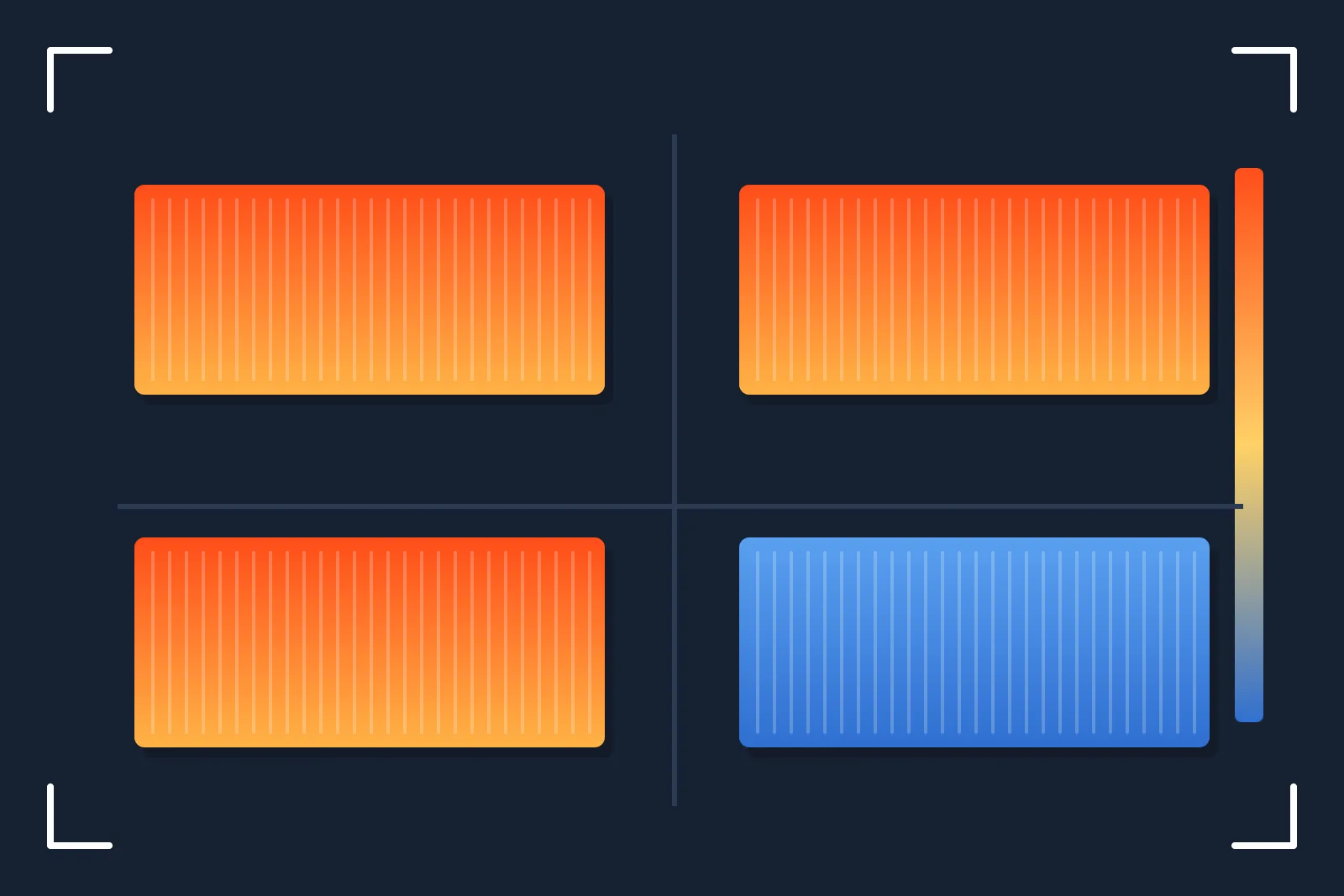
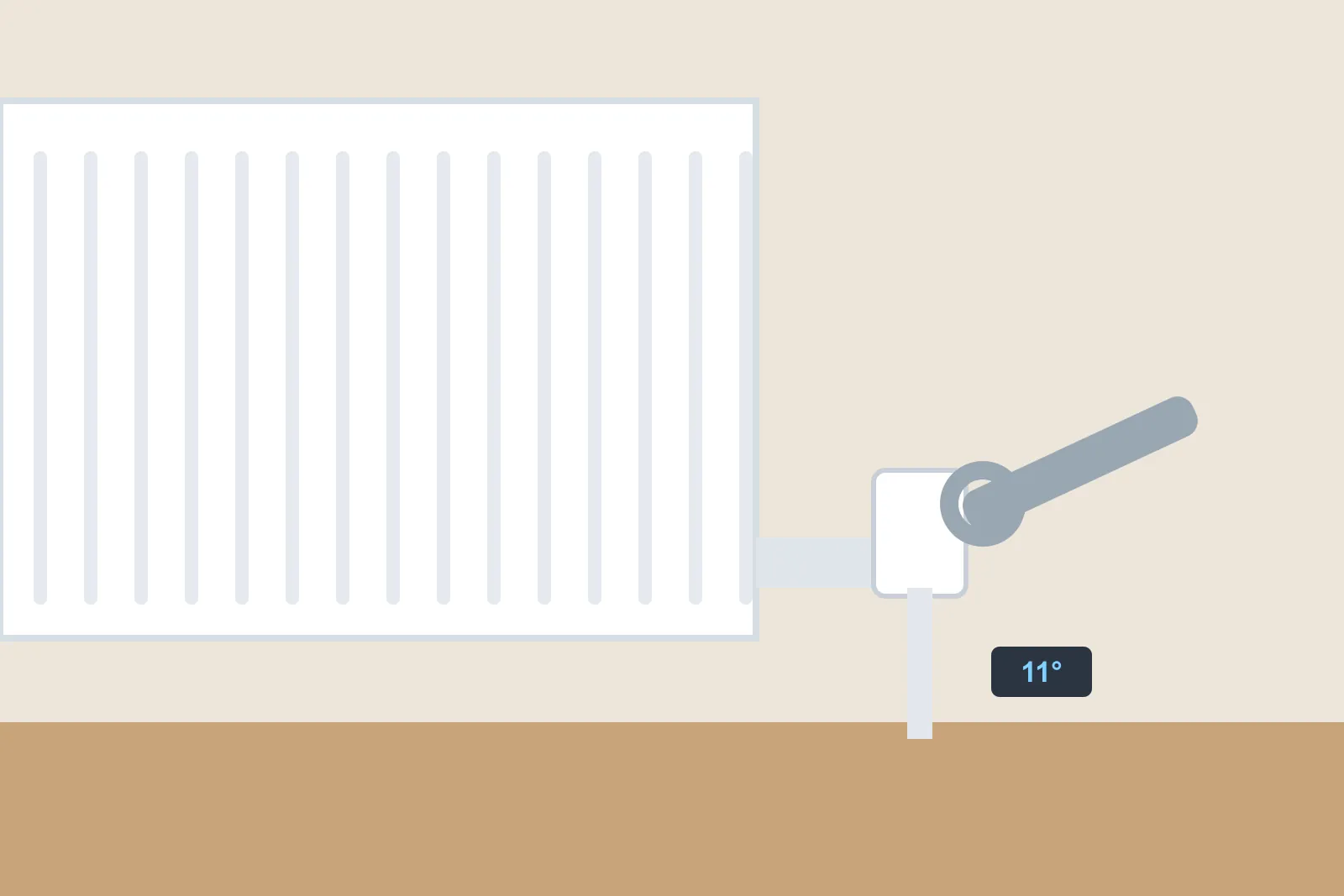
Hot water takes the easiest route. Radiators closest to the boiler tend to get more of it, while those further away get less. Balancing adjusts each radiator's lockshield valve to restrict the flow to the nearer radiators, so the hot water is shared more evenly.
Signs you need it
Your system may need balancing if:
- Some rooms heat much faster than others
- Radiators furthest from the boiler stay lukewarm
- New radiators have been added or moved
- The system has been drained and refilled
Need a heating engineer?
Describe the job and compare free quotes from local heating engineers near you.
- Free to use
- No obligation
- Compare local engineers
- Quick online form
You'll continue to our quotes partner, MyJobQuote, to describe your heating job.
How it's done
Engineers usually open all valves, then measure the temperature of the pipes going into and out of each radiator and adjust the lockshields until each radiator has a similar temperature drop. It's a patient job that's easiest with a pipe thermometer.