Check the controls first
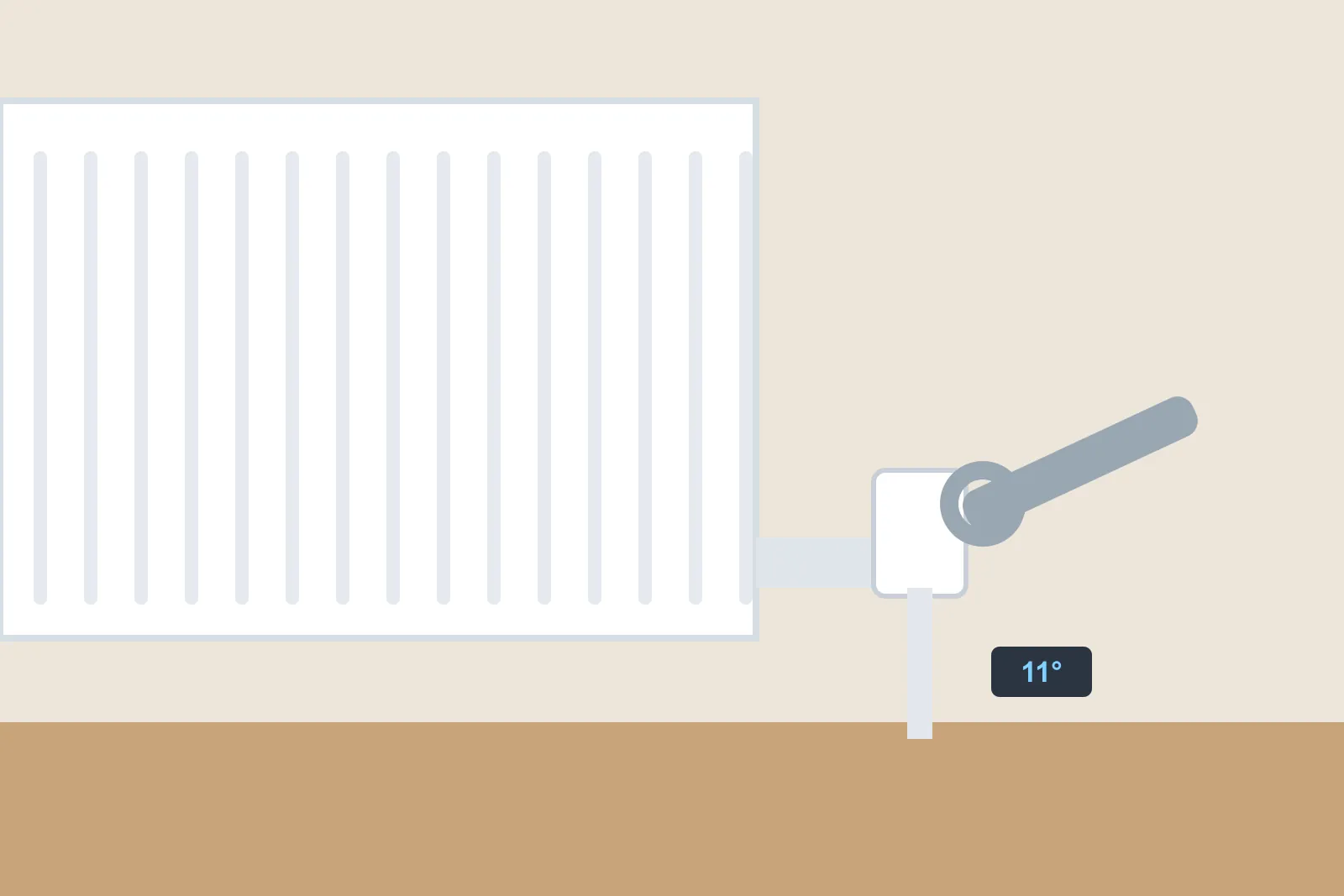
Make sure the programmer is on, the room thermostat is set high enough and radiator valves are open. A thermostat in a warm spot – near a radiator or in sunlight – may switch the heating off before the rest of the house is warm.
Look at the radiators
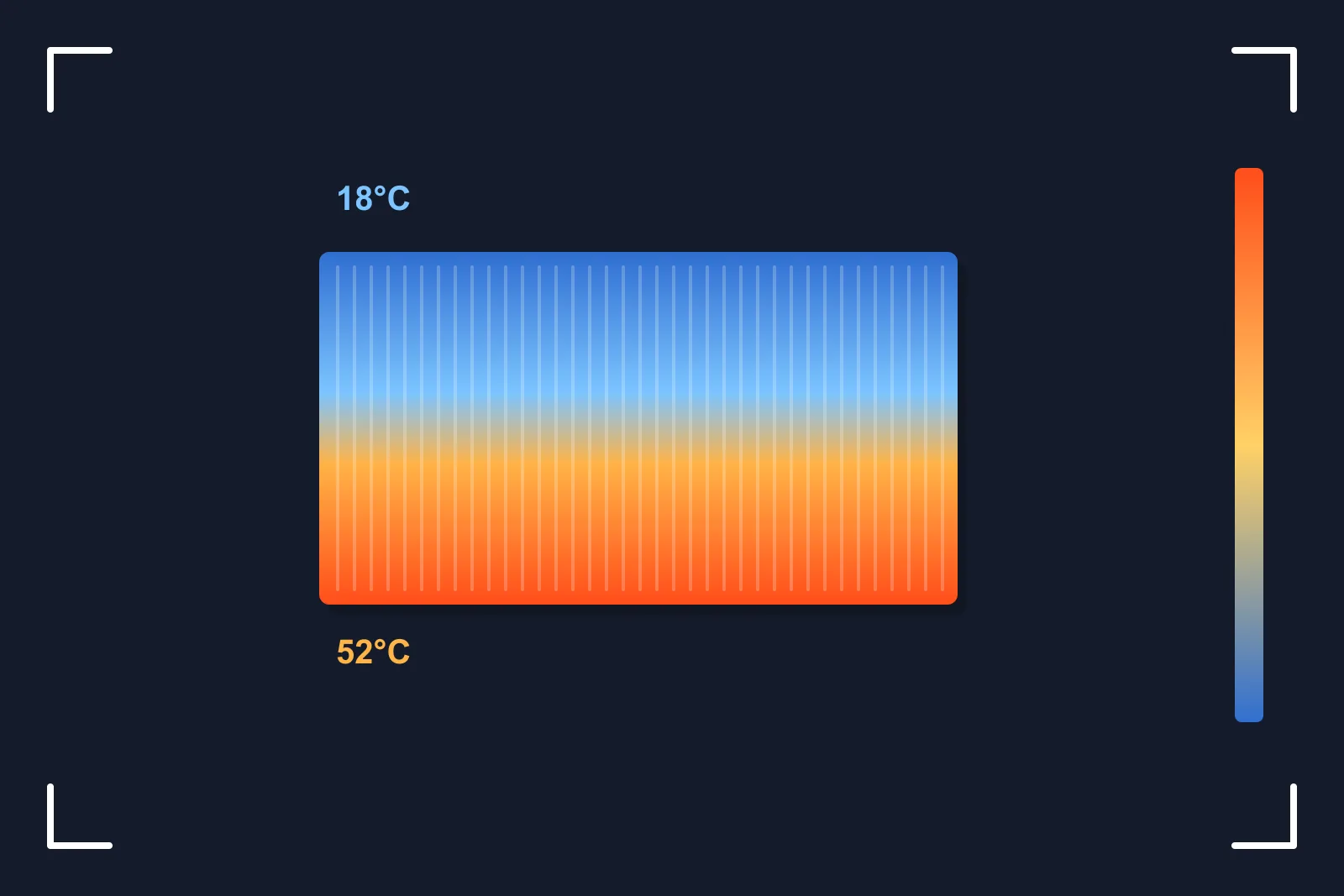
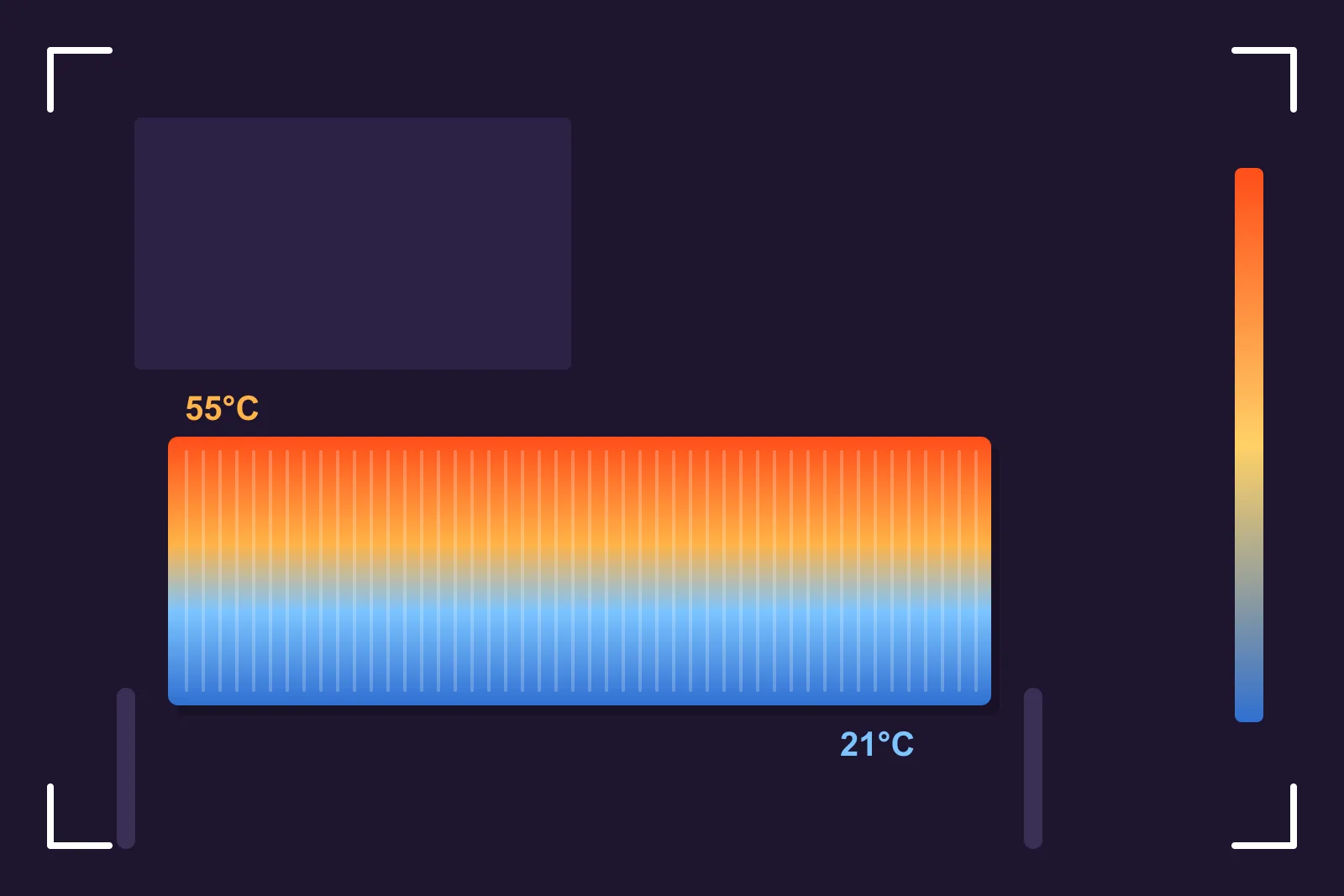
Feel each radiator carefully when the heating has been on a while:
- Cold at the top: likely trapped air – bleed it
- Cold at the bottom: likely sludge – the system may need cleaning
- One radiator cold: possibly a stuck valve or an unbalanced system
- All lukewarm: possibly boiler settings, pump or pressure problems
Need a heating engineer?
Describe the job and compare free quotes from local heating engineers near you.
- Free to use
- No obligation
- Compare local engineers
- Quick online form
You'll continue to our quotes partner, MyJobQuote, to describe your heating job.
Heat loss and radiator size
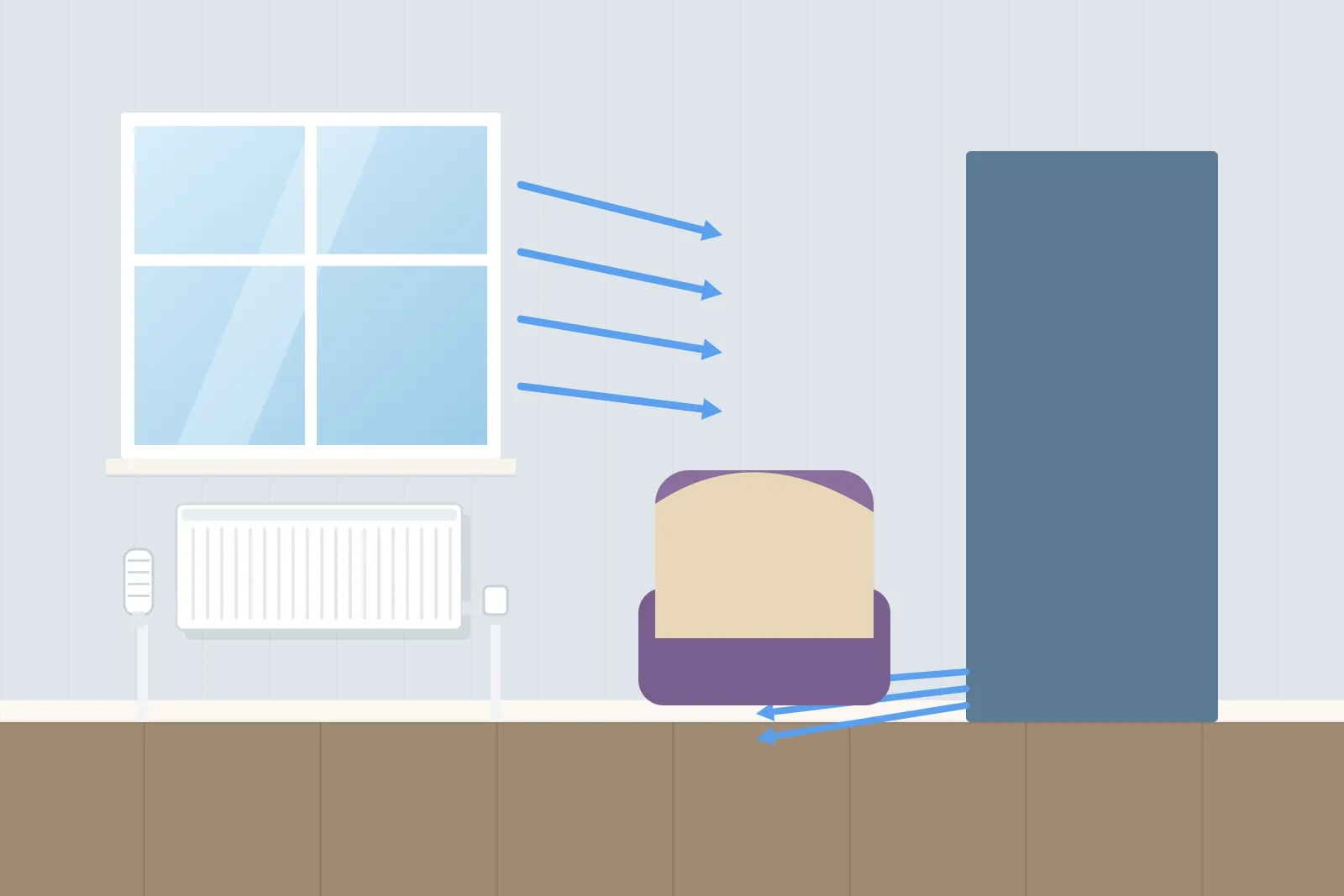
Draughts, single glazing, uninsulated walls and lofts let heat escape faster than radiators can replace it. Radiators that are too small for a room – common after extensions or knock-throughs – may never get it warm on cold days. A heating engineer can calculate whether each radiator is big enough.