What's normal
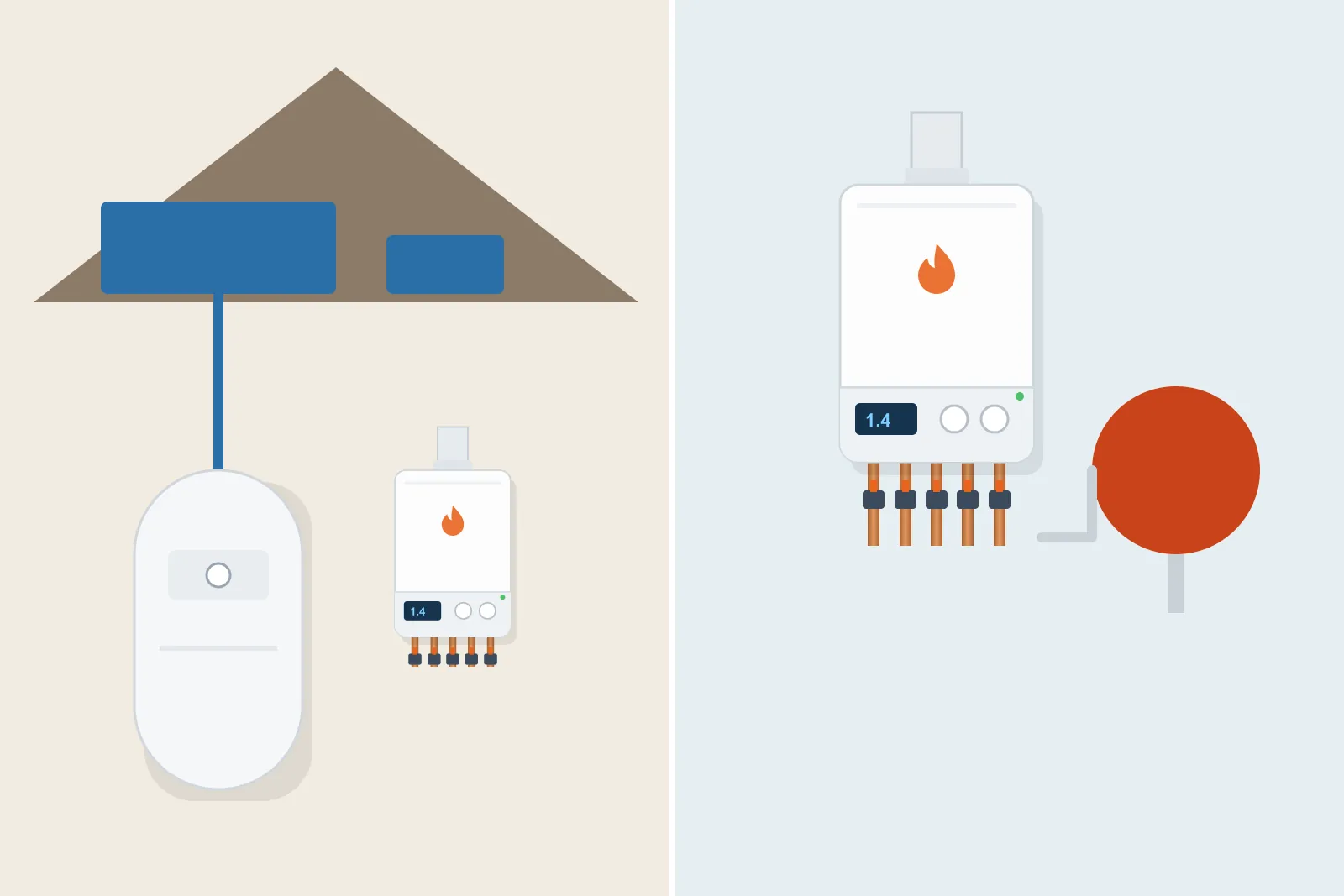
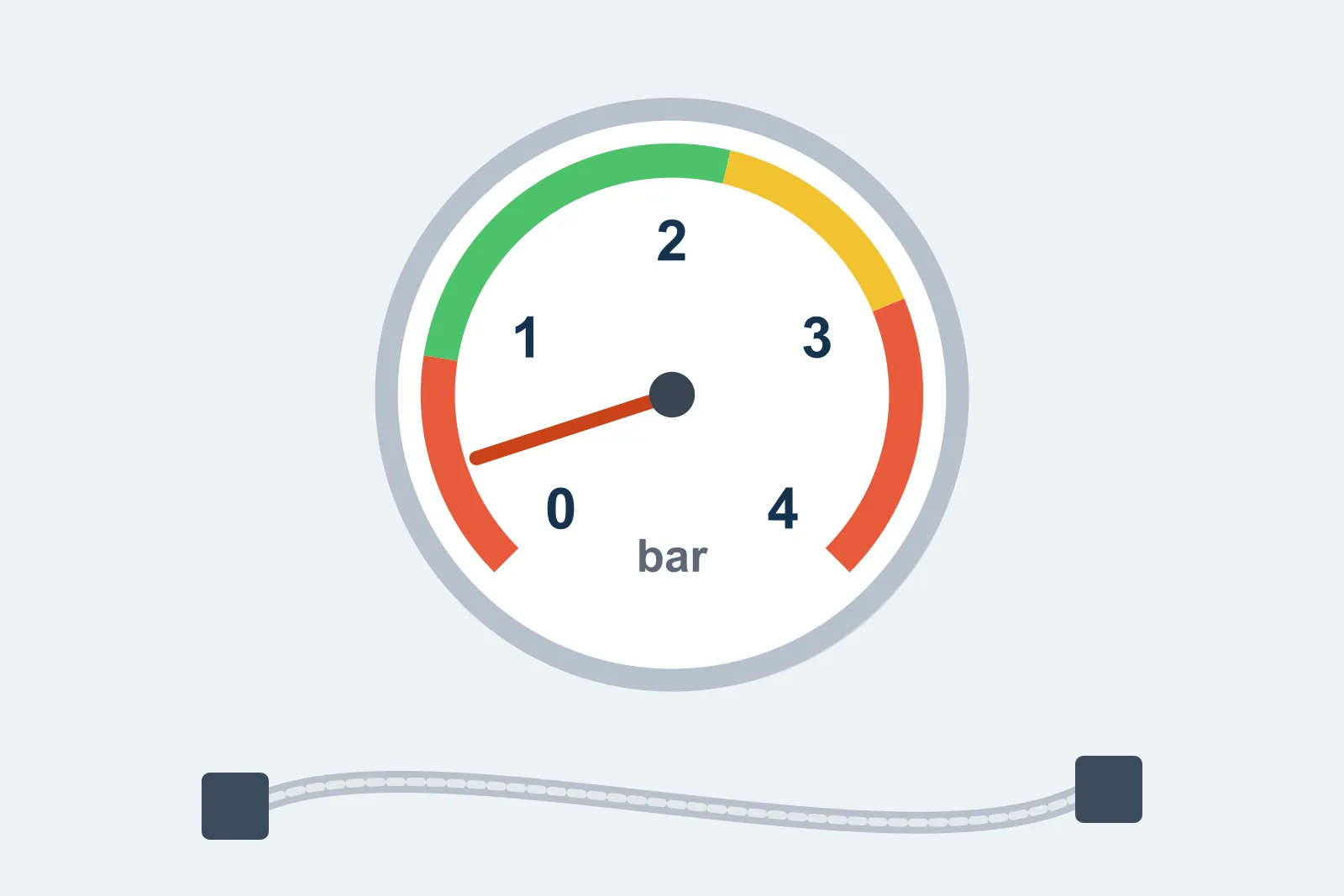
Many boilers are designed to run at around 1 to 1.5 bar when the heating is cold, rising a little when it's hot. Your boiler manual gives the exact range. Many gauges have a green zone showing the normal area.
Low pressure
Pressure can fall because of:
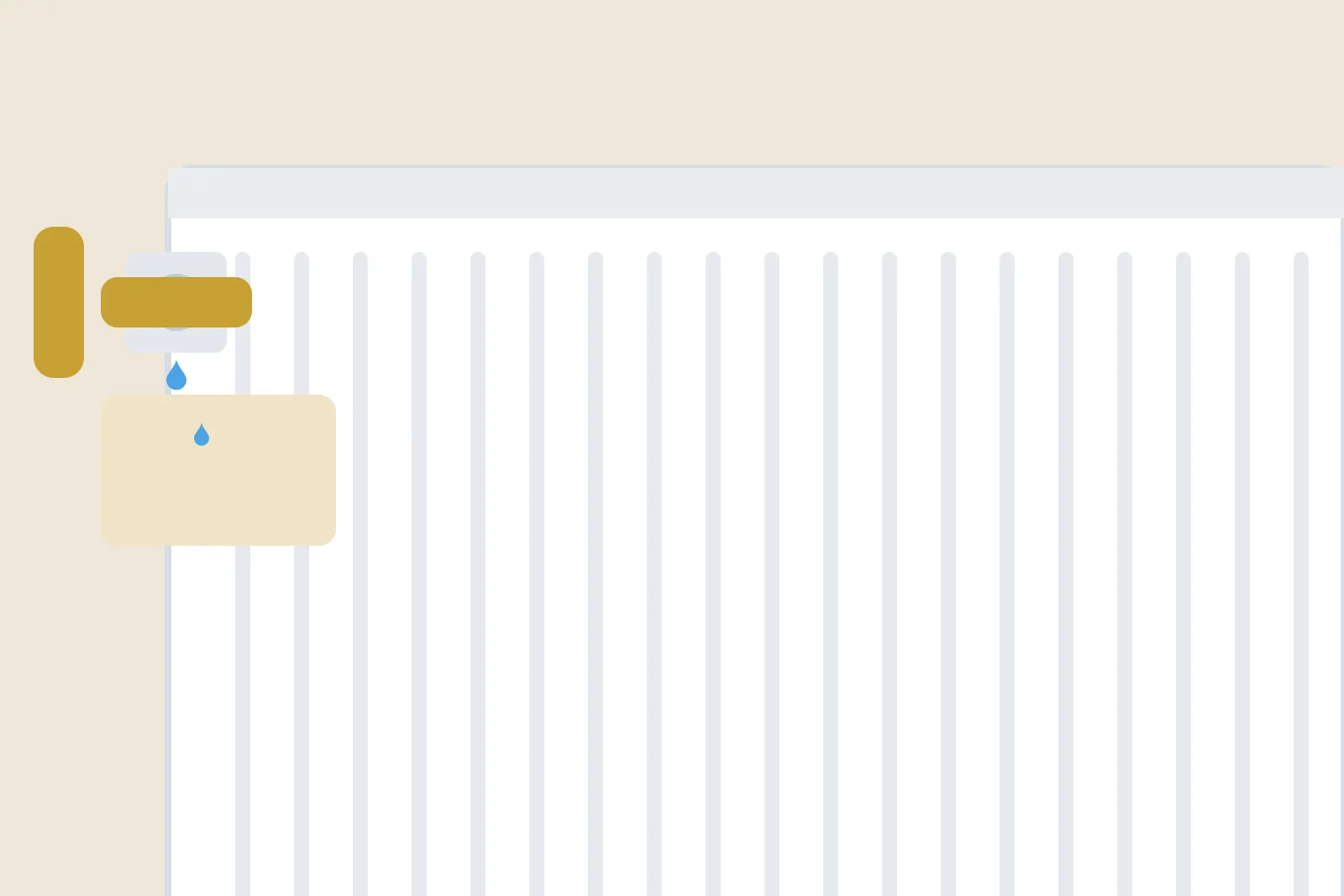
- Bleeding radiators, which lets water out with the air
- A small leak from a radiator, valve or pipe
- A faulty pressure relief valve
- An expansion vessel that has lost its charge
Need a heating engineer?
Describe the job and compare free quotes from local heating engineers near you.
- Free to use
- No obligation
- Compare local engineers
- Quick online form
You'll continue to our quotes partner, MyJobQuote, to describe your heating job.
Topping up and high pressure
Many boilers have a filling loop for topping up the pressure, and the manual explains how to use it. If the pressure drops again within days, there's probably a leak or a faulty part. Pressure that rises too high when hot can point to an expansion vessel problem or a filling loop left open – a Gas Safe registered engineer should check it.