How condensing works
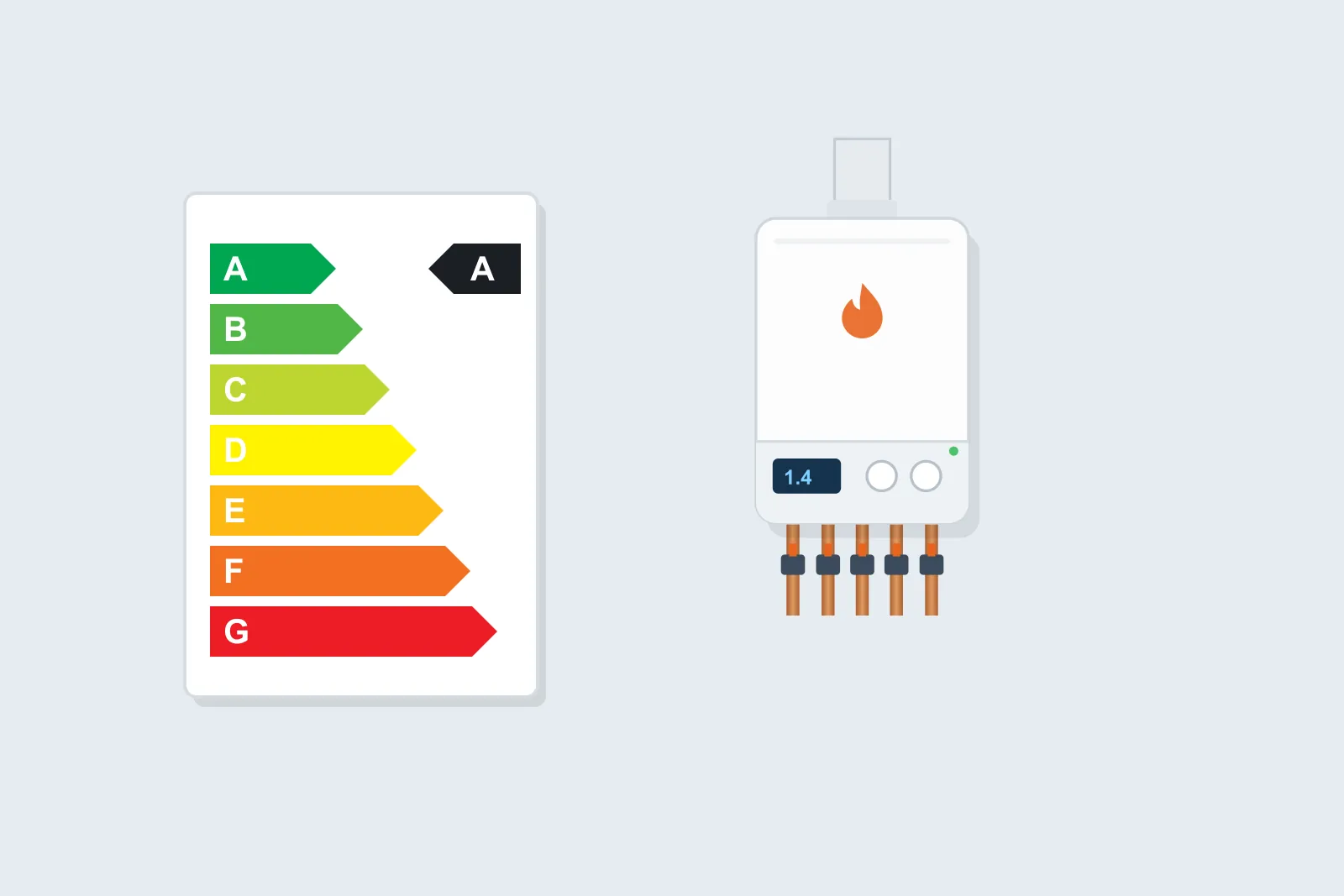
When gas burns, it produces hot gases containing water vapour. Older boilers sent this heat straight out of the flue. A condensing boiler uses a larger heat exchanger to cool the gases enough for the water vapour to condense, recovering heat that would otherwise be lost.
The condensate pipe
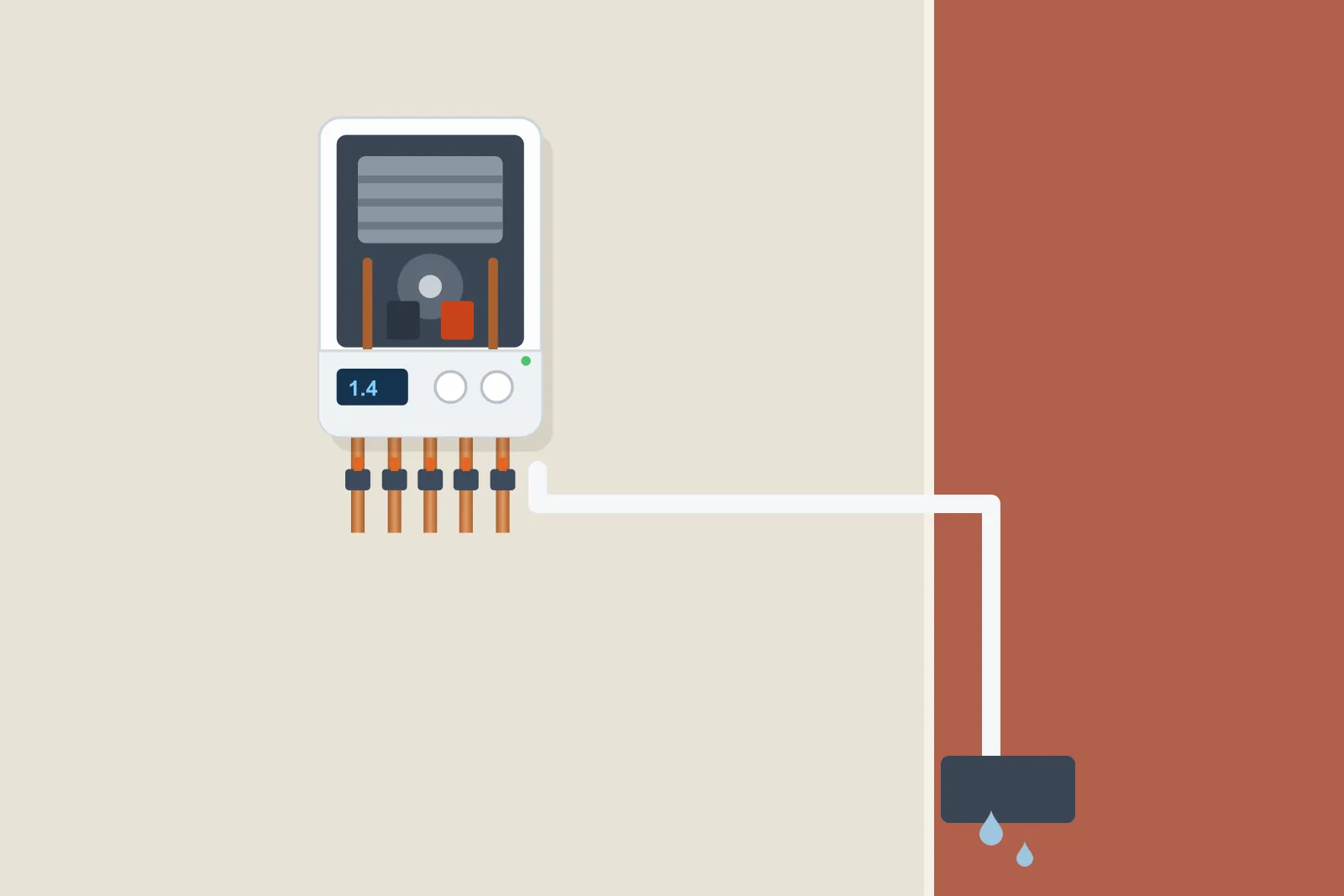
Condensing produces slightly acidic water, which drains through a plastic condensate pipe to a drain. If the pipe runs outside, it can freeze in very cold weather and stop the boiler. Engineers reduce the risk by using wider pipes, insulation or internal routes.
Need a heating engineer?
Describe the job and compare free quotes from local heating engineers near you.
- Free to use
- No obligation
- Compare local engineers
- Quick online form
You'll continue to our quotes partner, MyJobQuote, to describe your heating job.
Getting the most from it
A condensing boiler condenses best when:
- The return water is relatively cool
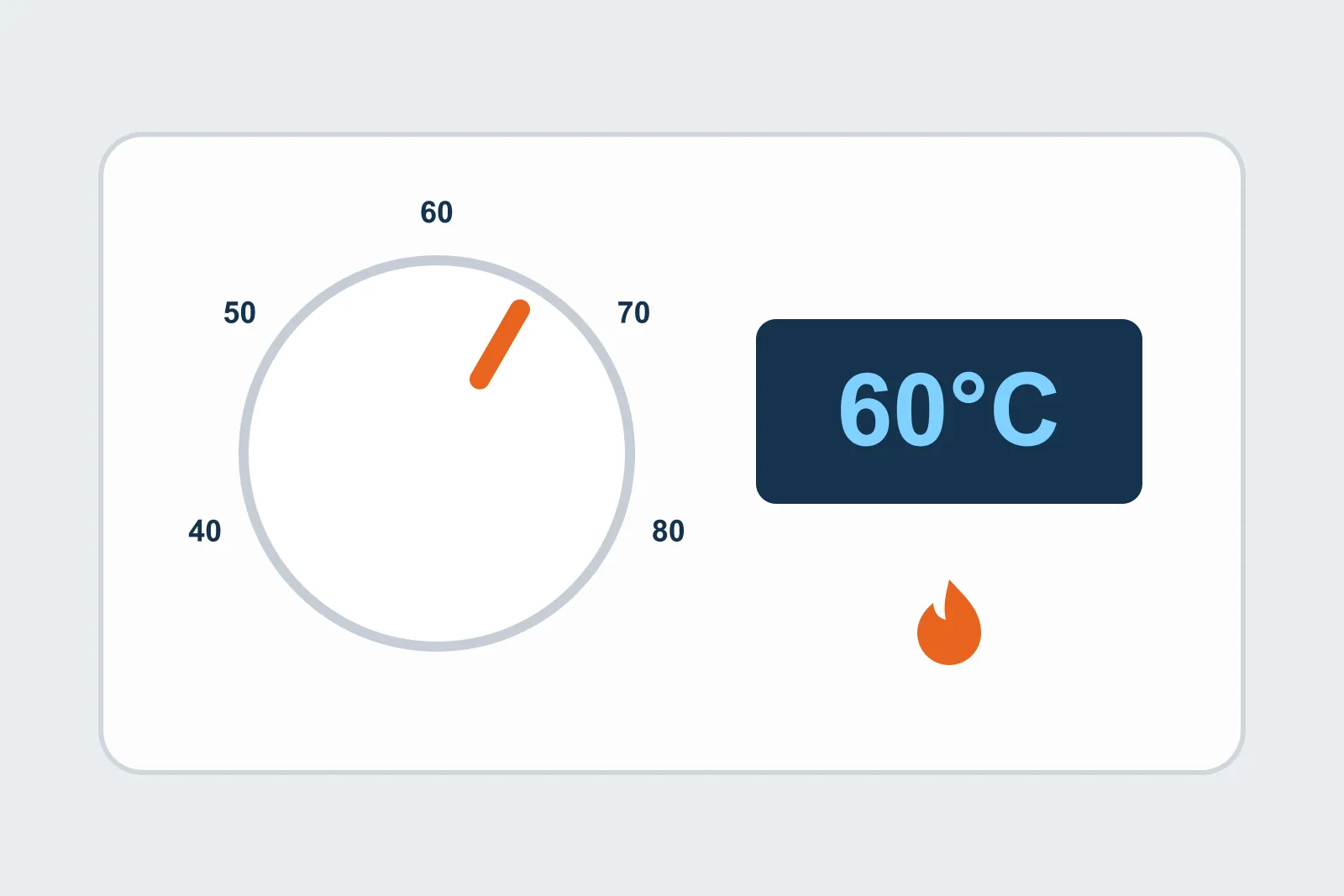
- The flow temperature isn't set unnecessarily high
- Radiators are big enough for the rooms
- The system is clean and balanced