How zoning works
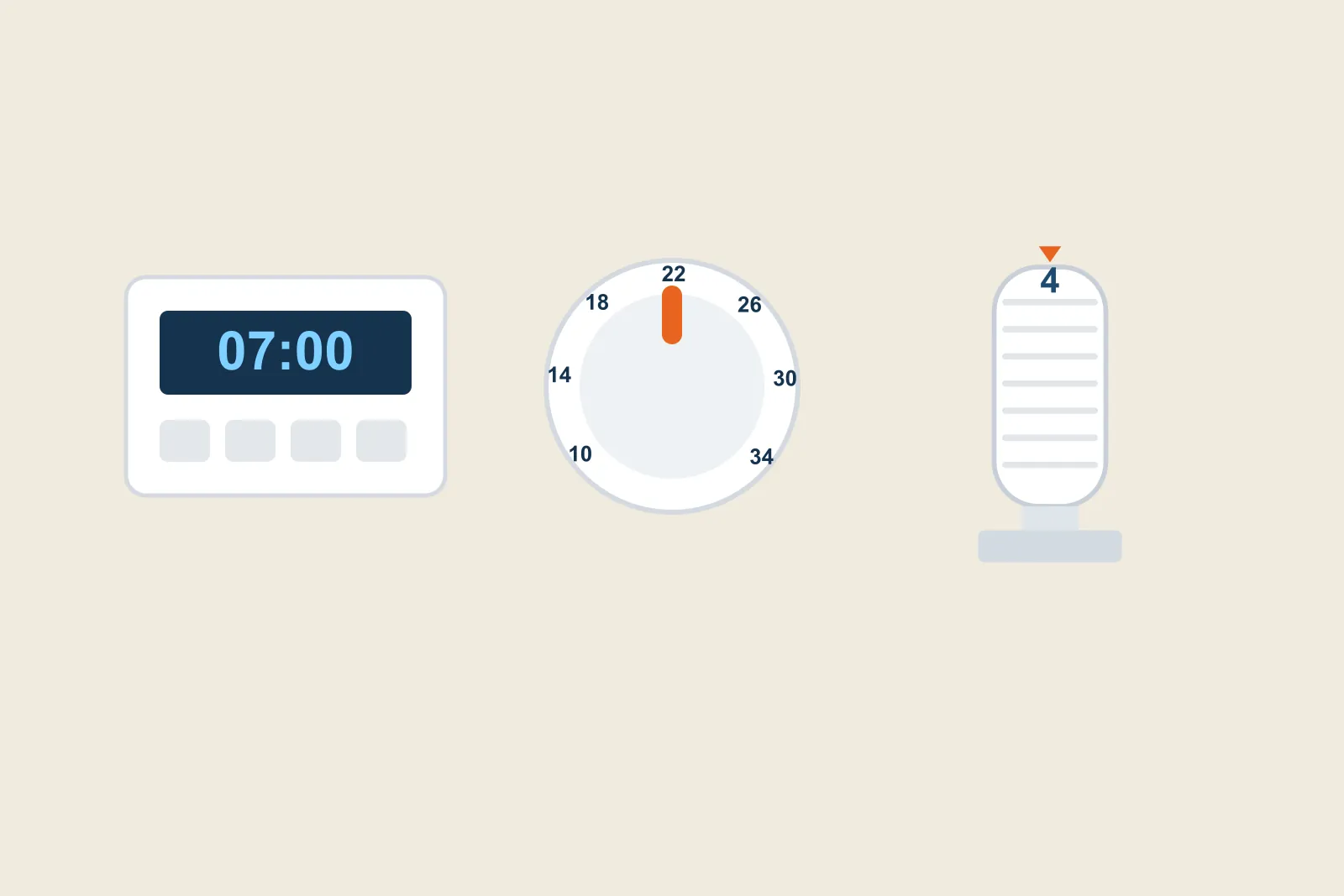
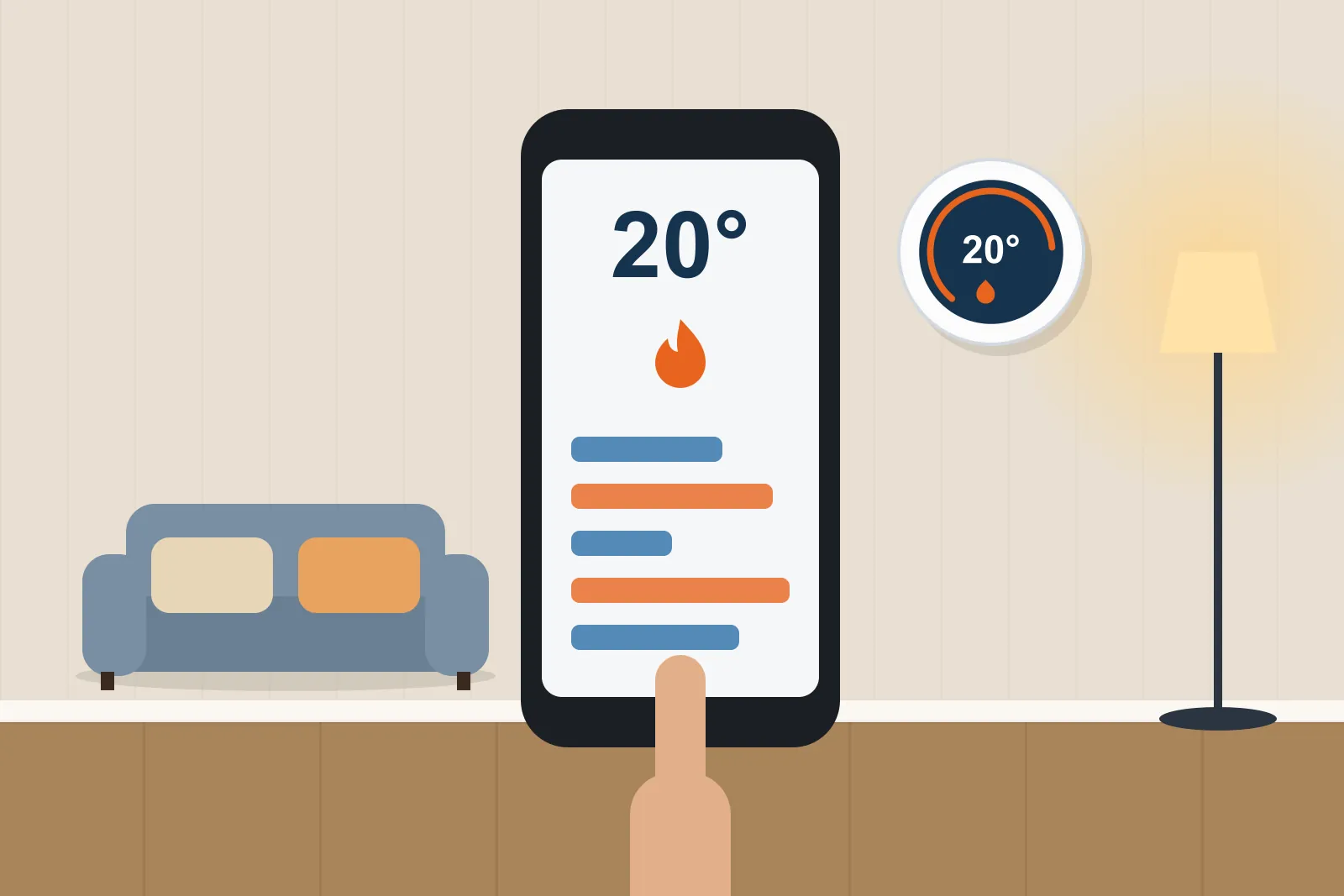
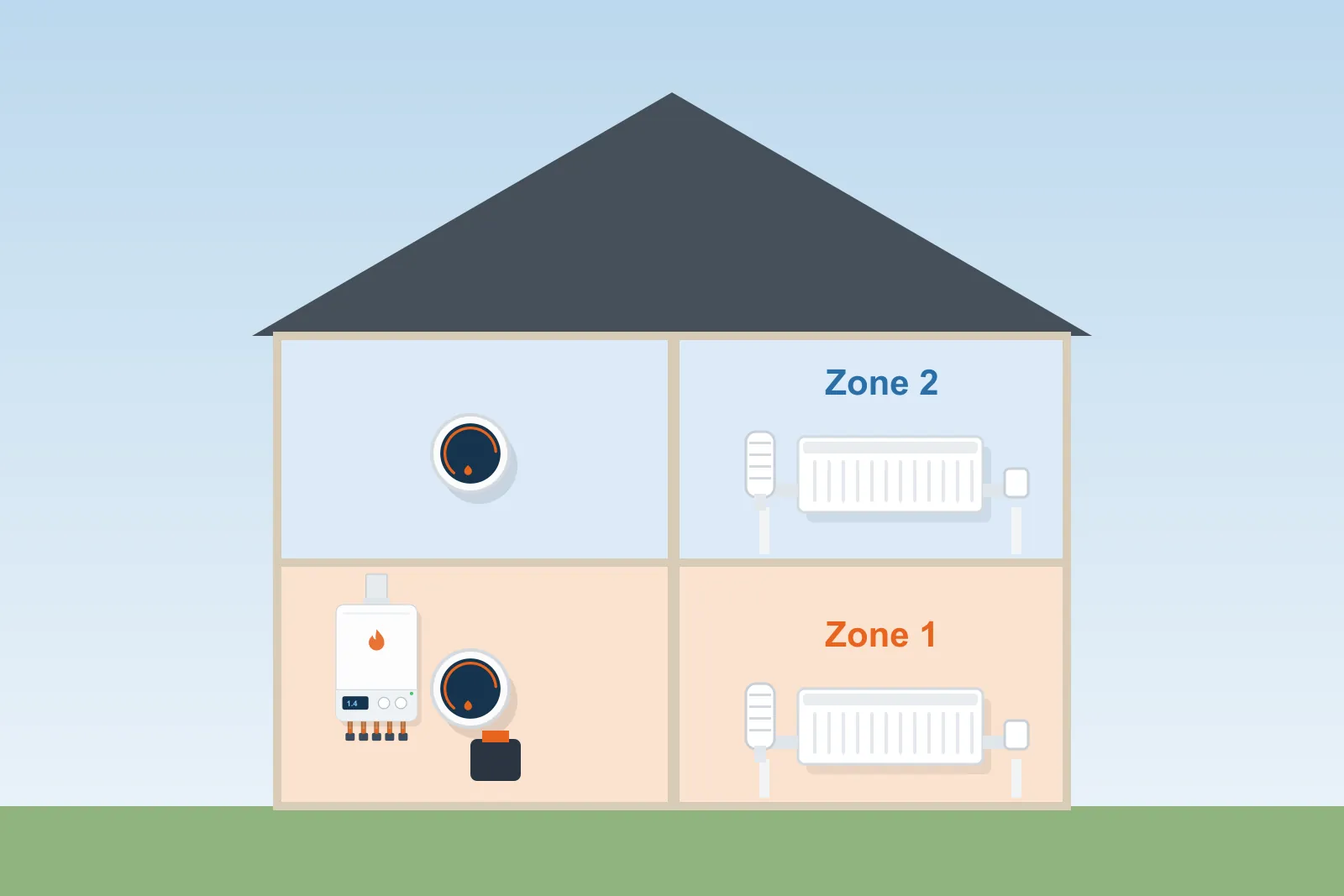
A zoned system uses motorised valves on the heating pipework to send hot water to one part of the house or another. Each zone has its own thermostat, and sometimes its own timer. When a zone is warm enough, its valve closes; when it cools, it opens again.
Homes that benefit
Zoning is most useful in:
- Larger homes, where some areas are used much more than others
- Homes with large extensions, annexes or loft conversions
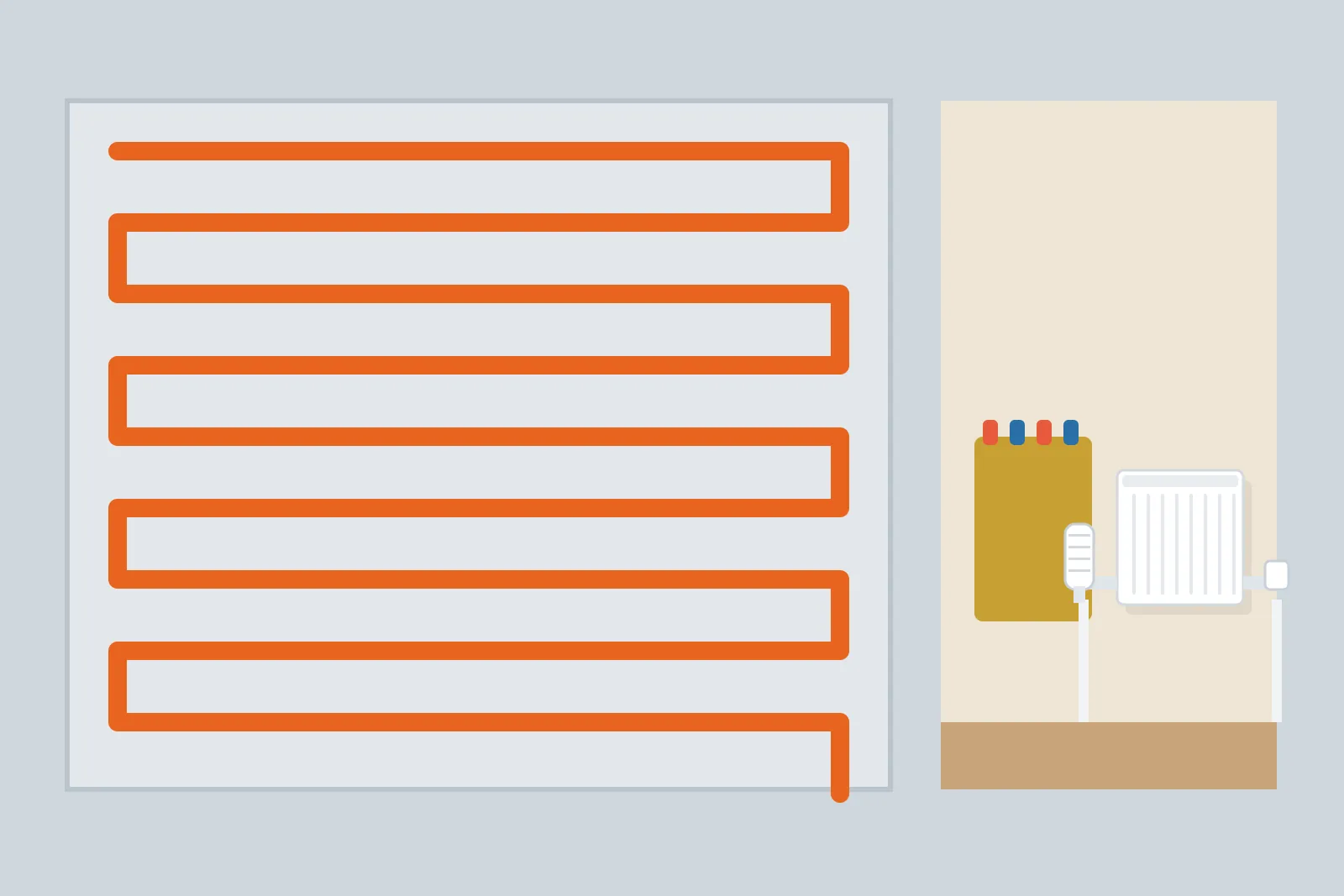
- Homes mixing underfloor heating with radiators
- Households with different routines, such as home workers
Need a heating engineer?
Describe the job and compare free quotes from local heating engineers near you.
- Free to use
- No obligation
- Compare local engineers
- Quick online form
You'll continue to our quotes partner, MyJobQuote, to describe your heating job.
Zones or smart radiator valves?
Smart radiator valves give room-by-room control without changing pipework, which can be simpler in existing homes. True zoning works at the pipework level and suits larger areas. Whether zoning is practical depends on how your pipes are laid out, which an engineer can check.