Watts and BTUs
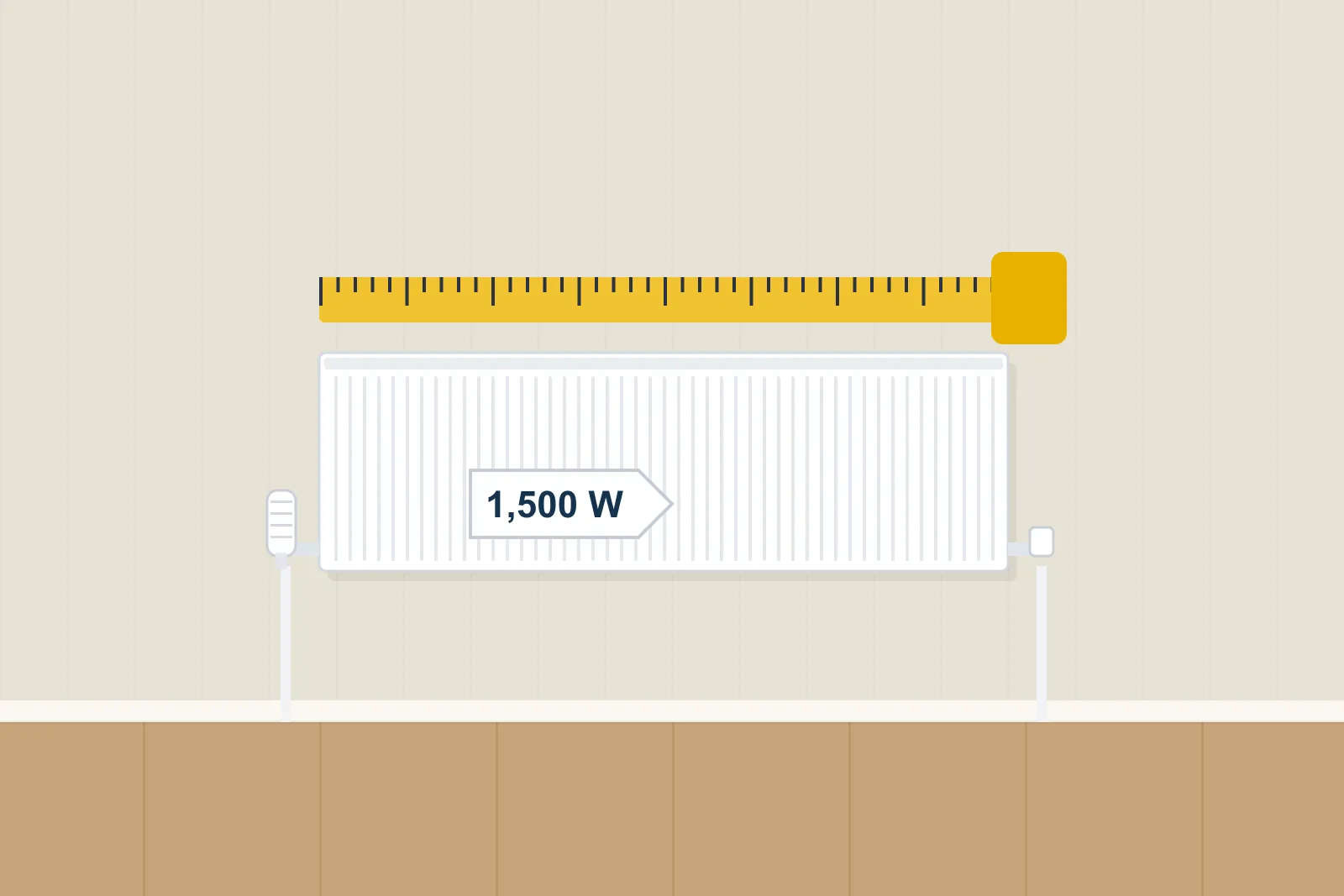
Radiator output is quoted in watts (W) or British Thermal Units per hour (BTU/h). One watt is about 3.41 BTU/h. A higher figure means more heat. Bigger radiators, double panels and extra fins all increase output.
What Delta T means
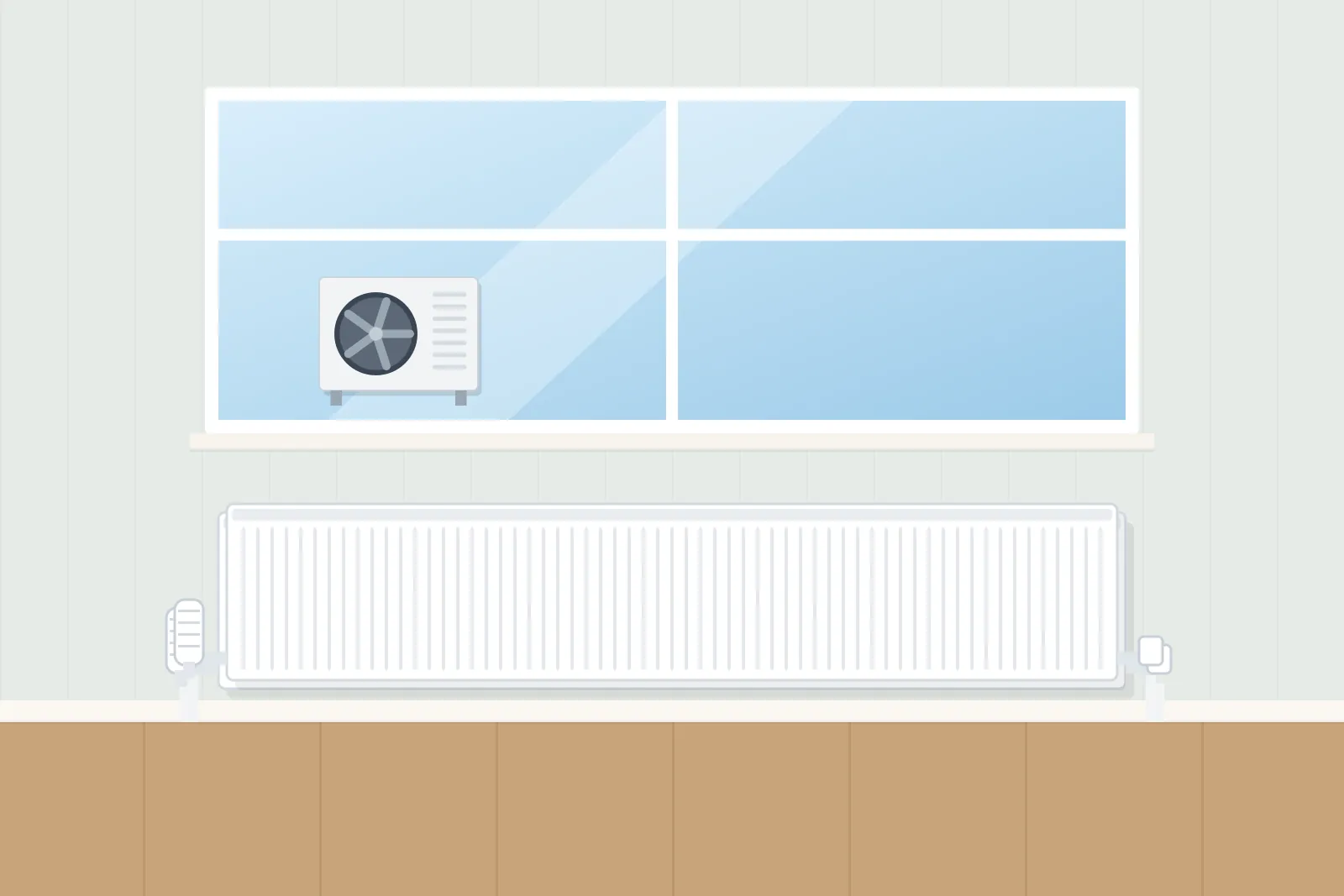
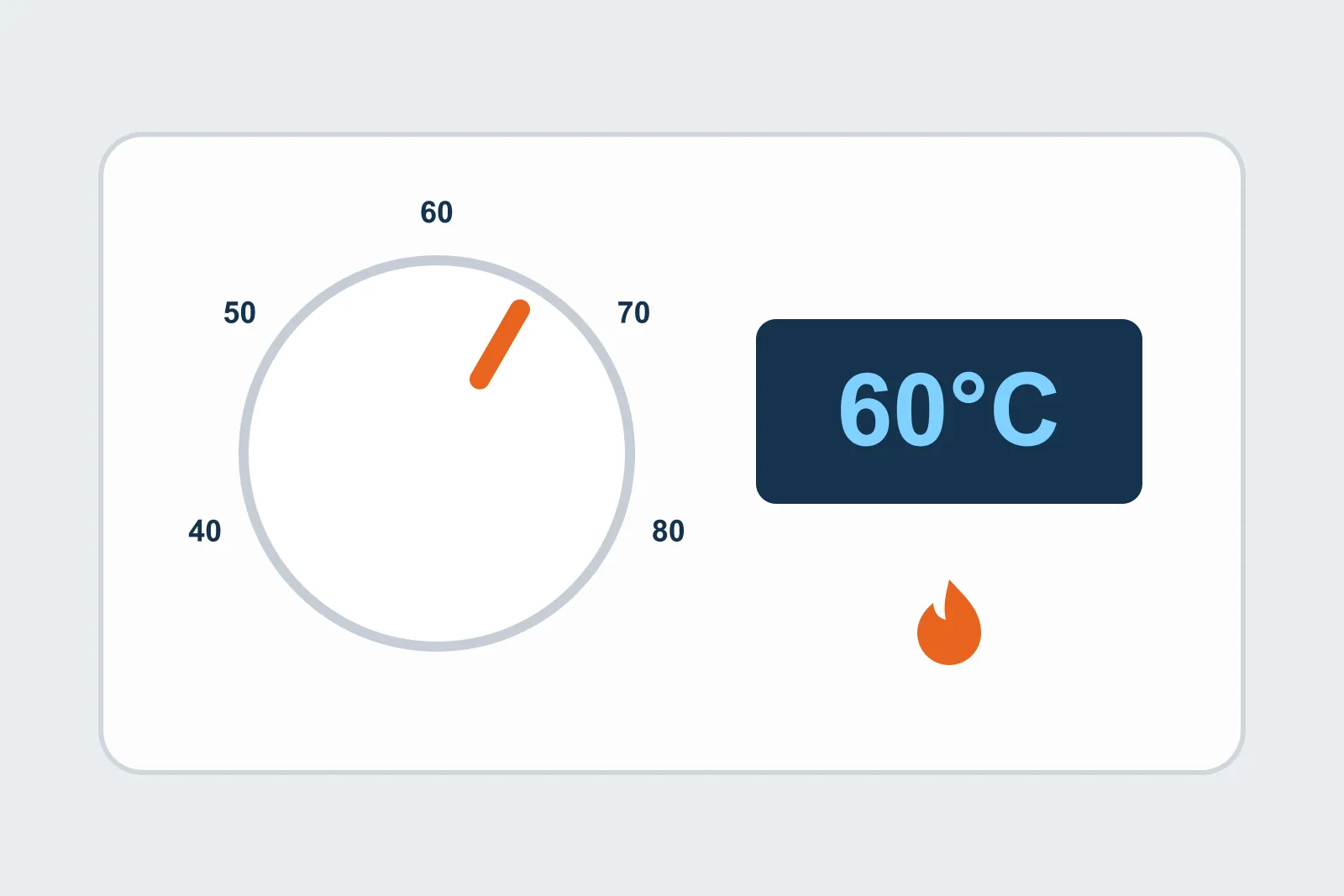
Manufacturers state output at a particular temperature difference between the radiator water and the room, known as Delta T. The figure is usually given at a standard test condition. If your system runs at a lower water temperature – common with condensing boilers set efficiently and with heat pumps – the radiator gives out noticeably less heat than the headline figure.
Need a heating engineer?
Describe the job and compare free quotes from local heating engineers near you.
- Free to use
- No obligation
- Compare local engineers
- Quick online form
You'll continue to our quotes partner, MyJobQuote, to describe your heating job.
Sizing a radiator
The output a room needs depends on:
- Floor area and ceiling height
- Number and size of windows and type of glazing
- Outside walls and their insulation
- Which rooms are above, below and beside
- The temperature you want the room to be