What an expansion vessel is for
Water expands when it's heated. In a sealed heating system – the type used with combi and system boilers – there's nowhere for that extra volume to go, so pressure would rise sharply every time the heating came on. The expansion vessel absorbs it.
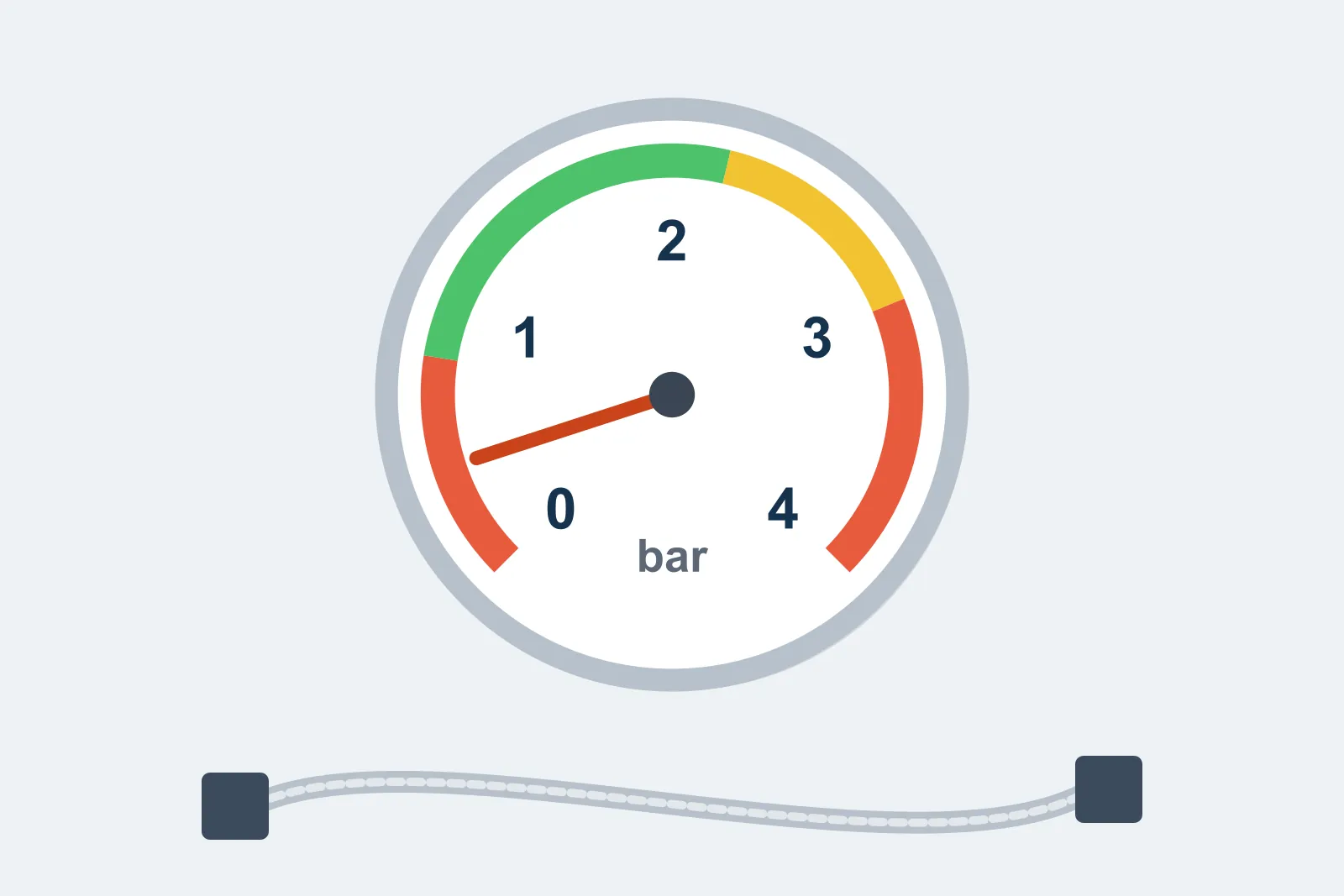
Inside the vessel, a rubber diaphragm separates the system water from a cushion of air or nitrogen at a set pressure. As the water heats and expands, it pushes against the diaphragm and compresses the air. When the water cools, the air pushes it back. That keeps system pressure in a sensible range, typically 1–1.5 bar cold and up to around 2 bar hot.
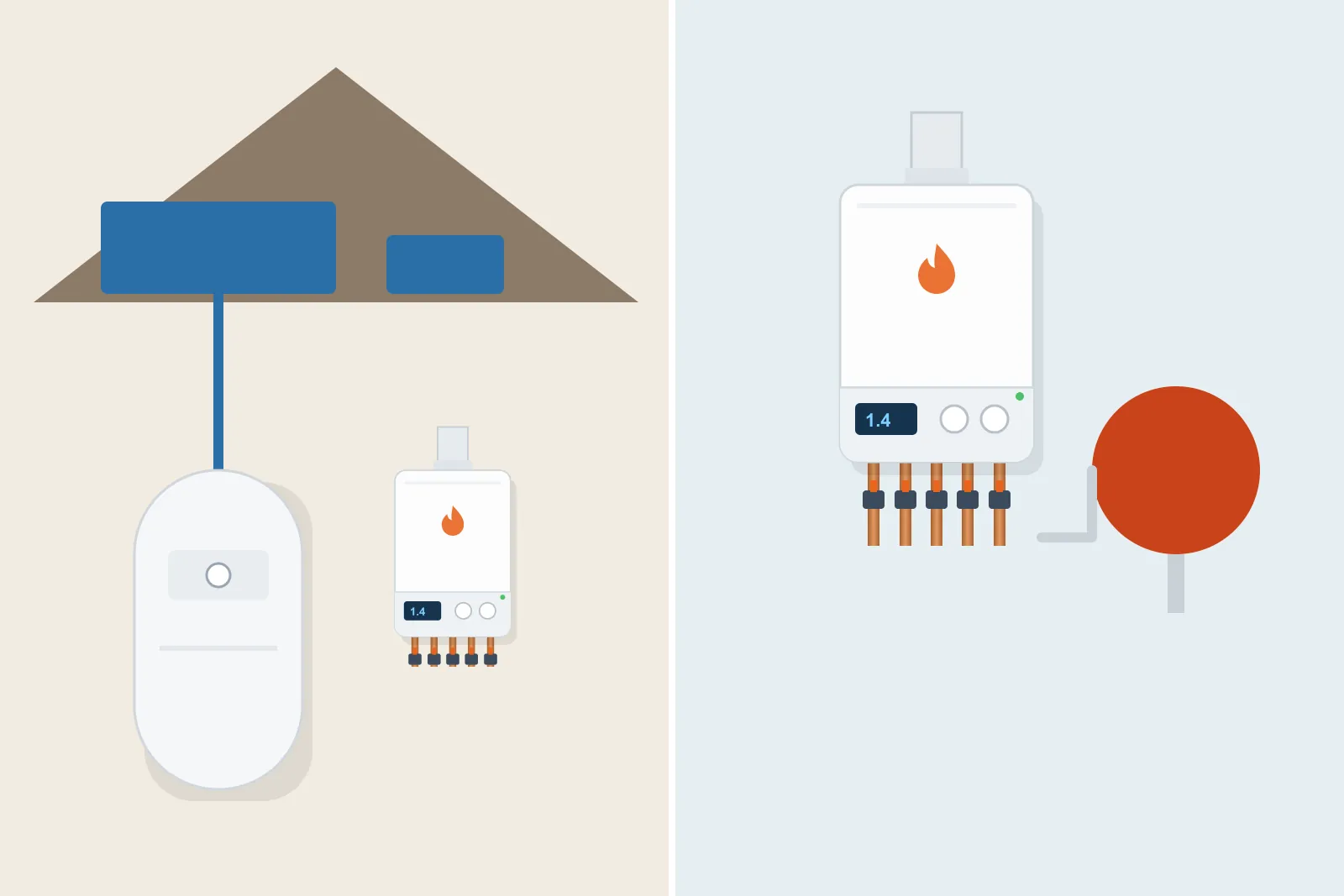
In most combi boilers, the vessel sits inside the casing. System boilers and larger systems may have a separate red vessel on the wall. Open-vented systems don't need one – the tank in the loft does the same job. See open-vented vs sealed heating systems.
Signs the expansion vessel has failed
The most common cause is that the air charge in the vessel has slowly leaked away, so it can no longer absorb expansion. Less often, the internal diaphragm splits. See boiler pressure explained and boiler fault codes.
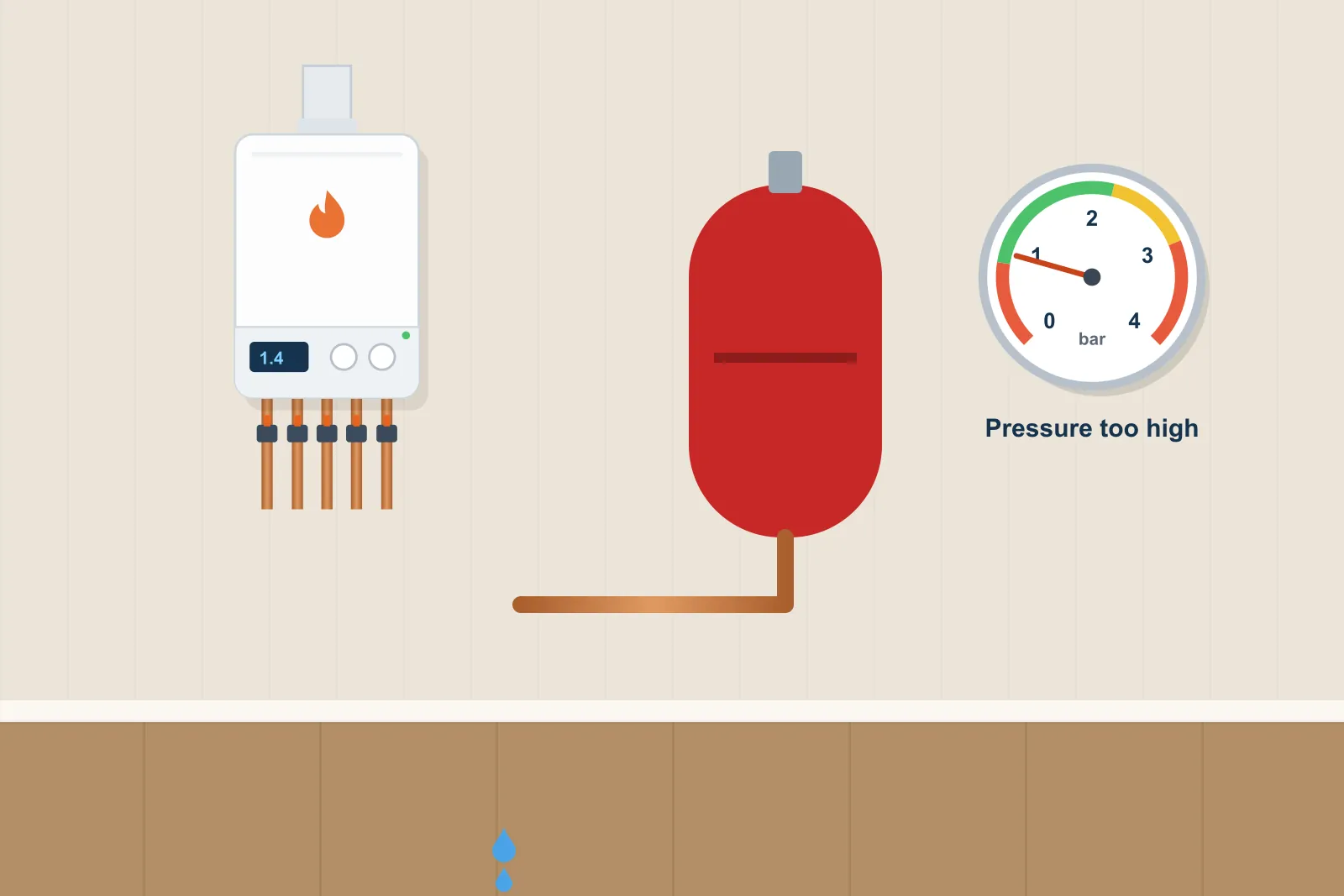
- Pressure rises well above 2.5 bar when the heating is on
- Pressure then drops low when the system cools
- You keep having to top up the pressure
- Water drips from the copper pressure relief pipe outside
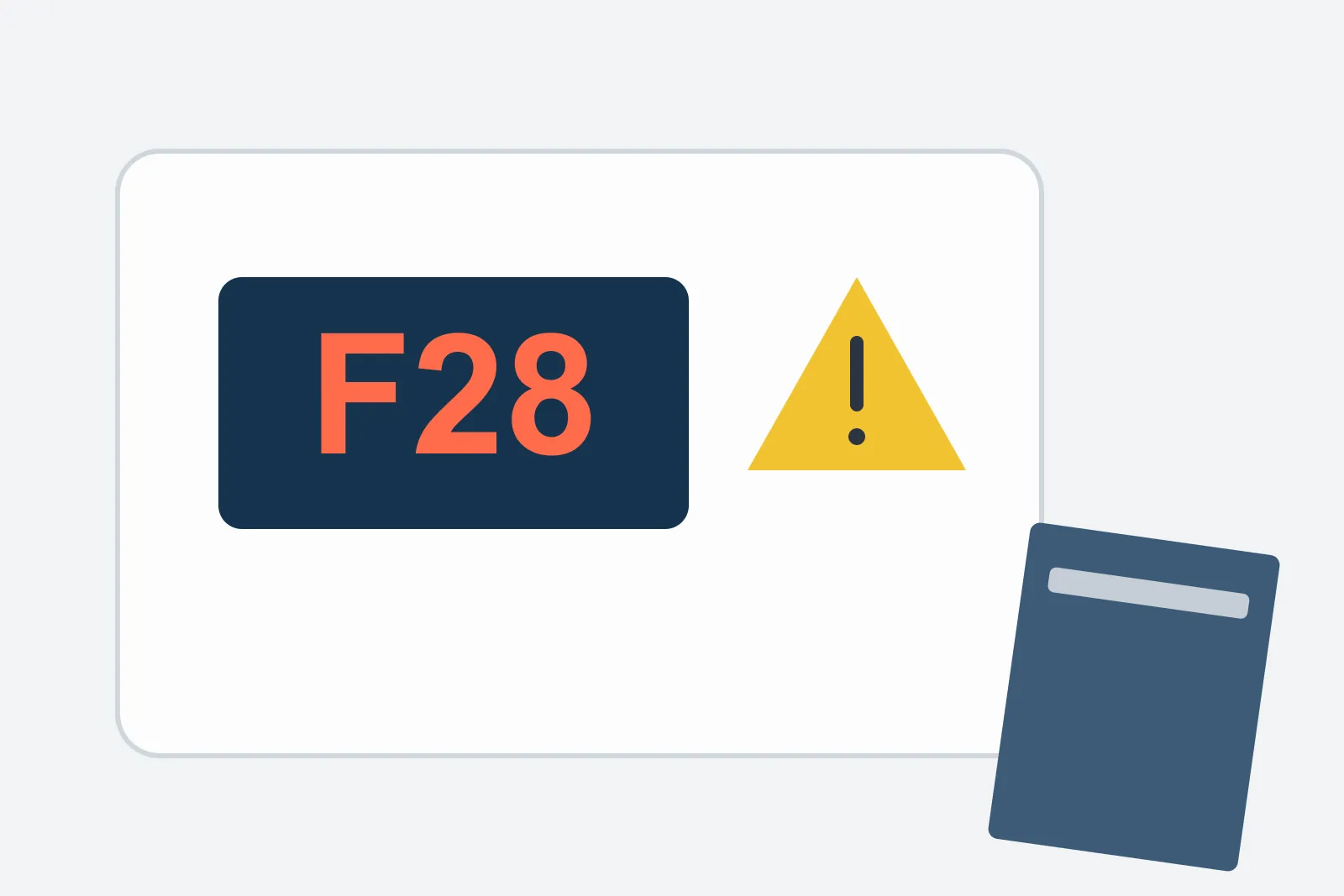
- The boiler locks out with a pressure fault code
Re-charging vs replacing
If the air charge has dropped, an engineer can usually re-pressurise the vessel. They'll isolate and drain the boiler side, check the charge with a gauge at the Schrader valve, pump it back up to the manufacturer's figure (often around 0.75–1 bar), then refill the system. This is often a quick fix.
If water comes out of the air valve, the diaphragm has failed and the vessel needs replacing. Inside a combi boiler, that can be a bigger job because of access. Some engineers fit an external vessel instead, which can be cheaper and easier to service later.
Need a heating engineer?
Describe the job and compare free quotes from local heating engineers near you.
Free and no obligation. Quote requests are handled by our partner, Bark.
The pressure relief valve
When pressure gets too high, the pressure relief valve opens at around 3 bar to protect the system, discharging water through the copper pipe outside. After it has opened a few times, debris can stop it sealing properly and it may keep dripping. An engineer will usually check or replace the valve at the same time as fixing the vessel.
Typical costs
Many engineers check the vessel charge at the annual service. See boiler servicing explained, or book a Gas Safe engineer if pressure is behaving oddly.
| Job | Typical cost |
|---|---|
| Re-charge expansion vessel | £80 – £150 |
| Replace internal vessel (combi) | £200 – £400 |
| Fit an external expansion vessel | £150 – £300 |
| Replace pressure relief valve | £100 – £200 |
Indicative expansion vessel repair costs (2026)