Why condensation happens
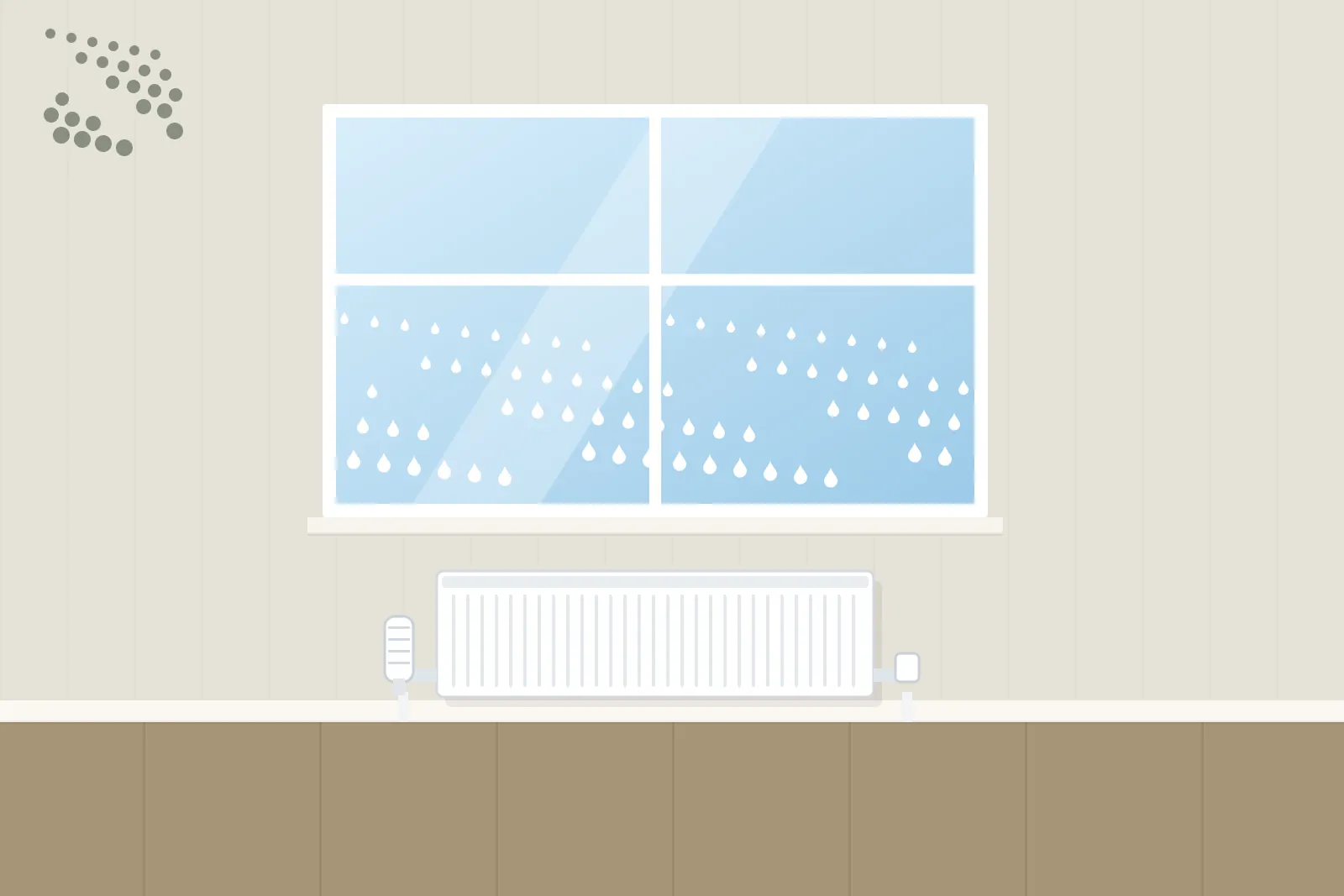
Cooking, showering, drying clothes and even breathing add moisture to the air. When that air touches a cold window or wall, the moisture condenses into water. Over time, damp surfaces can grow black mould, especially in corners and behind furniture.
Heating and ventilation together
Both are needed to tackle it:
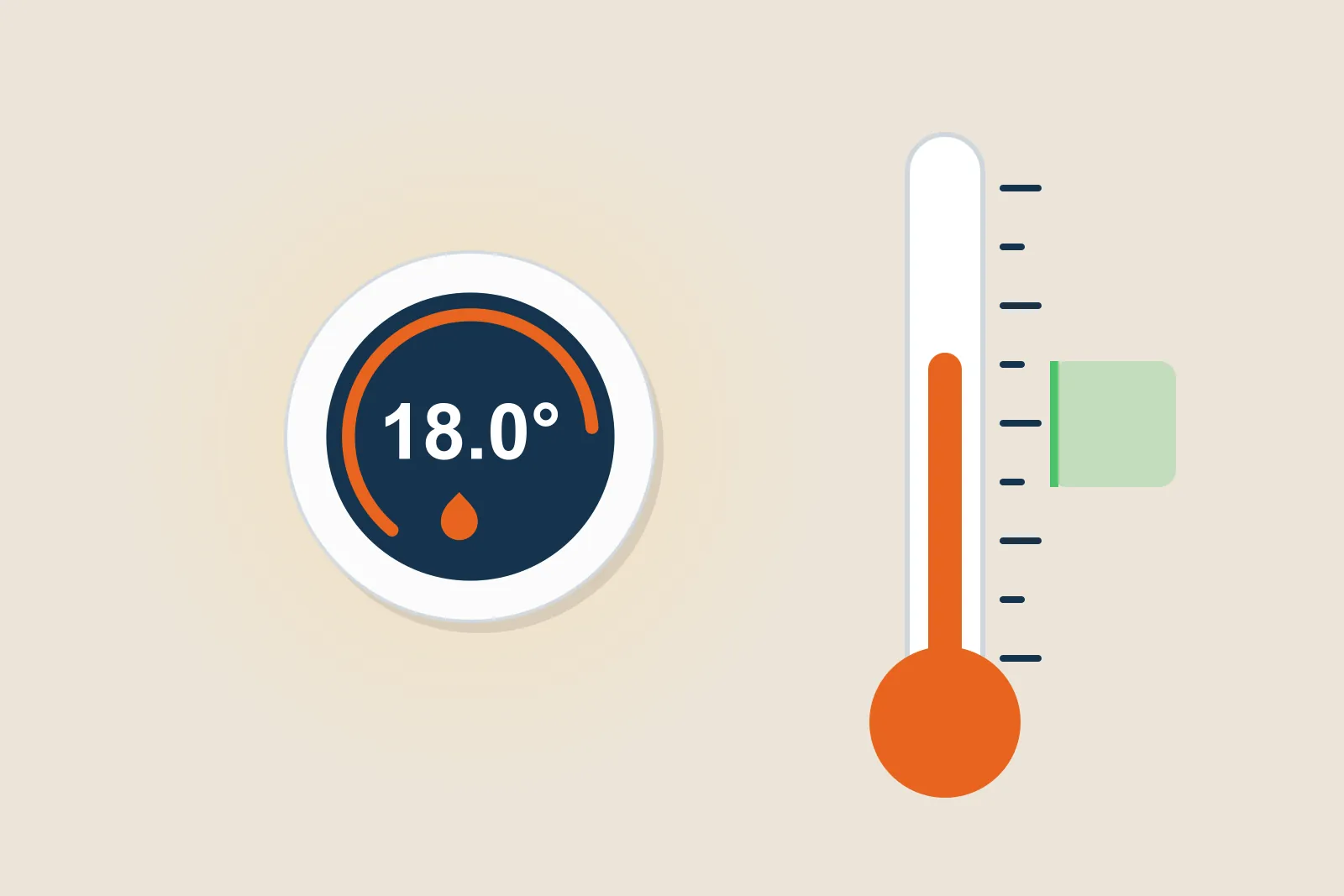
- Keep rooms reasonably and evenly warm, rather than very cold then very hot
- Use extractor fans when cooking and showering
- Open trickle vents or windows briefly to let moist air out
- Dry clothes outside or in a ventilated room where possible
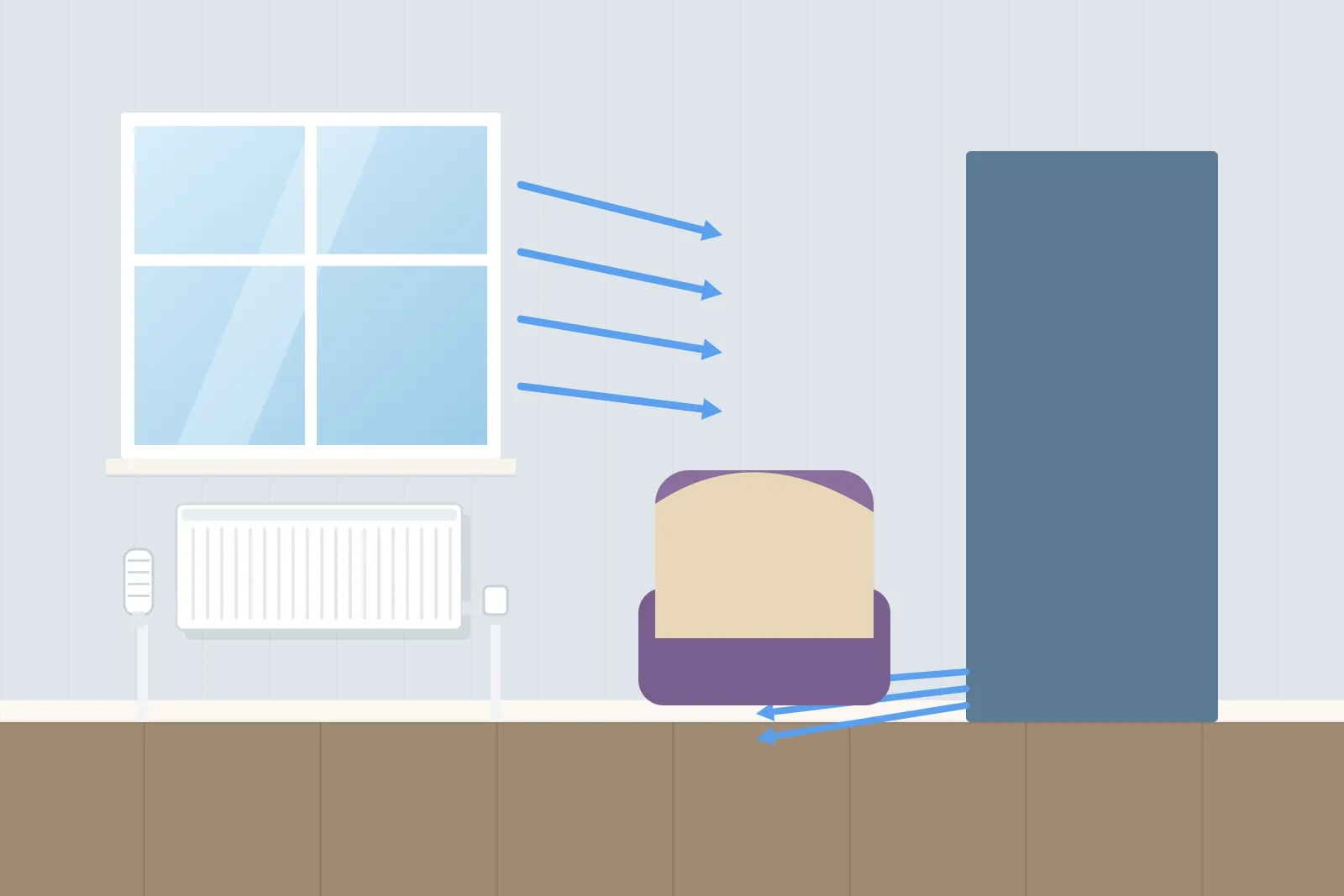
- Leave a small gap between furniture and outside walls
Need a heating engineer?
Describe the job and compare free quotes from local heating engineers near you.
- Free to use
- No obligation
- Compare local engineers
- Quick online form
You'll continue to our quotes partner, MyJobQuote, to describe your heating job.
When it's not just condensation
Damp patches that appear after rain, tide marks low on walls or a musty smell that persists may point to leaks, penetrating damp or rising damp. These need a specialist rather than more heating. A leaking heating pipe or radiator can also cause damp patches – a heating engineer can check.