Why older homes are harder to heat
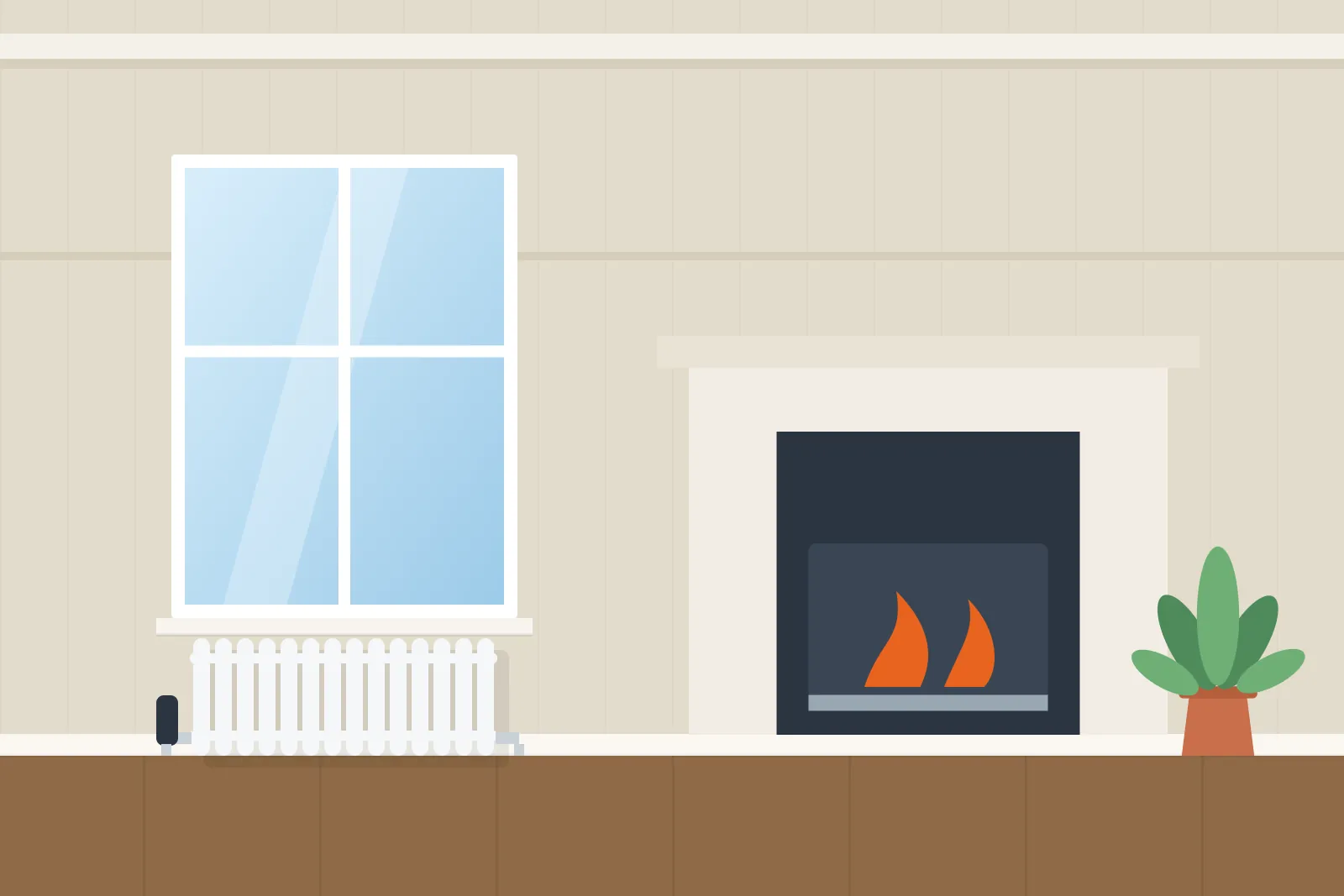
Solid walls lose more heat than modern cavity walls, sash windows let in draughts, and tall ceilings mean more air to warm. Rooms can also have been altered over time, with radiators left in positions that no longer suit them.
Getting the radiators right
In period homes:
- Have radiators sized from a room-by-room heat-loss calculation
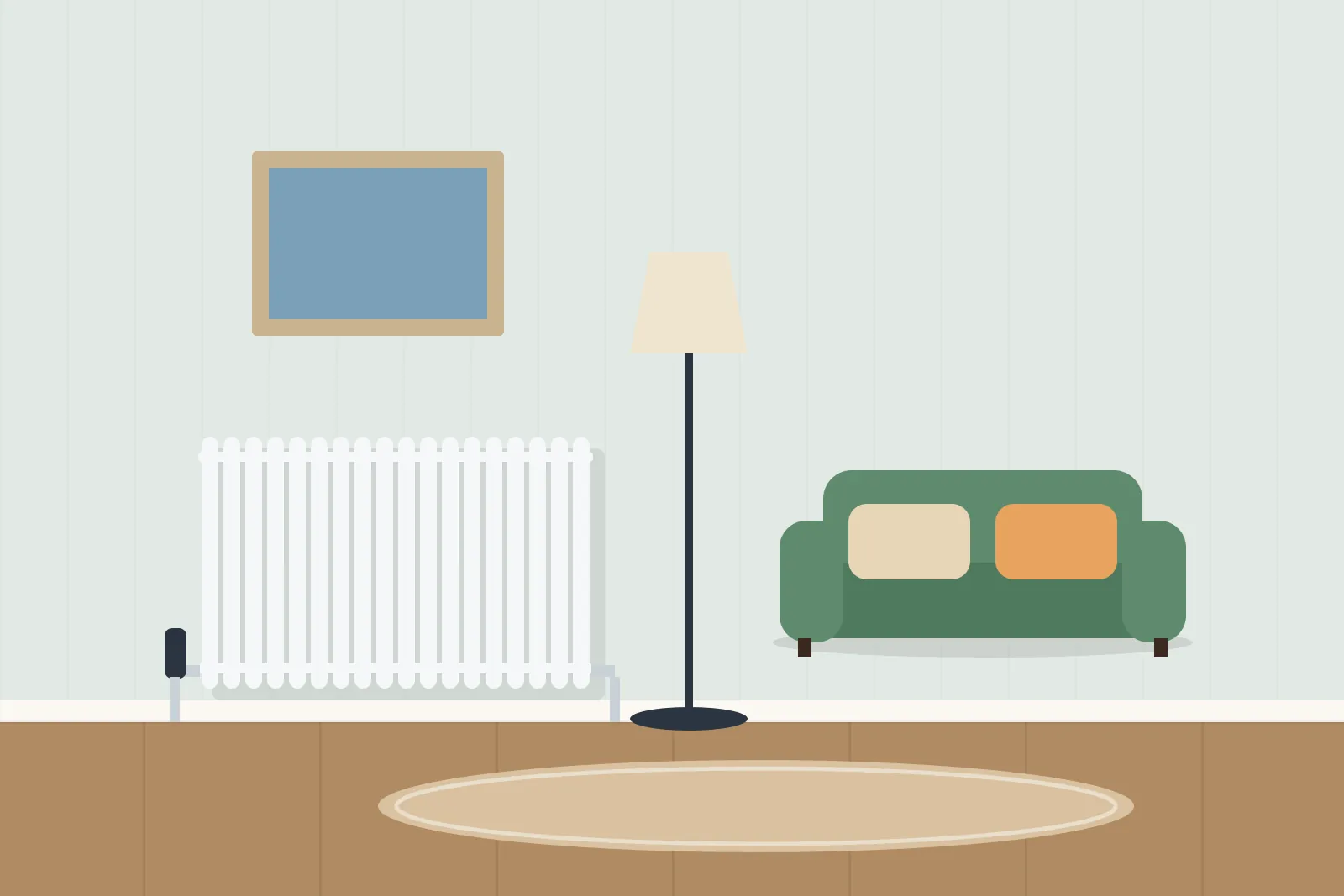
- Consider column radiators, which suit the style and give good output
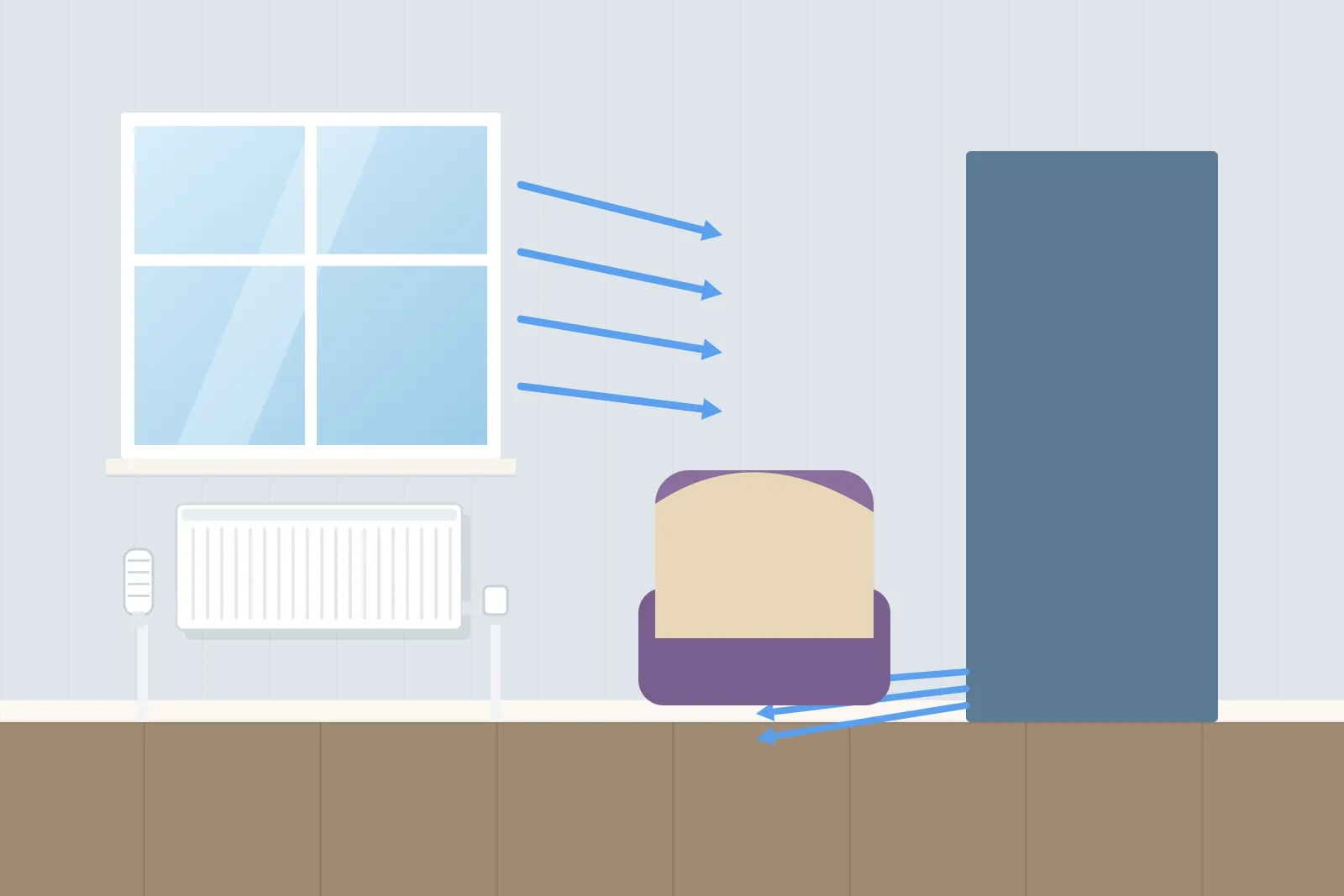
- Place radiators to counter cold draughts from large windows
- Check walls and floors can take heavy cast-iron radiators
- Fit thermostatic valves to stop rooms overheating
Need a heating engineer?
Describe the job and compare free quotes from local heating engineers near you.
- Free to use
- No obligation
- Compare local engineers
- Quick online form
You'll continue to our quotes partner, MyJobQuote, to describe your heating job.
Respecting the building
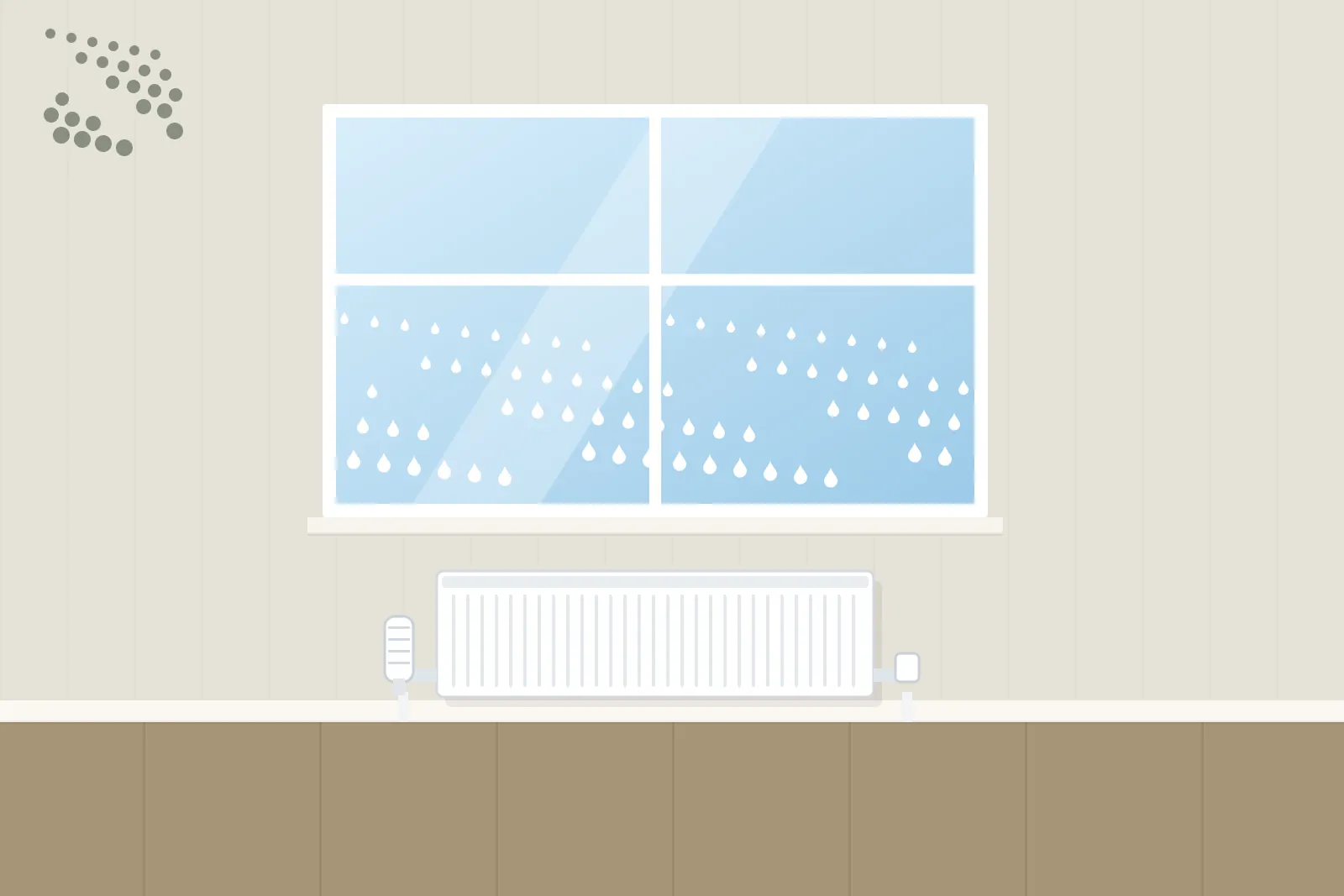
Many older buildings need to 'breathe', so heating and ventilation should be balanced to avoid trapping moisture. In listed buildings, new flues, pipe routes or radiators in sensitive rooms may need consent. Draught-proofing sash windows and insulating lofts are often worthwhile and sympathetic improvements.