How LPG heating works
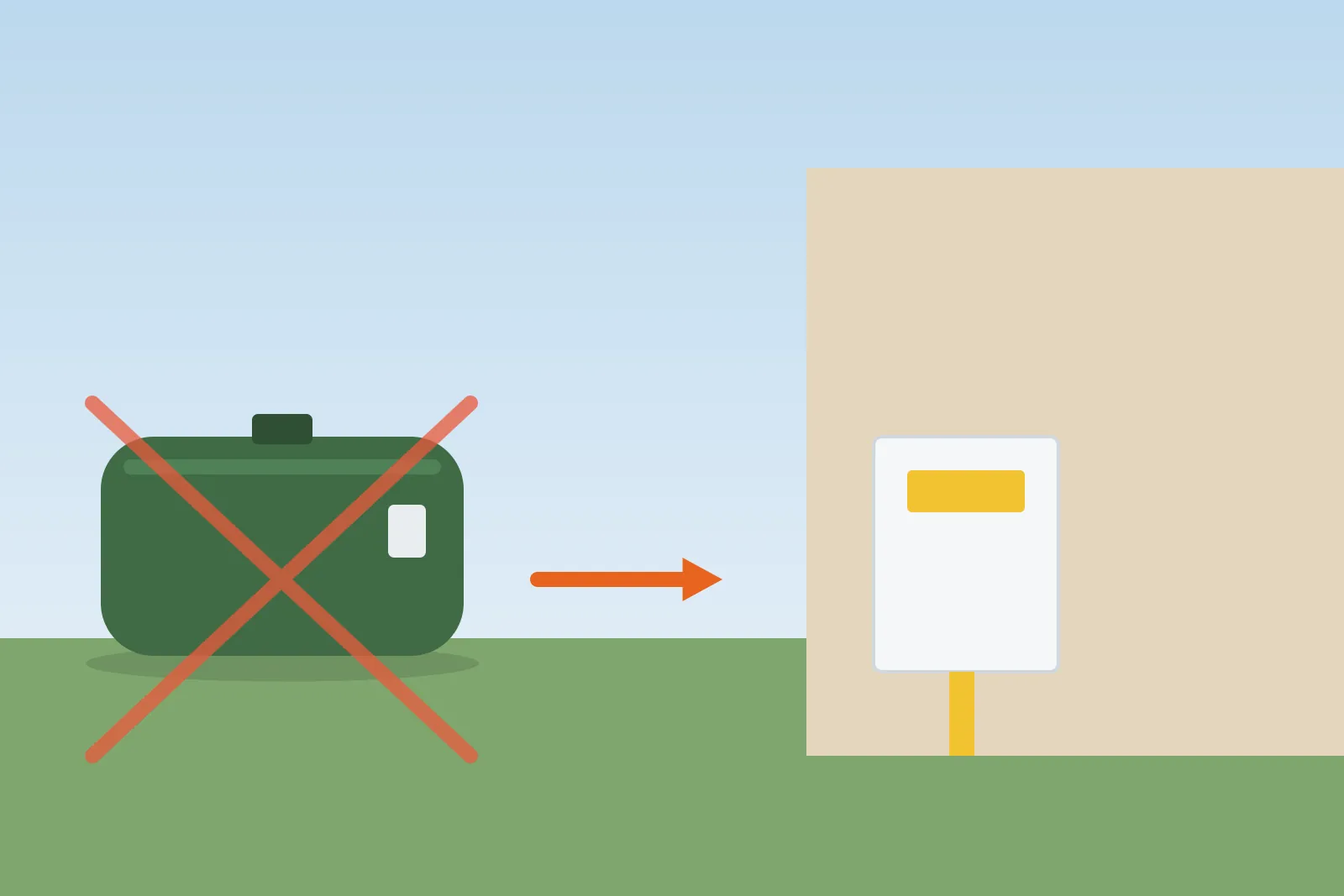
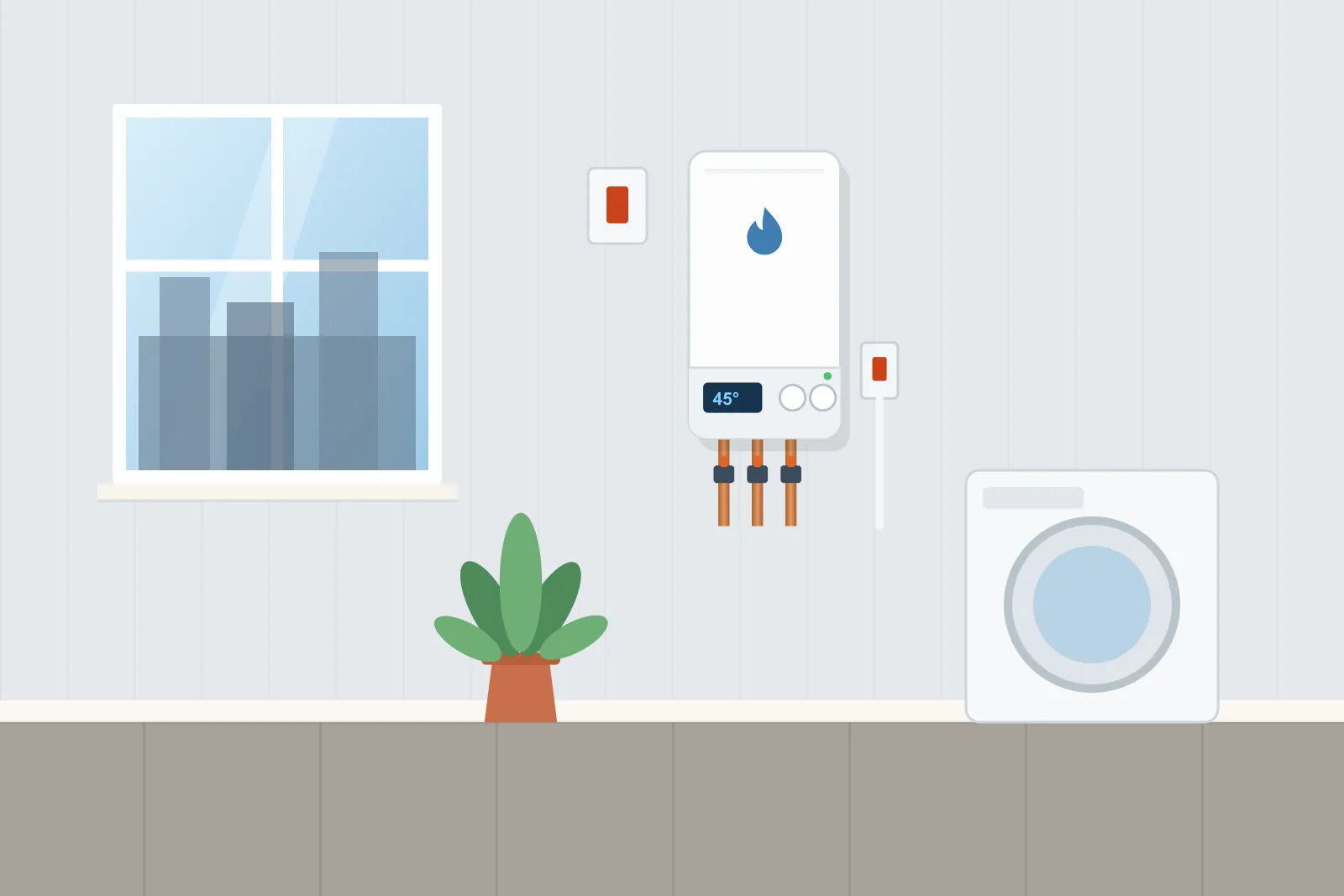
LPG is stored as a liquid in a tank or bottles outside the home and delivered by a supplier. It feeds a boiler designed or converted to run on LPG. The boiler and radiators work just like a mains gas system.
LPG compared with alternatives
Off-grid homes usually choose between:
- LPG: gas boiler convenience, tank or bottles needed
- Oil: common in rural areas, large tank needed
- Electric boilers or heaters: no fuel storage
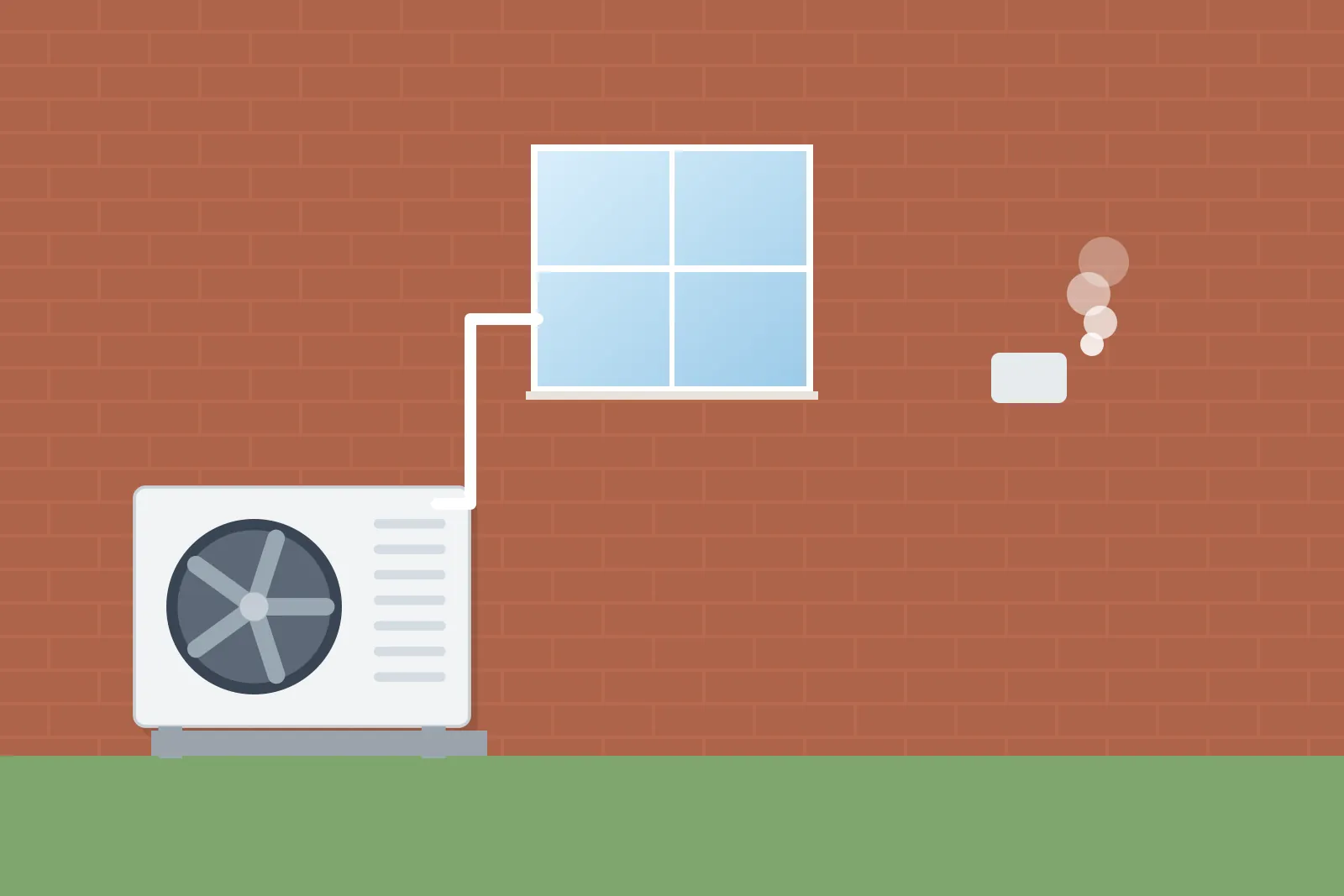
- Heat pumps: lower running temperatures, larger radiators may be needed
Need a heating engineer?
Describe the job and compare free quotes from local heating engineers near you.
- Free to use
- No obligation
- Compare local engineers
- Quick online form
You'll continue to our quotes partner, MyJobQuote, to describe your heating job.
Installation and safety
LPG is a gas, so boiler work must be done by a Gas Safe registered engineer qualified for LPG. Tanks must be positioned according to safety distances, and the supplier usually manages tank installation and checks.