Gurgling
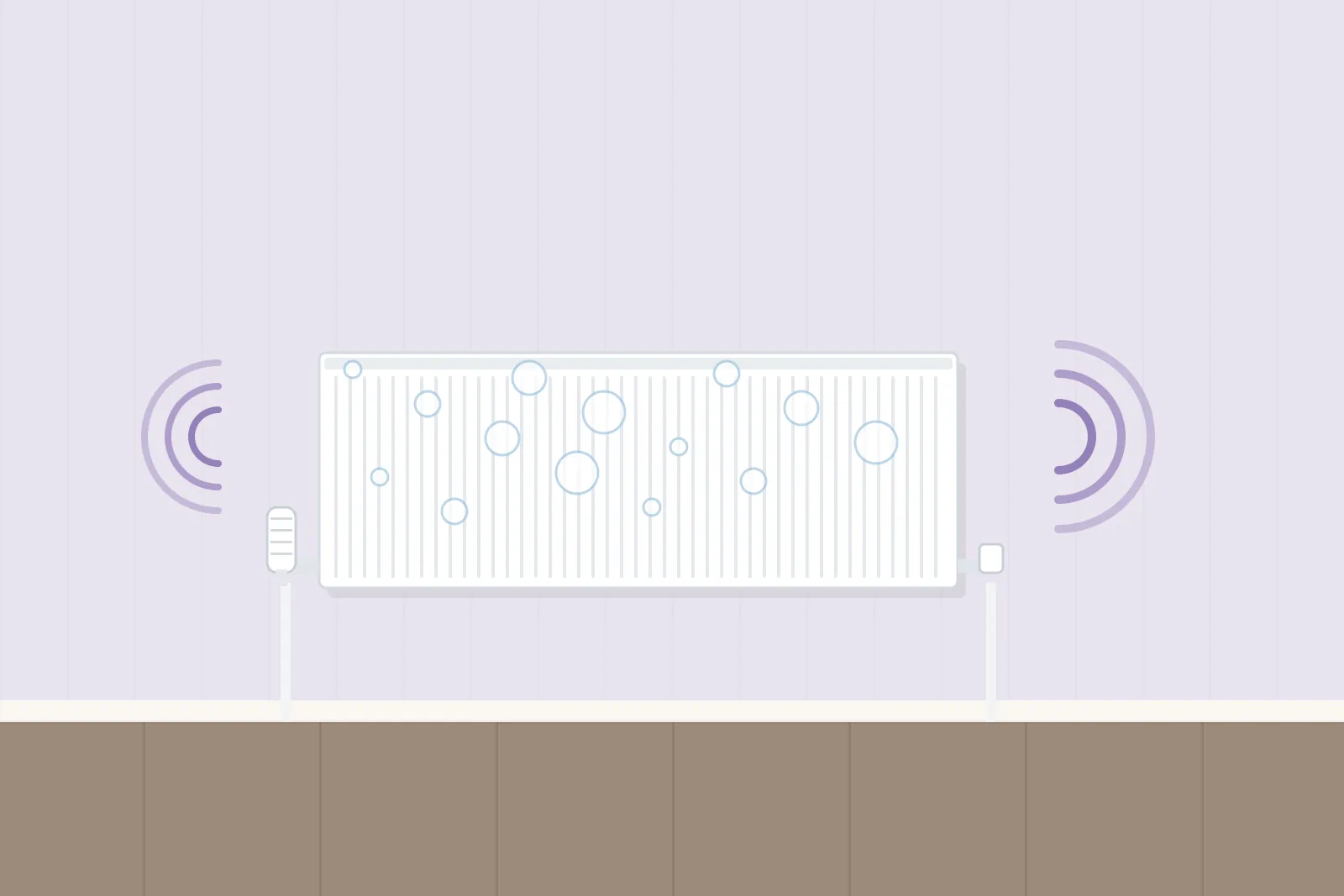
Gurgling usually means air in the system. Bleeding the affected radiators normally solves it. If it returns quickly, there may be a leak or another fault letting air in.
Ticking and clicking
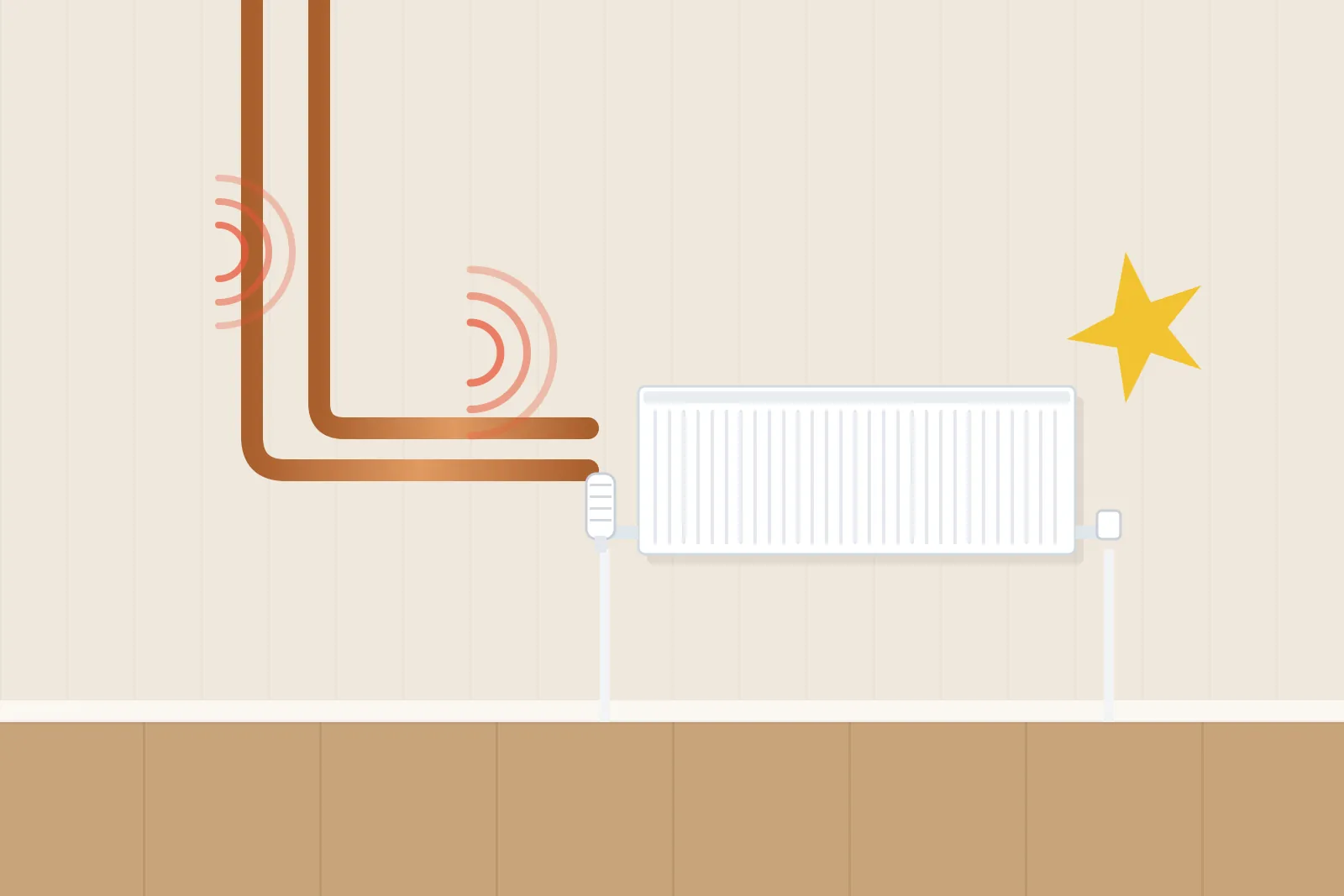
As radiators and pipes heat and cool, they expand and contract. Where they rub against brackets or floorboards, they can tick. It's usually harmless, though brackets can be adjusted.
Need a heating engineer?
Describe the job and compare free quotes from local heating engineers near you.
- Free to use
- No obligation
- Compare local engineers
- Quick online form
You'll continue to our quotes partner, MyJobQuote, to describe your heating job.
Banging and whistling
Louder noises are worth investigating:
- Banging can be caused by air, high pump speed, loose pipes or sludge
- Whistling from valves can mean the flow is restricted
- Hissing from a valve can indicate a small leak