What sludge is
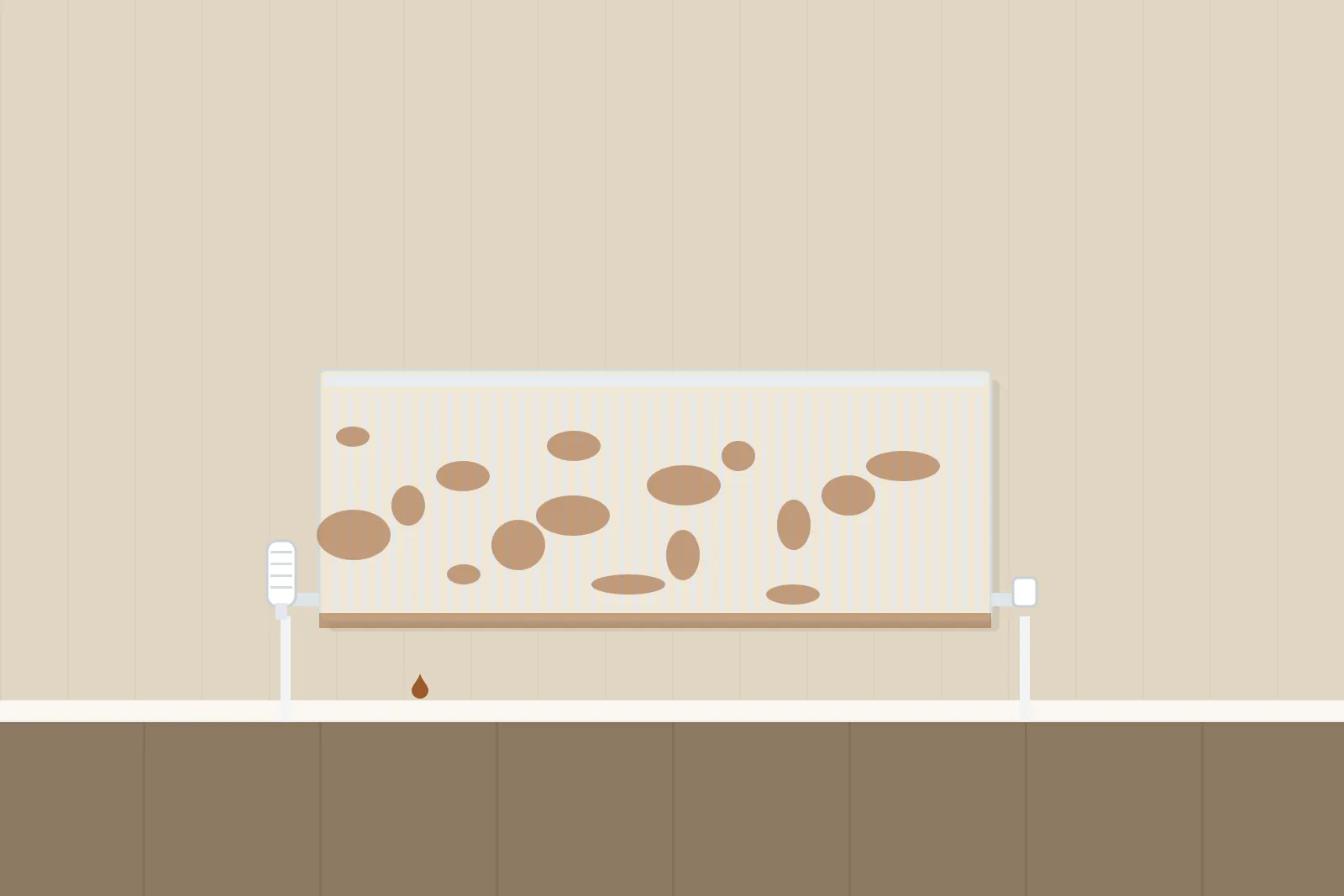
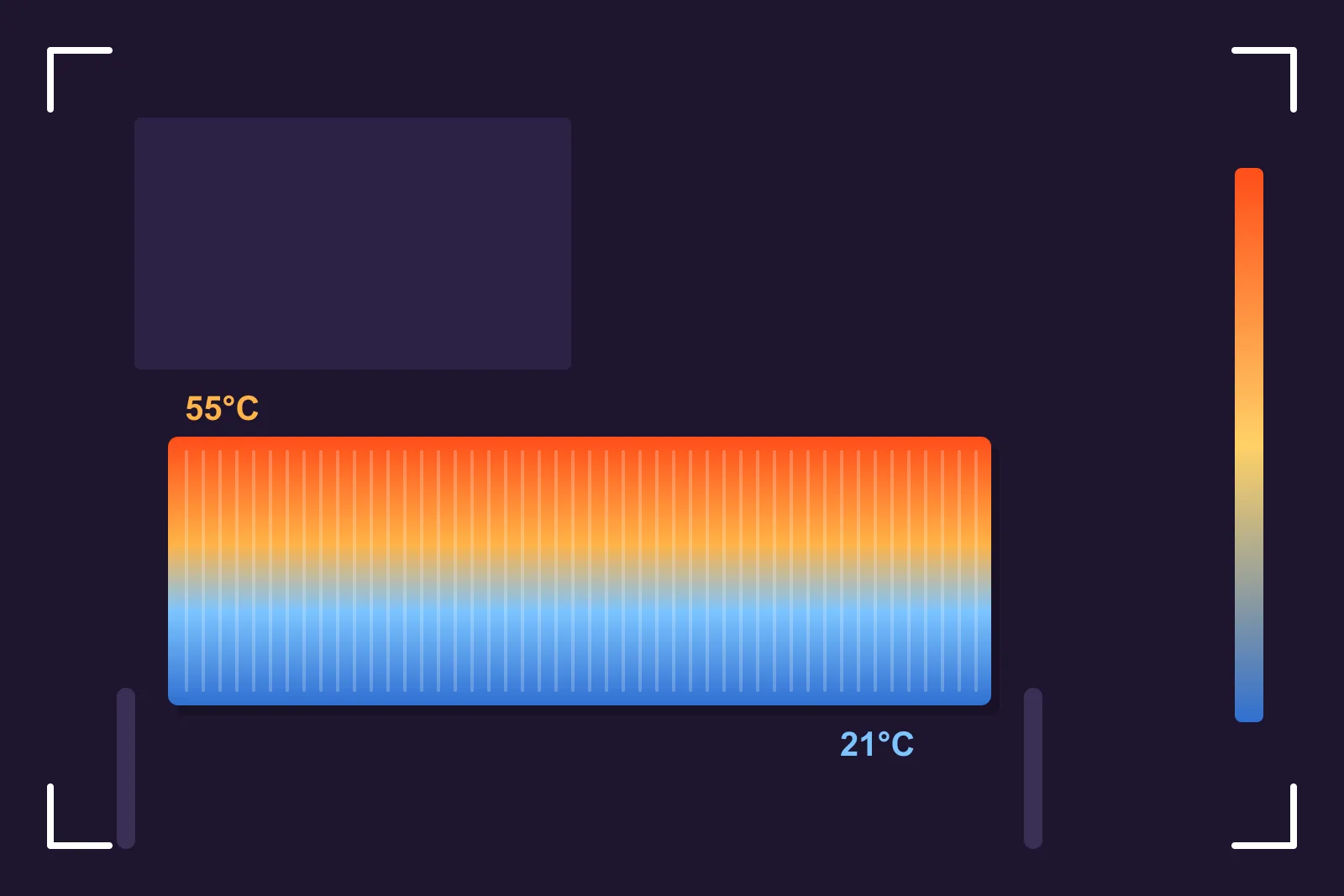
Over time, the water inside a heating system corrodes steel radiators and pipes, producing a dark sludge. It's heavier than water, so it settles at the bottom of radiators, blocking the flow and leaving a cold area.
Fixing a sludged radiator
Options depend on how bad it is:
- Removing and flushing the individual radiator
- A chemical clean of the whole system
- A power flush for heavily sludged systems
- Replacing radiators that are badly corroded
- Fitting a magnetic filter and adding inhibitor afterwards
Need a heating engineer?
Describe the job and compare free quotes from local heating engineers near you.
- Free to use
- No obligation
- Compare local engineers
- Quick online form
You'll continue to our quotes partner, MyJobQuote, to describe your heating job.
Why it matters
Sludge doesn't just affect radiators. It can block the boiler's heat exchanger and damage the pump, leading to breakdowns. Many manufacturers recommend – or require – a clean system before fitting a new boiler.