Typical lifespan
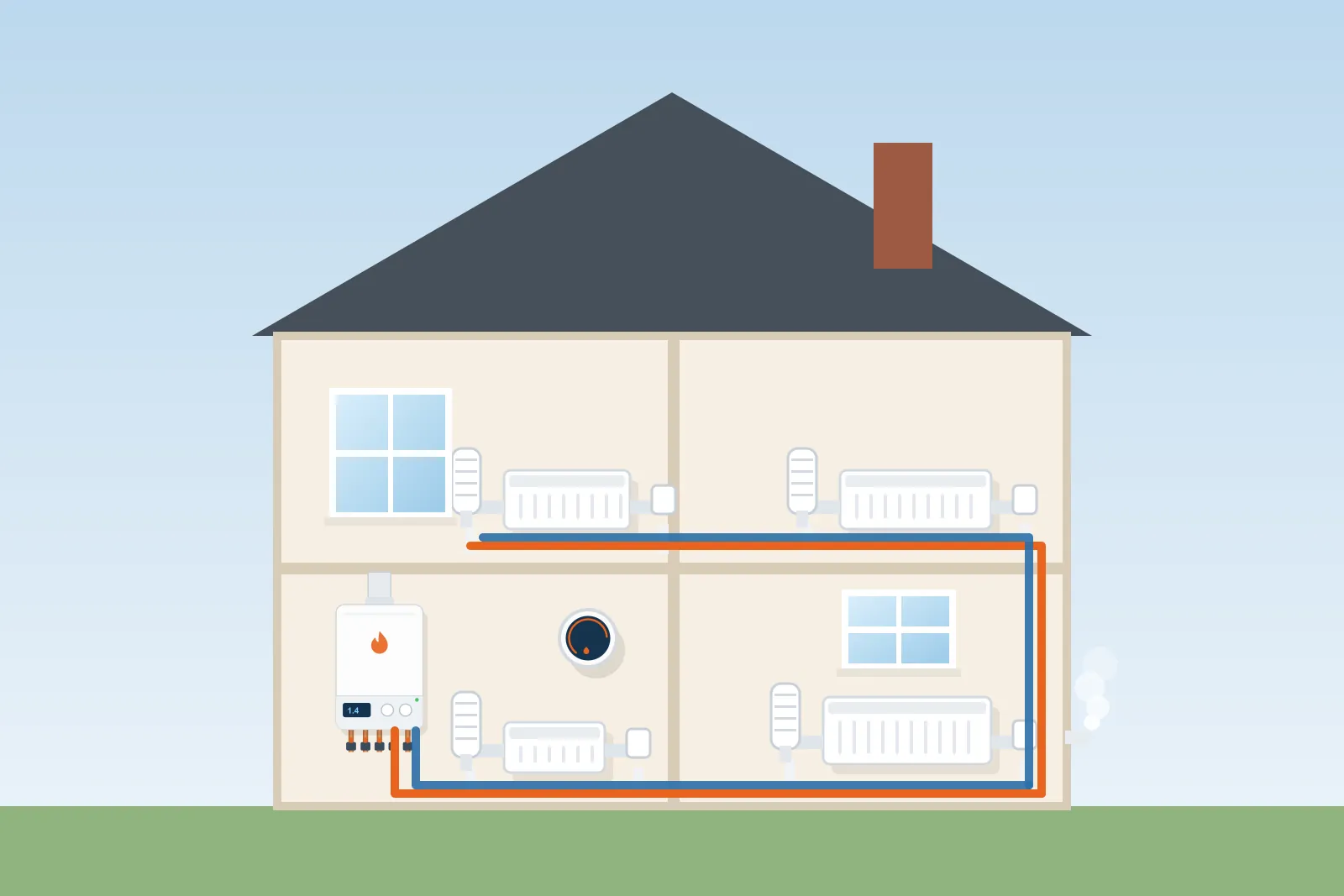
Steel panel radiators often last a couple of decades or more, and well-maintained cast-iron radiators can last far longer. The biggest factor is the condition of the water inside: untreated water corrodes radiators from within.
Signs a radiator needs replacing
Consider replacing a radiator if you notice:
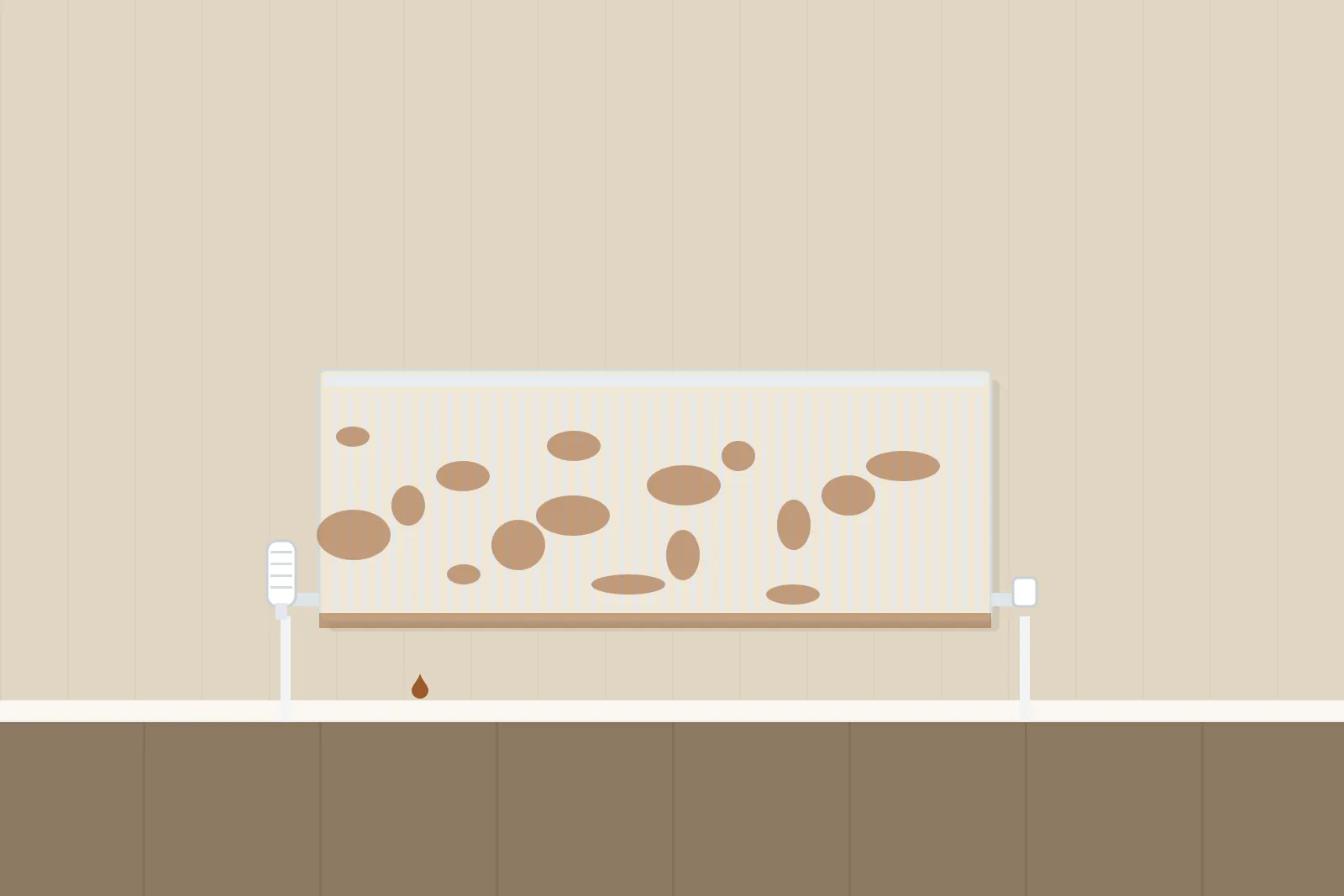
- Rust spots or bubbling on the surface
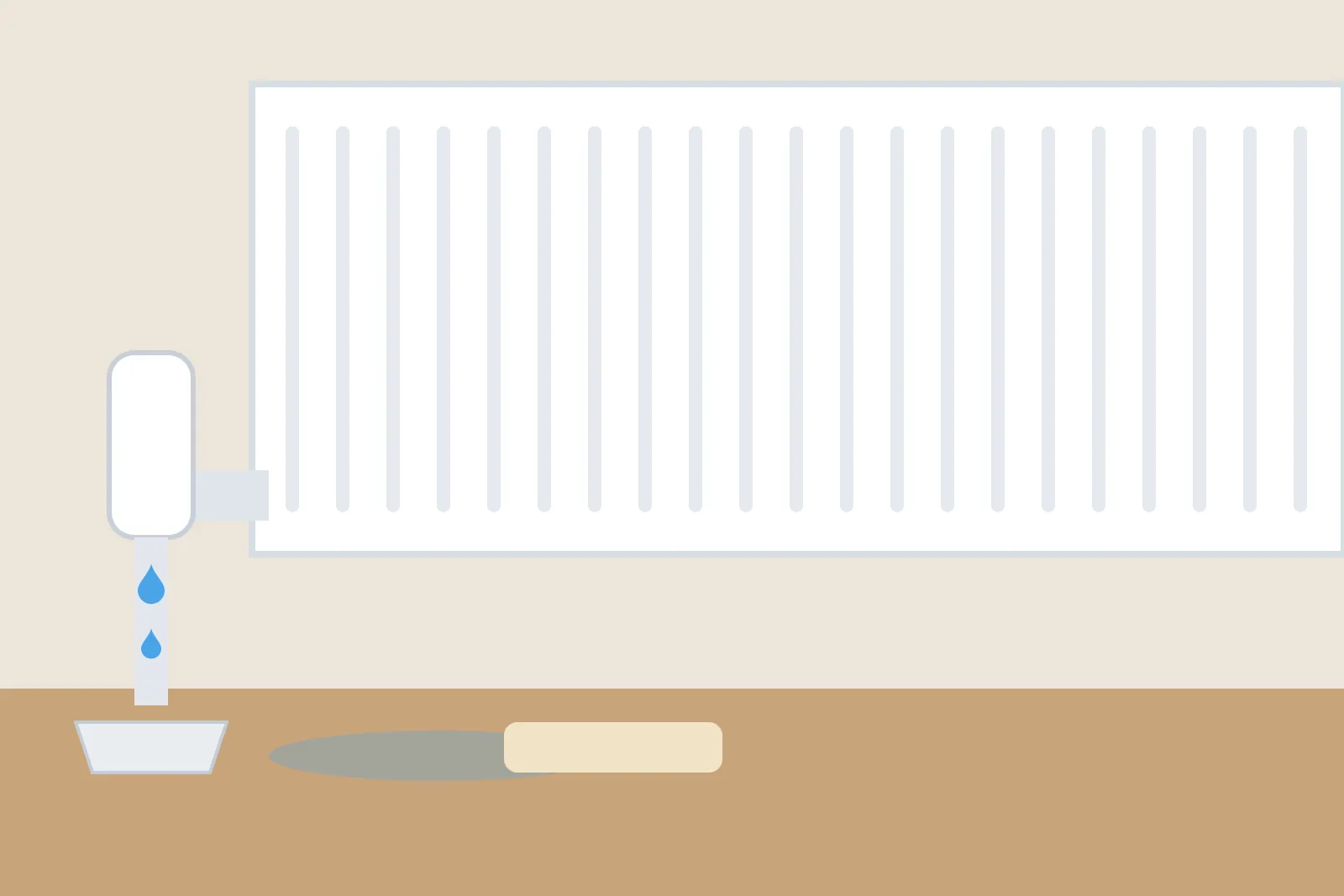
- Pinhole leaks or damp patches beneath it
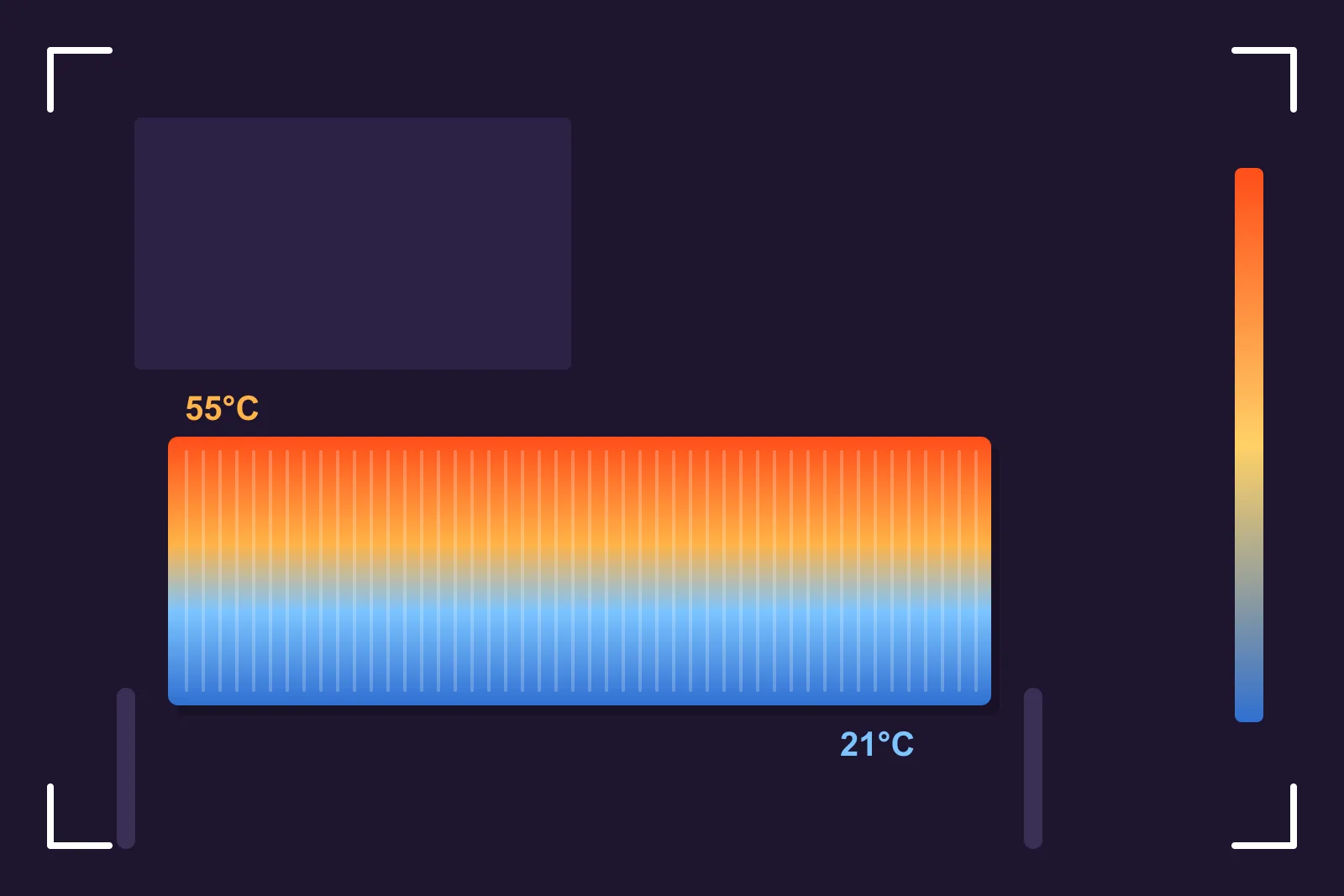
- Cold areas that don't improve after cleaning
- Very dirty, dark water when bleeding
- Seized or leaking valves that keep failing
Need a heating engineer?
Describe the job and compare free quotes from local heating engineers near you.
- Free to use
- No obligation
- Compare local engineers
- Quick online form
You'll continue to our quotes partner, MyJobQuote, to describe your heating job.
Making radiators last
Keep inhibitor in the system water, fit a magnetic filter and have the system checked during the boiler service. Fix leaks promptly, as constant topping-up brings in fresh oxygen that speeds up corrosion.