Why people replace storage heaters
Older storage heaters charge up overnight on cheaper electricity and release heat during the day, which makes it hard to have heat when you actually want it. Many people find the house warm in the morning and cold by the evening.
The main alternatives
Options include:
- Modern storage heaters with better controls and insulation
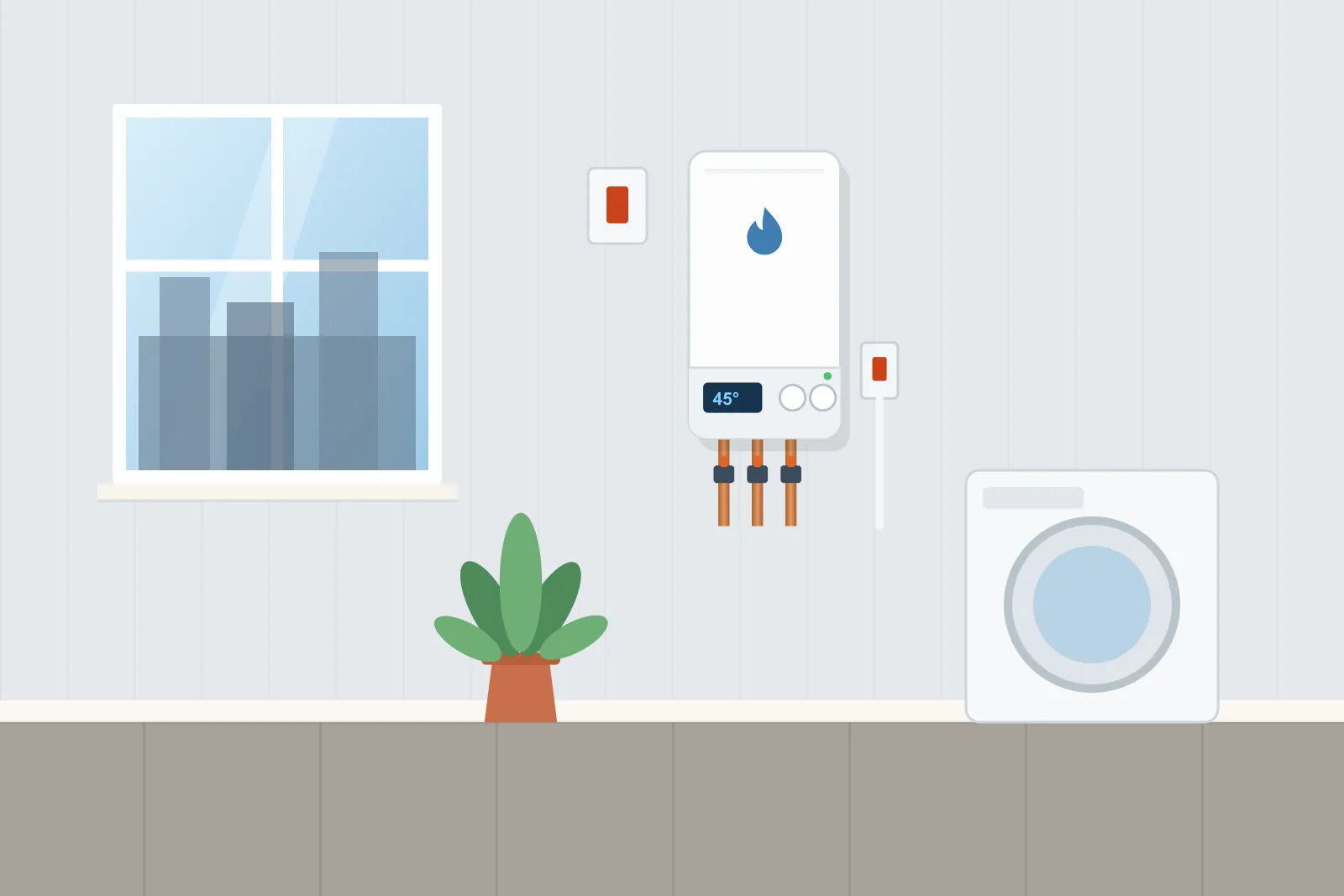
- An electric boiler with a wet radiator system
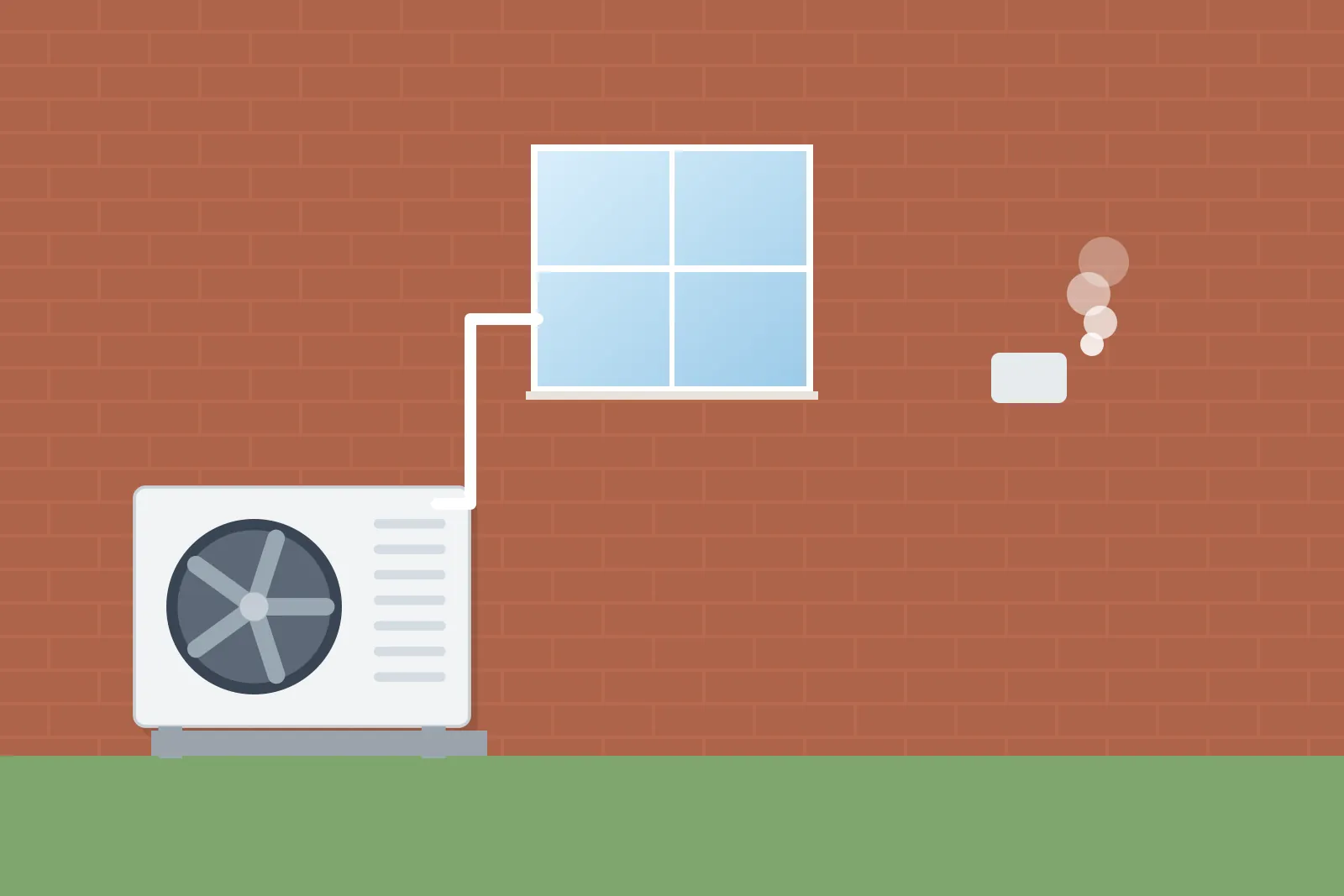
- An air source heat pump with radiators or underfloor heating
- A gas boiler and radiators, if mains gas is available
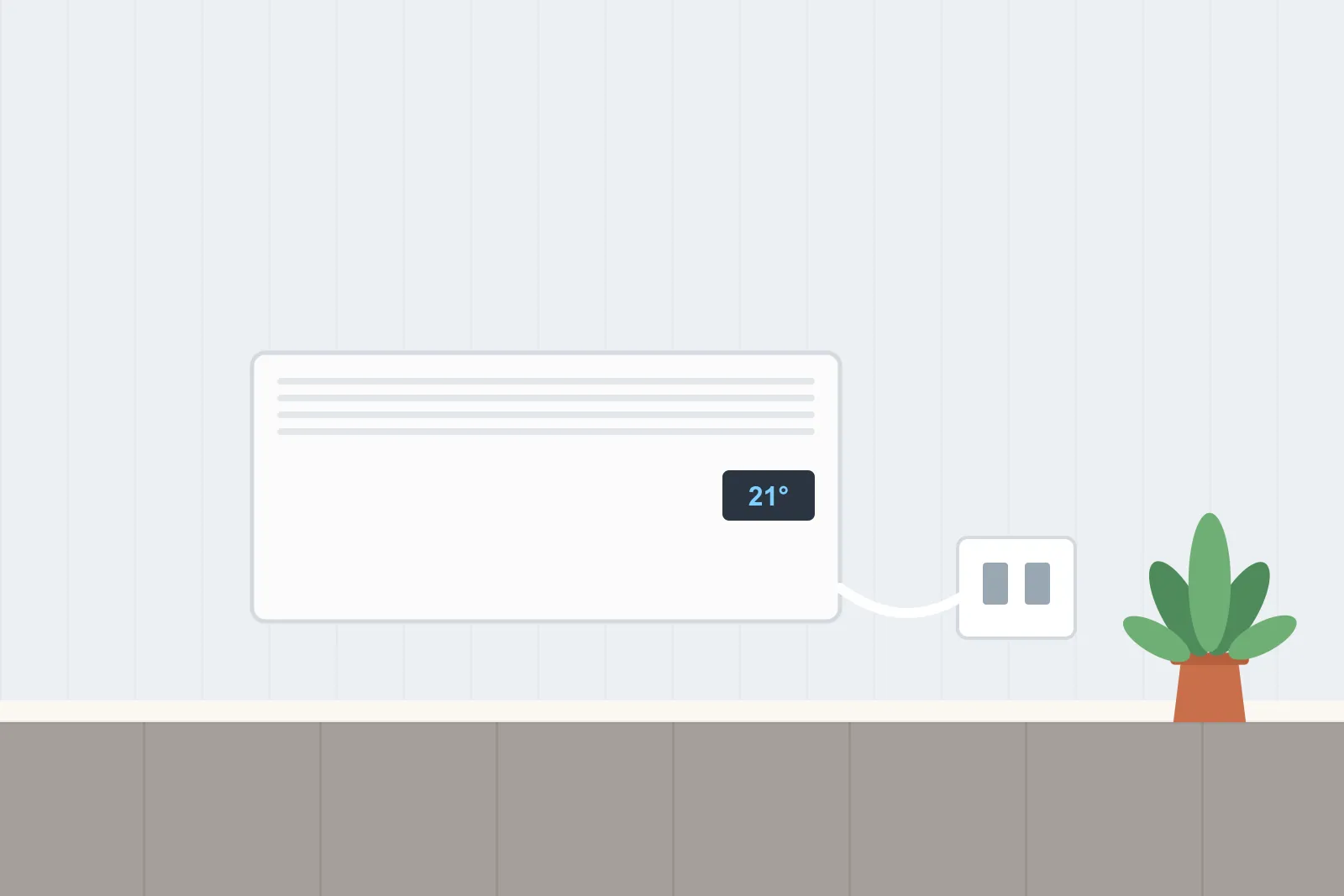
- Electric panel heaters for small or occasional-use spaces
Need a heating engineer?
Describe the job and compare free quotes from local heating engineers near you.
- Free to use
- No obligation
- Compare local engineers
- Quick online form
You'll continue to our quotes partner, MyJobQuote, to describe your heating job.
What a wet system involves
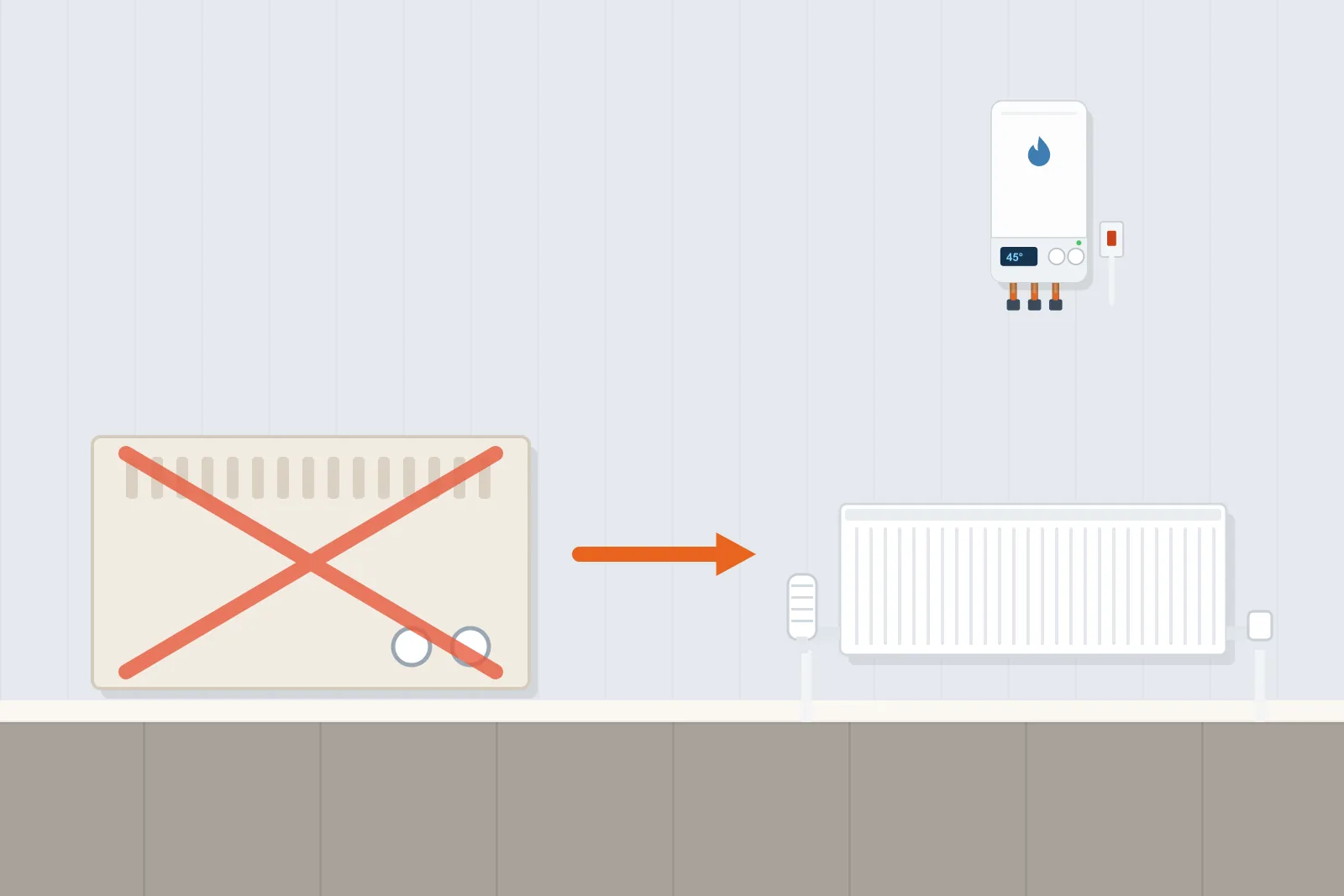
Moving from storage heaters to a boiler or heat pump means installing pipework and radiators throughout, which is a bigger job but gives familiar, controllable heating. An engineer will check your electrical supply, space for equipment and the heat each room needs.