How electric radiators work
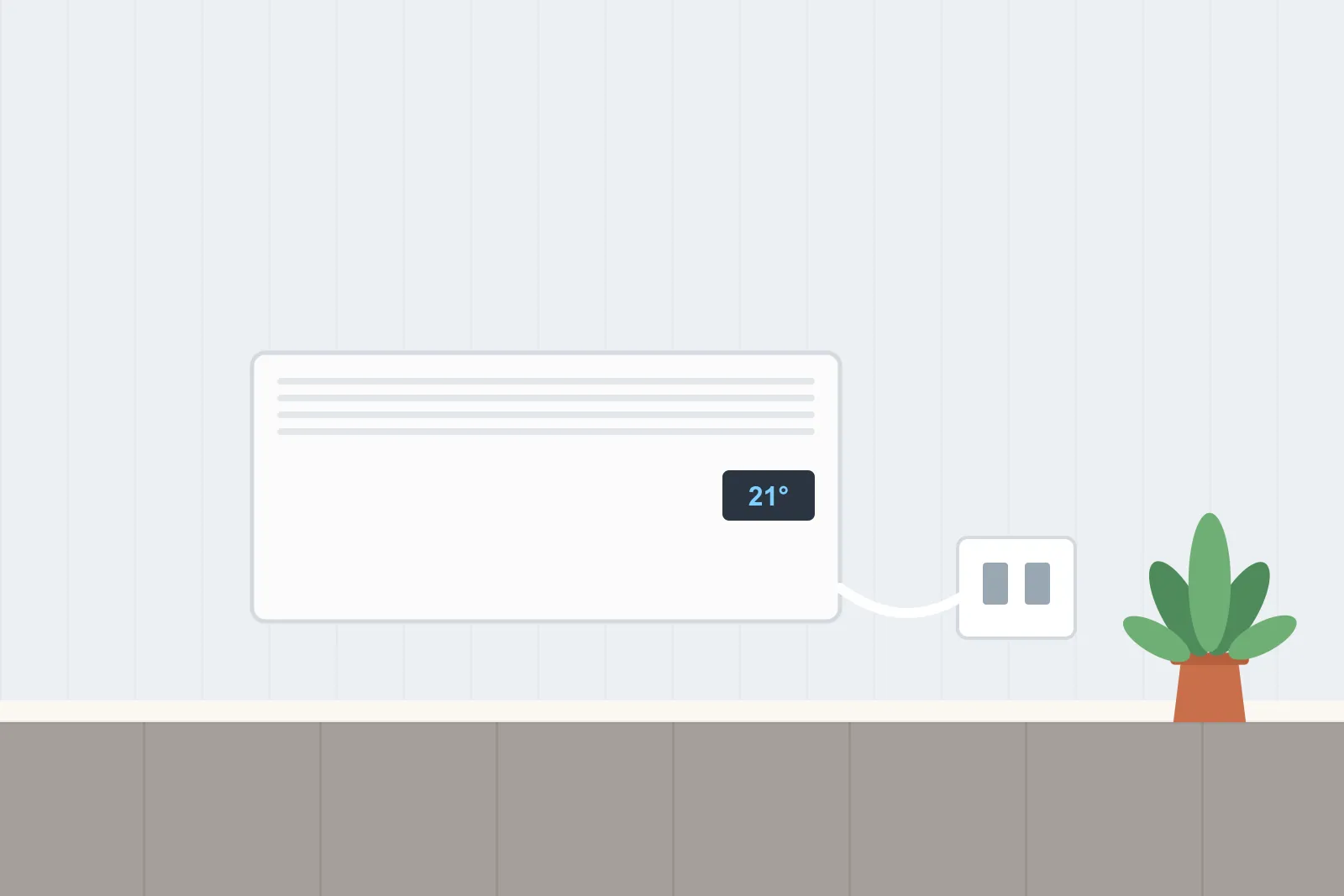
Electric radiators plug in or are wired into the electrical supply and heat using an element, sometimes with a fluid or ceramic core to hold heat. Each has its own thermostat and often its own timer or app control.
Comparing the two
The main differences:
| Electric radiators | Wet central heating | |
|---|---|---|
| Installation | Simple, no pipework | Boiler, pipes and radiators |
| Running cost | Depends on electricity prices | Usually lower with mains gas |
| Control | Each radiator independent | Central controls and TRVs |
| Hot water | Needs a separate solution | Can be provided by the boiler |
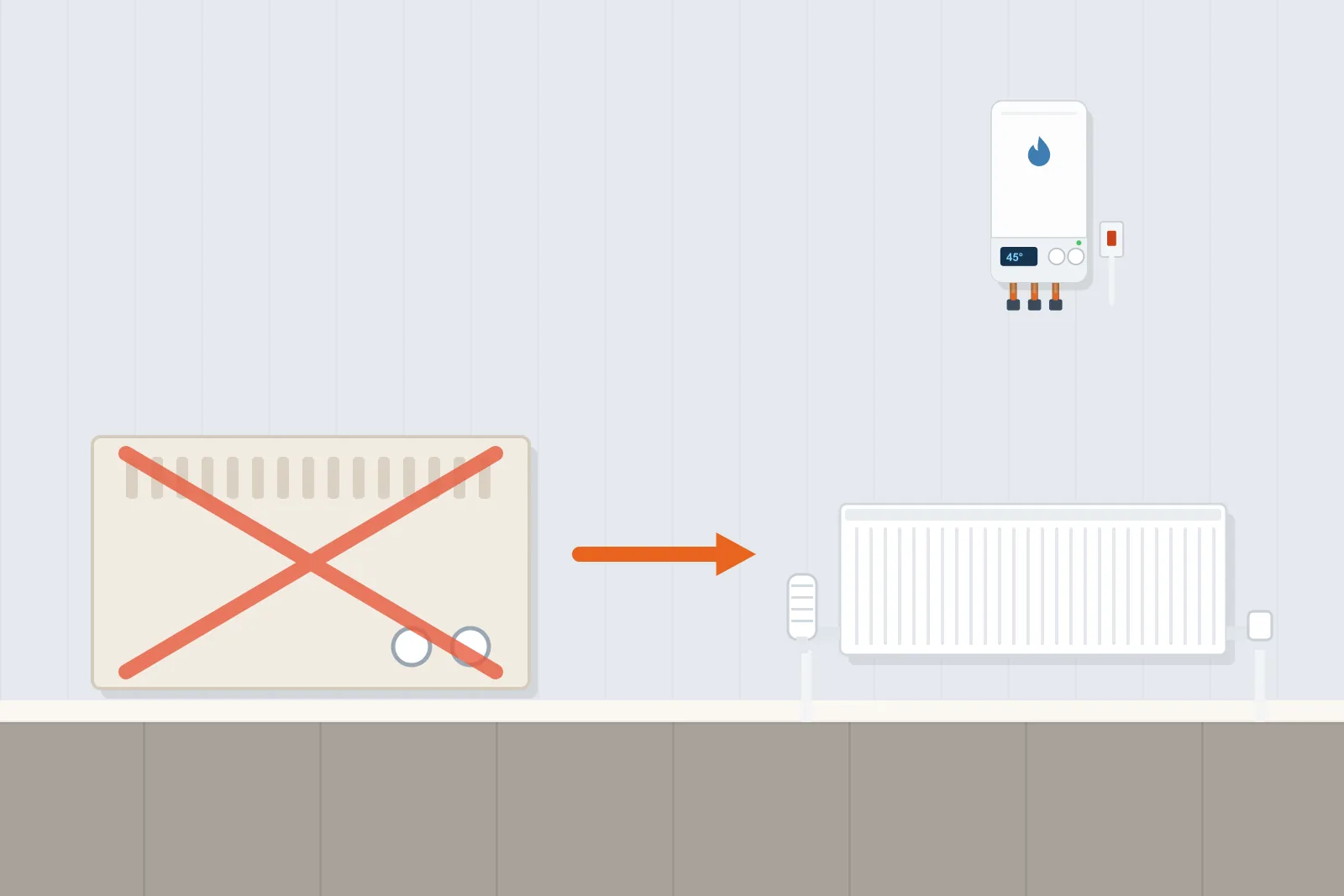
Electric radiators and wet central heating compared
Need a heating engineer?
Describe the job and compare free quotes from local heating engineers near you.
- Free to use
- No obligation
- Compare local engineers
- Quick online form
You'll continue to our quotes partner, MyJobQuote, to describe your heating job.
When electric makes sense
Electric radiators can suit flats without gas, small or occasional-use rooms, annexes and garden rooms, or where installing pipework isn't practical. For whole homes, compare running costs carefully with an electric boiler, a heat pump or gas.