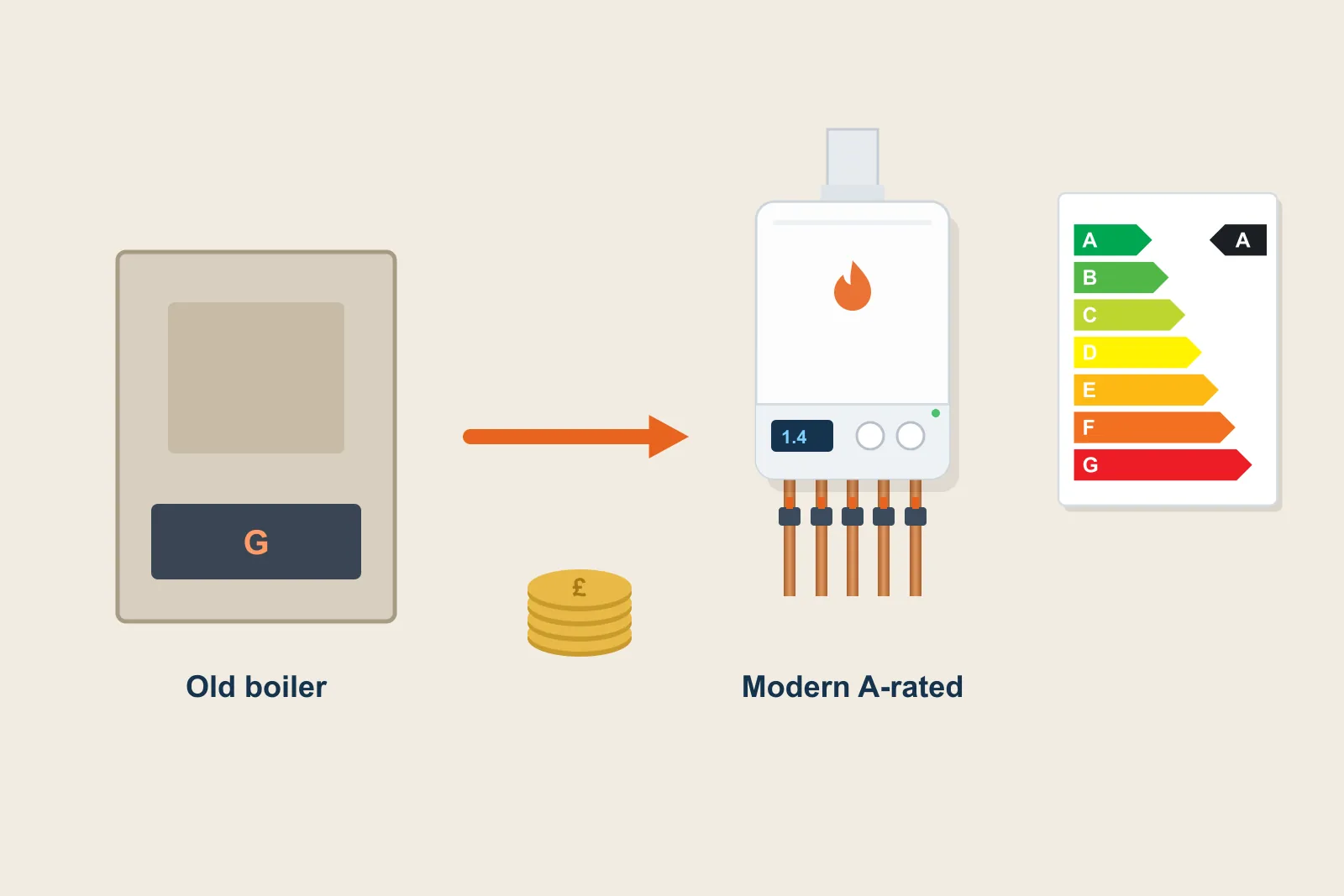
Where the savings come from
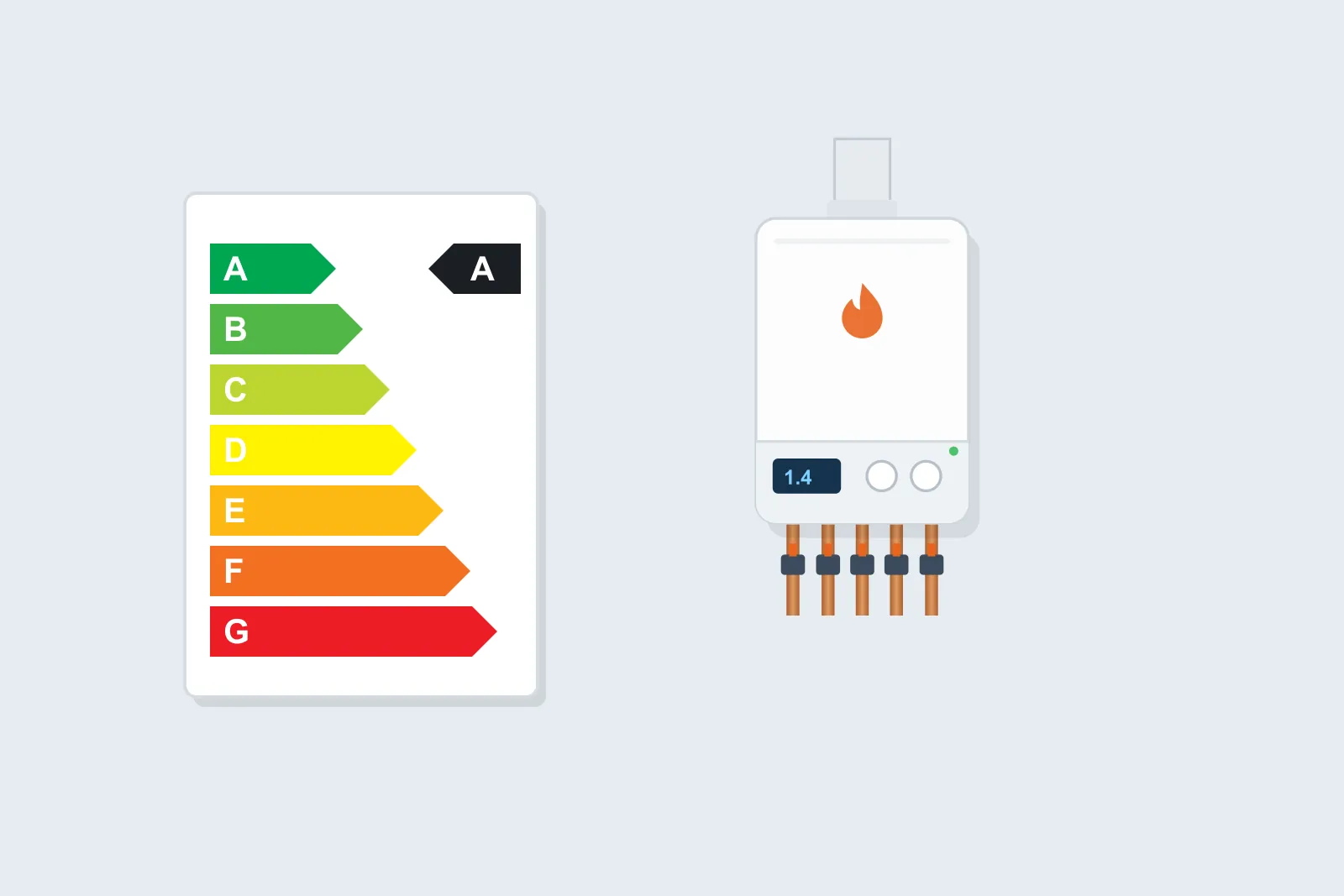
Old non-condensing boilers – typically fitted before 2005 – can be 60–80% efficient. Modern condensing boilers are around 90% efficient or better when set up properly. That means more of the gas you pay for ends up as heat in your home.
See condensing boilers explained and boiler efficiency ratings.
How much could you save?
If your old boiler is around 70% efficient and you replace it with one around 90% efficient, you'd use roughly 20% less gas for the same heat. On an annual gas bill of £1,200, that's around £240 a year. Larger houses and homes with high heating use save more.
| Annual gas spend | Old boiler ~70% | Old boiler ~80% |
|---|---|---|
| £800 | ≈ £170 | ≈ £90 |
| £1,200 | ≈ £260 | ≈ £130 |
| £1,800 | ≈ £390 | ≈ £200 |
Illustrative annual savings from a more efficient boiler
Payback time
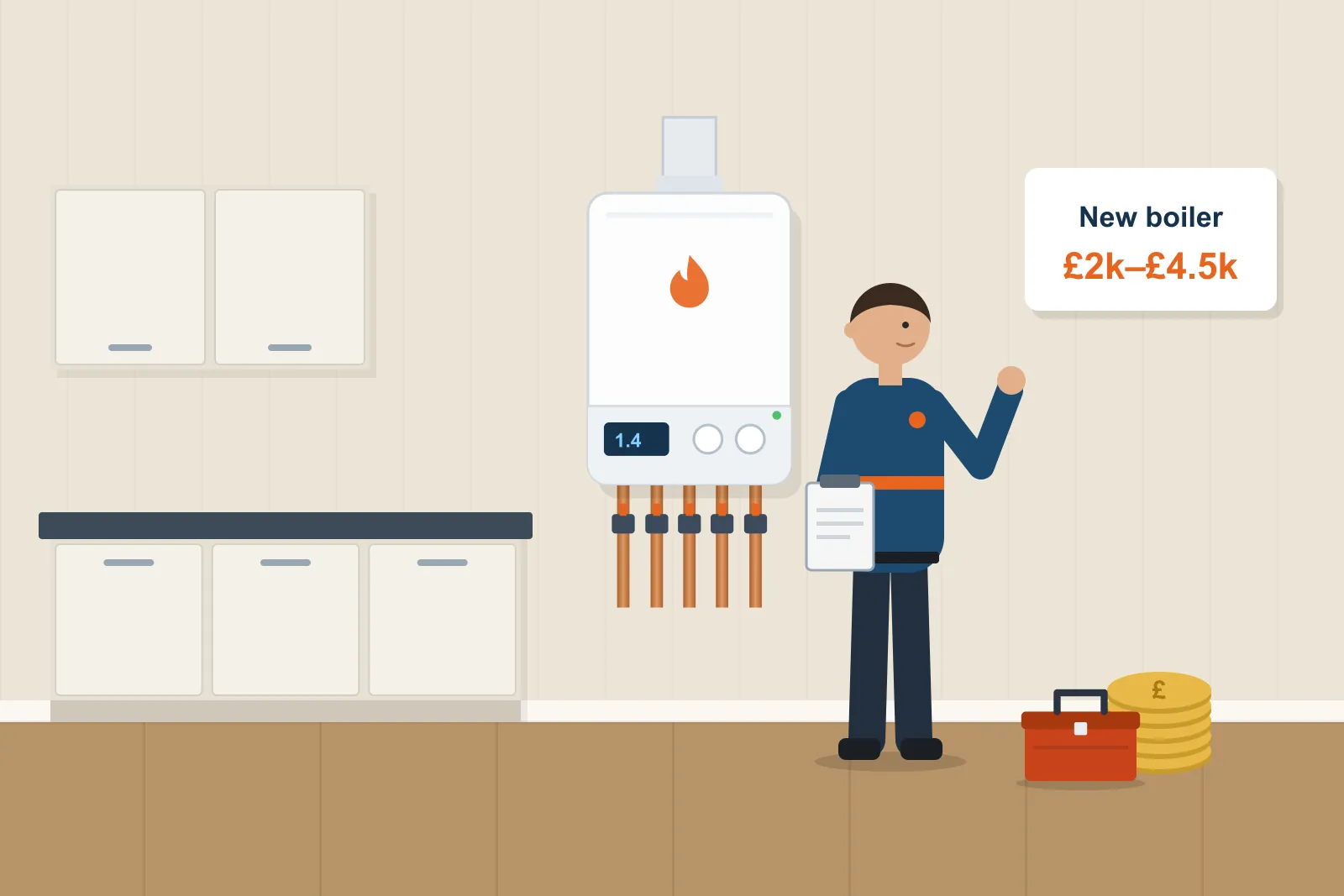
A new boiler costs £2,000–£4,500. If you save £250 a year, payback could take eight years or more on savings alone. But if your old boiler is unreliable and needs regular repairs, the case for replacement is much stronger. See signs you need a new boiler.
Need a heating engineer?
Describe the job and compare free quotes from local heating engineers near you.
Free and no obligation. Quote requests are handled by our partner, Bark.
Getting the most from a new boiler
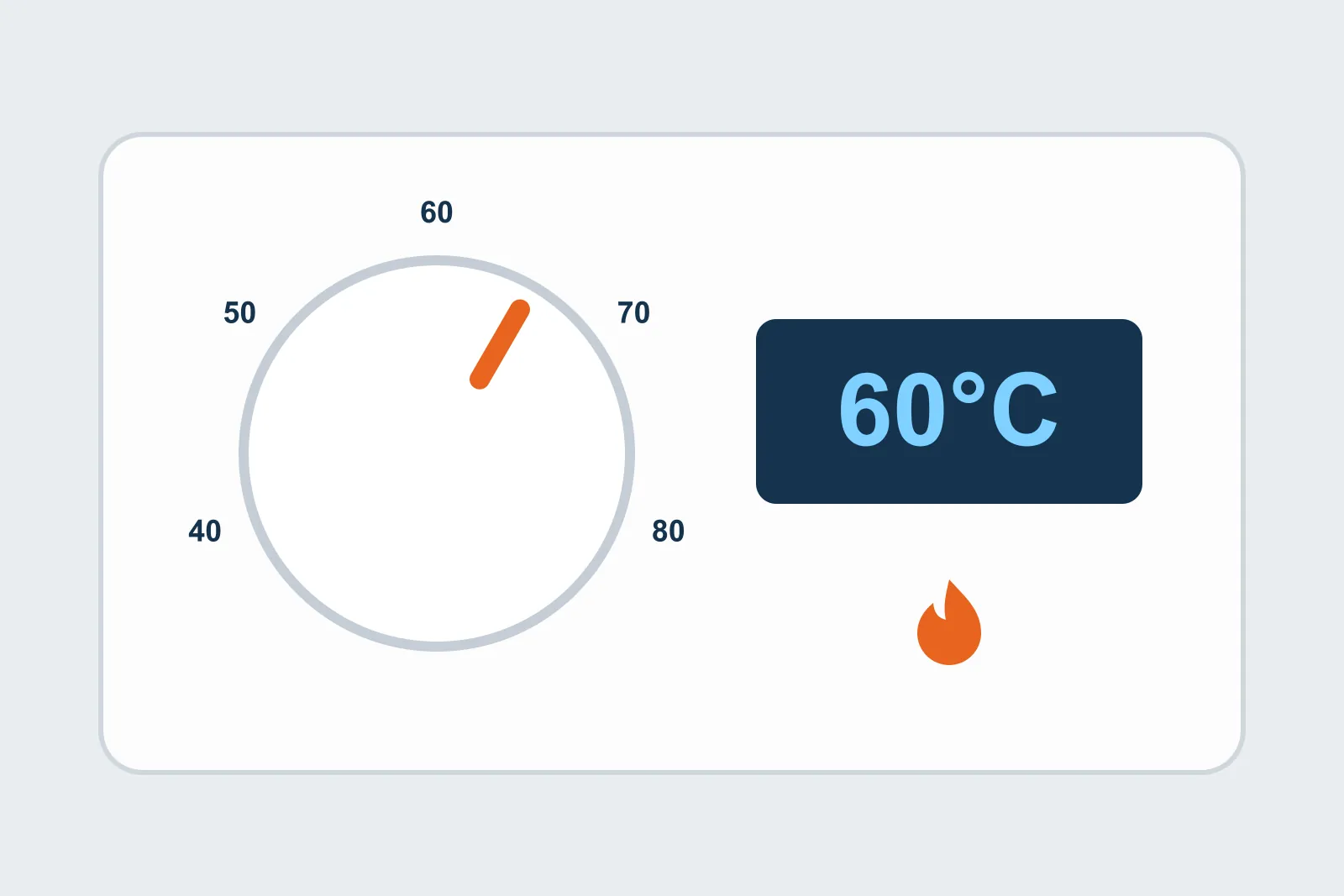
- Lower the flow temperature so the boiler condenses
- Fit good controls – a programmable or smart thermostat and TRVs
- Clean the system and fit a magnetic filter
- Size the boiler correctly
- Service it annually
Is it worth it?
If your boiler is over 15 years old, inefficient and costing money in repairs, replacing it is usually worthwhile. If it's reliable and already condensing, the savings from a new one may be small. Get quotes from local boiler installers, and see the cost to replace a gas boiler.