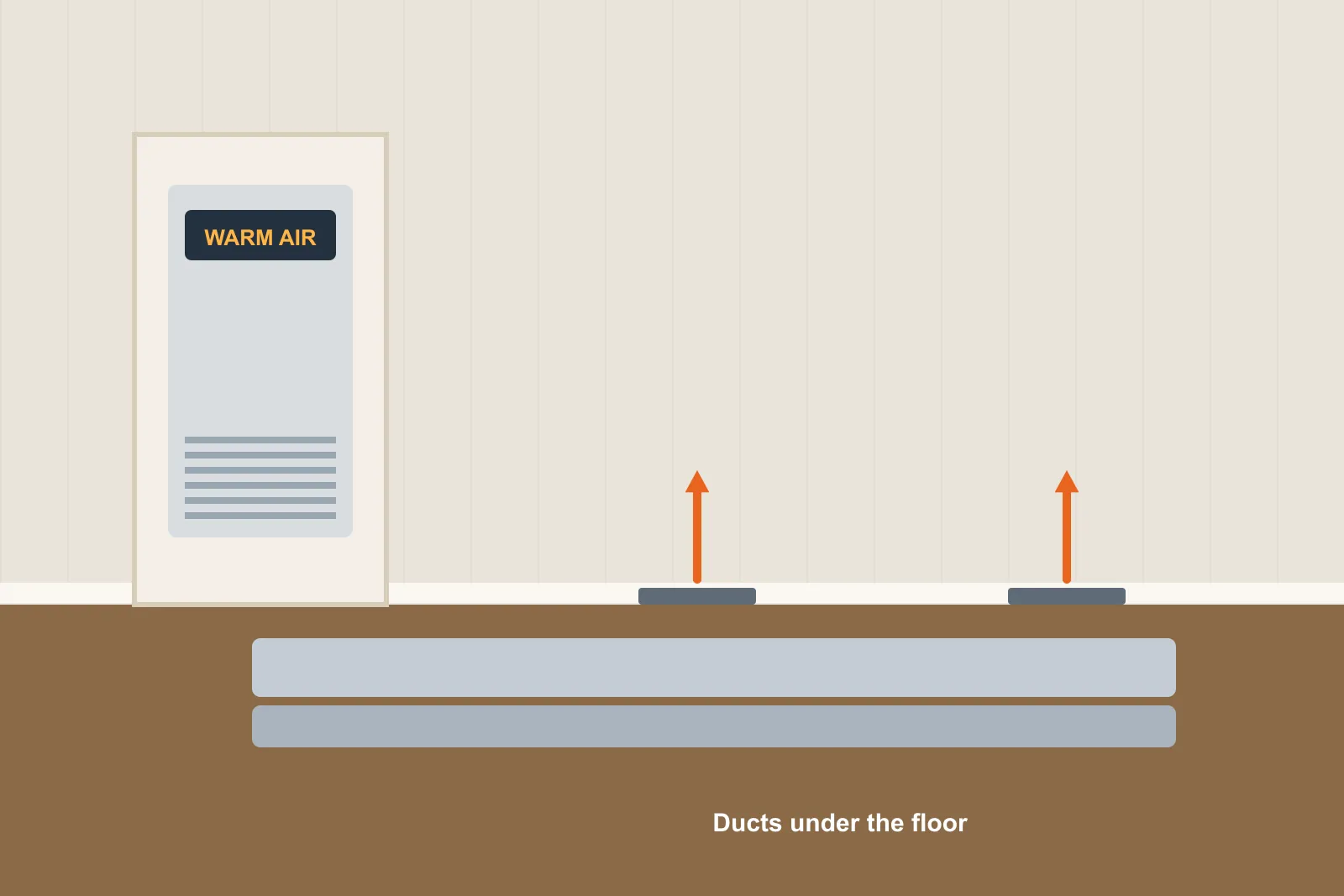
How warm air heating works
A warm air system uses a gas-fired heater – usually in a cupboard in the hall or kitchen – to heat air, which a fan blows through ducts under floors or in ceilings to grilles in each room. Cooler air returns through another grille to be reheated. Many units also include a built-in hot water circulator, or hot water comes from a separate appliance.
Warm air heats rooms quickly but tends to feel dry and can be noisy. Ducts can also carry dust and sound between rooms. Common names you might see on the unit include Johnson & Starley and older Brivis, Halstead or Weatherfield models.
Common problems
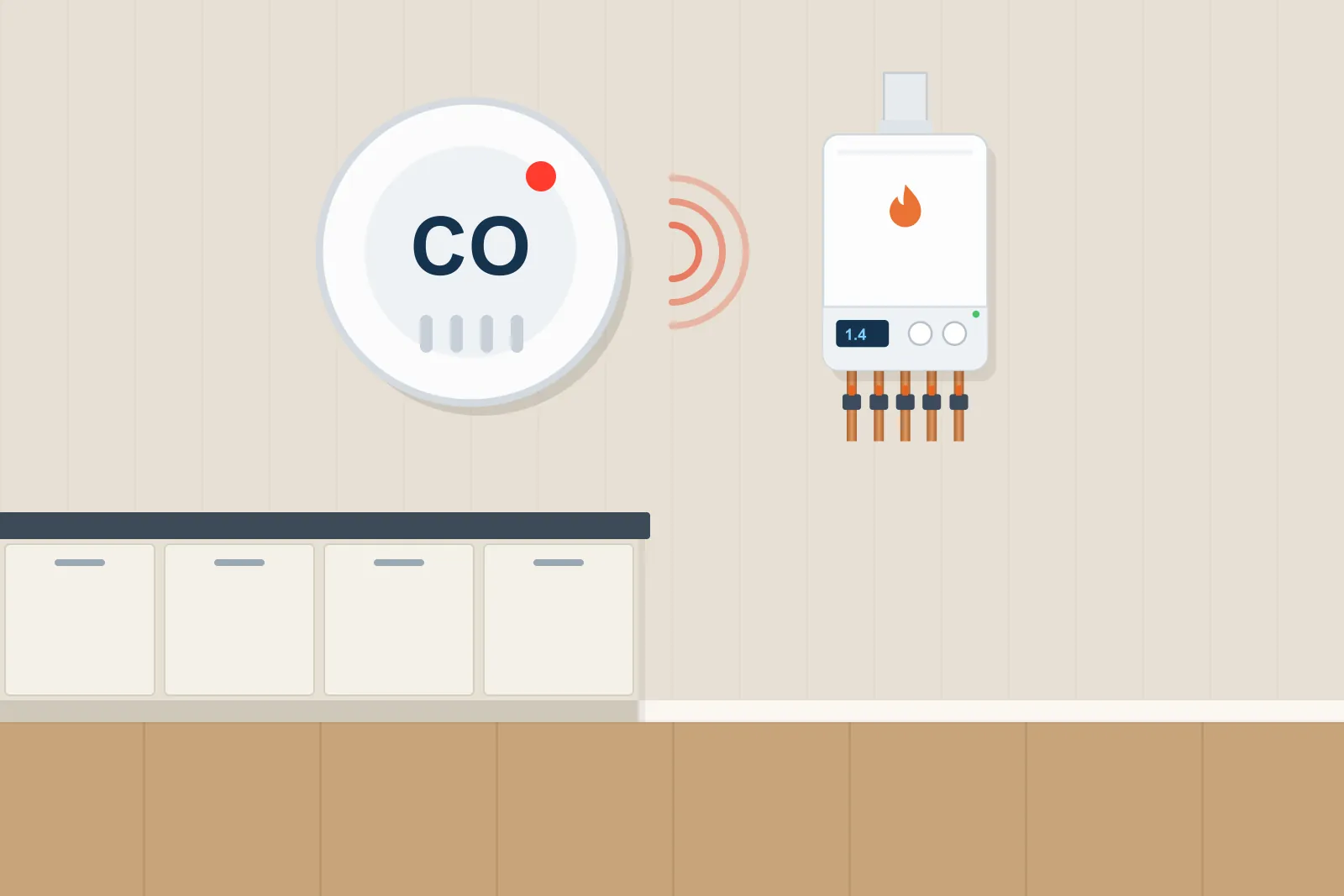
Warm air units must be serviced annually by a Gas Safe engineer qualified to work on warm air appliances, just like a boiler. A carbon monoxide alarm near the unit is essential. See carbon monoxide and boilers.
- Old units with poor efficiency and rising running costs
- Noisy fans or ducts
- Uneven heat between rooms
- Spare parts becoming hard to find for older models
- Dusty or dry air
- Fewer engineers familiar with warm air systems
Your options
| Option | Pros | Cons |
|---|---|---|
| Repair and maintain | Cheapest in the short term | Parts and expertise getting scarcer |
| Replace with a modern warm air unit | Keeps ducts; modern units are more efficient | Still gas, still dry air |
| Convert to a gas boiler and radiators | Familiar, easy to service, comfortable | Pipework and disruption |
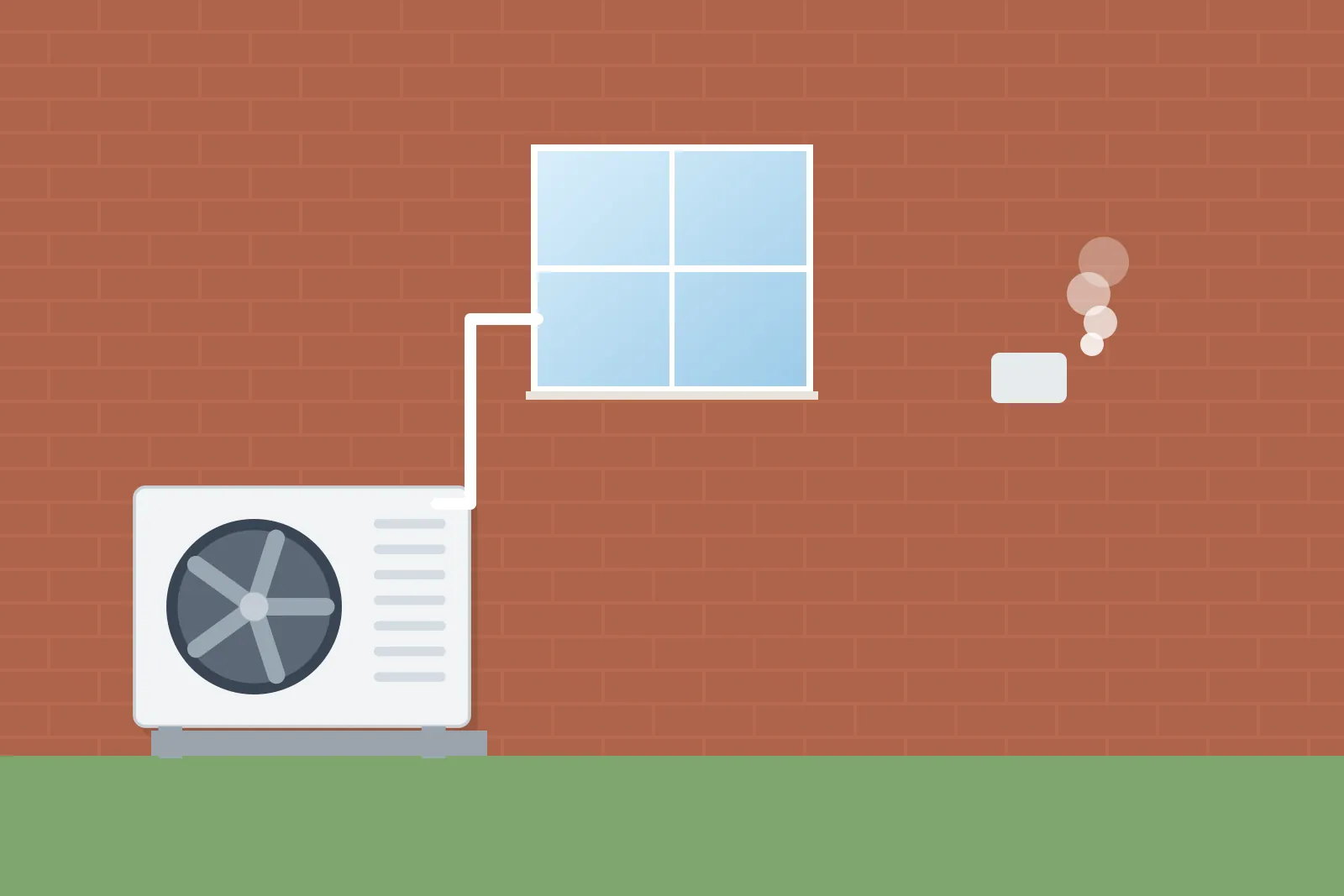
| Air-to-water heat pump with radiators | Low carbon, grants available | Needs radiators sized for lower temperatures |
| Air-to-air heat pump | Can reuse some ducting or use wall units | No hot water – separate solution needed |
Options for homes with warm air heating
Need a heating engineer?
Describe the job and compare free quotes from local heating engineers near you.
Free and no obligation. Quote requests are handled by our partner, Bark.
Converting to radiators
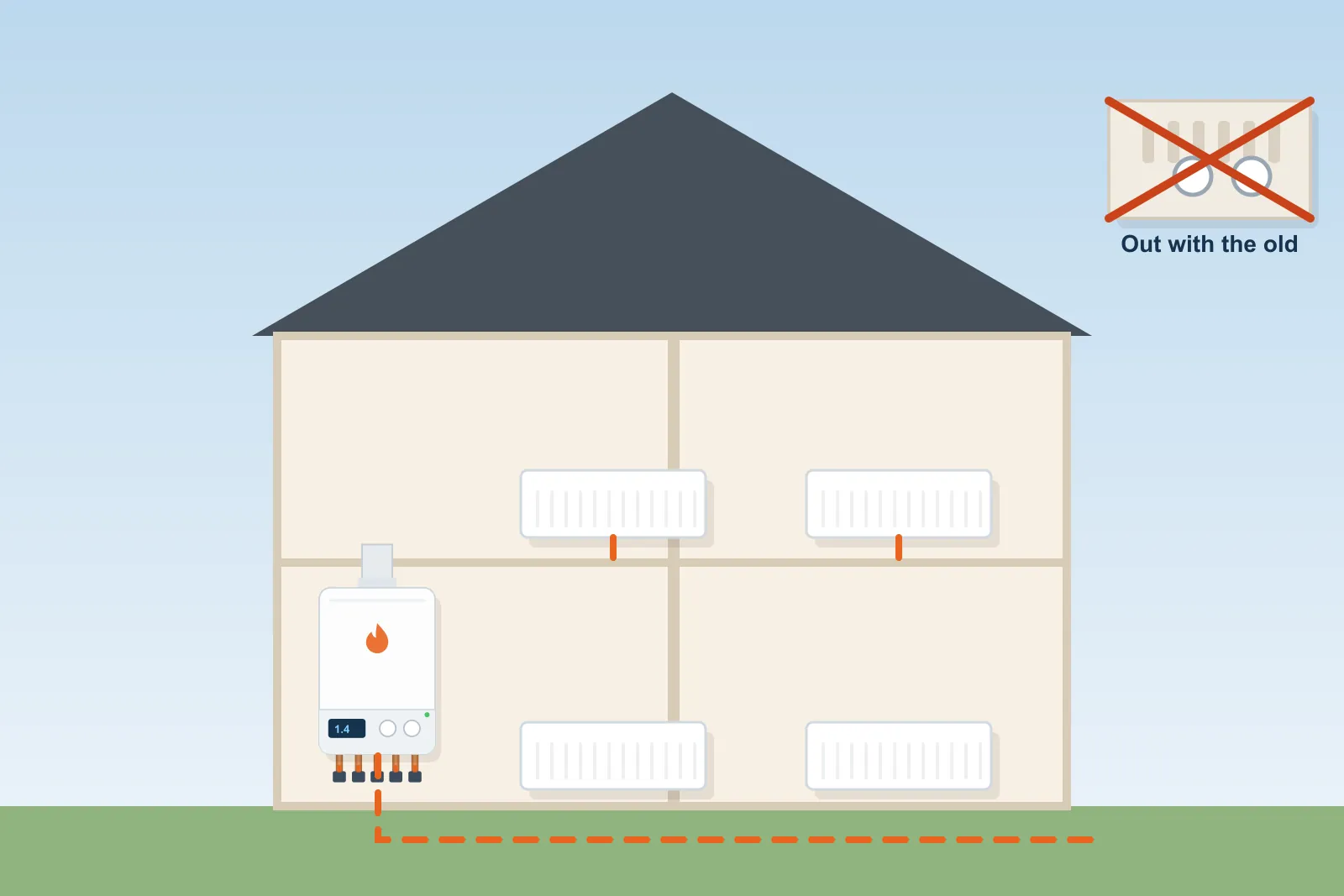
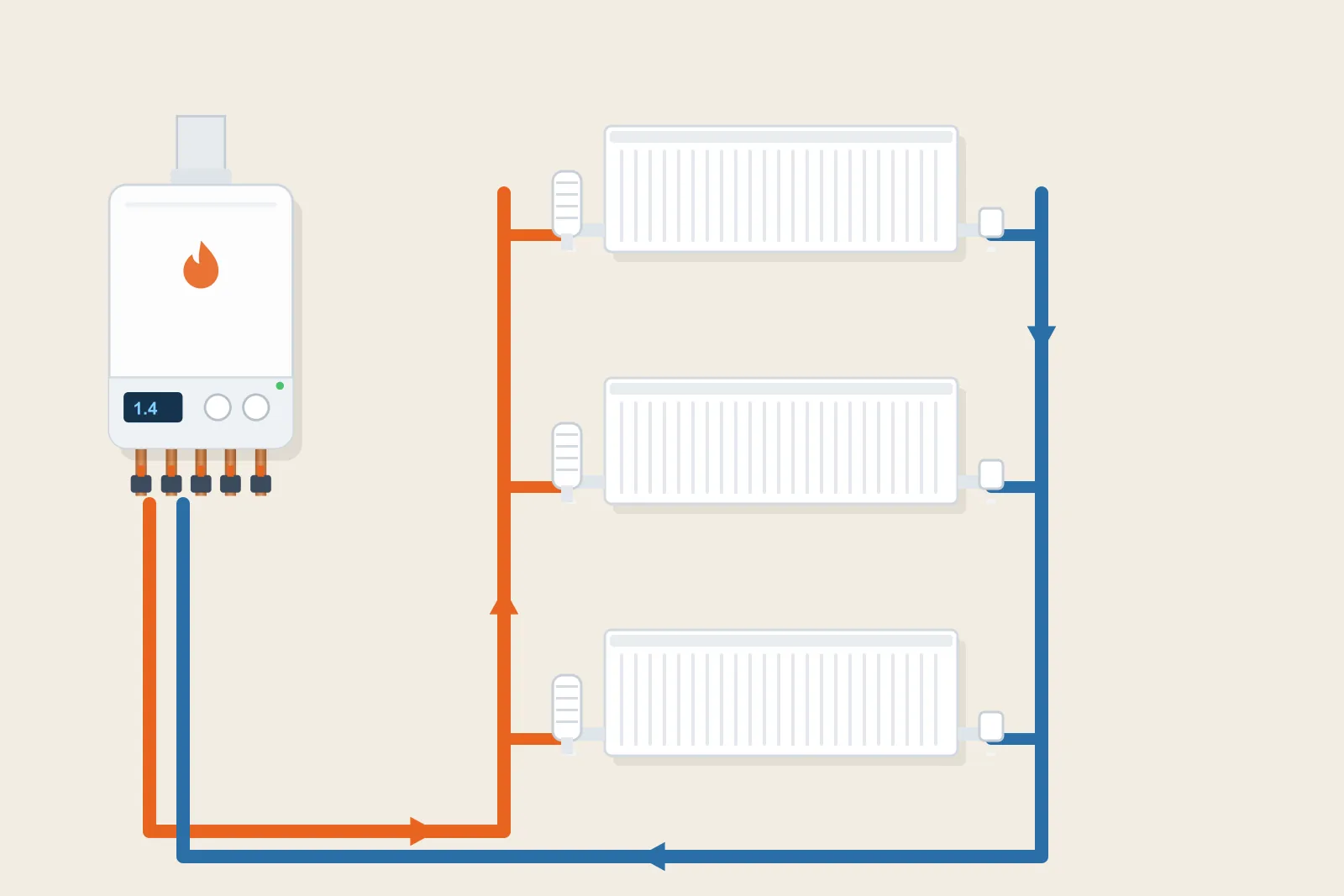
Switching to a wet system means fitting a boiler or heat pump, running new pipework to each room and fitting radiators. The old ducts and grilles are blocked off or removed. In many 1960s and 70s homes, suspended timber floors make running pipes relatively straightforward. Expect several days of work and some making good to floors and walls.
The result is usually quieter, more comfortable heat and more choice of engineers. See how central heating works and the cost to add central heating.
Typical costs
Find an engineer experienced with warm air via our heating engineers page, and compare quotes using comparing heating quotes.
| Job | Typical cost |
|---|---|
| Warm air unit service | £90 – £150 |
| Replace warm air unit like for like | £2,500 – £4,500 |
| Convert to gas combi and radiators (3-bed) | £5,000 – £8,500 |
| Convert to air source heat pump and radiators | £10,000 – £16,000 before grants |
Indicative warm air system costs (2026)