Why flue position matters
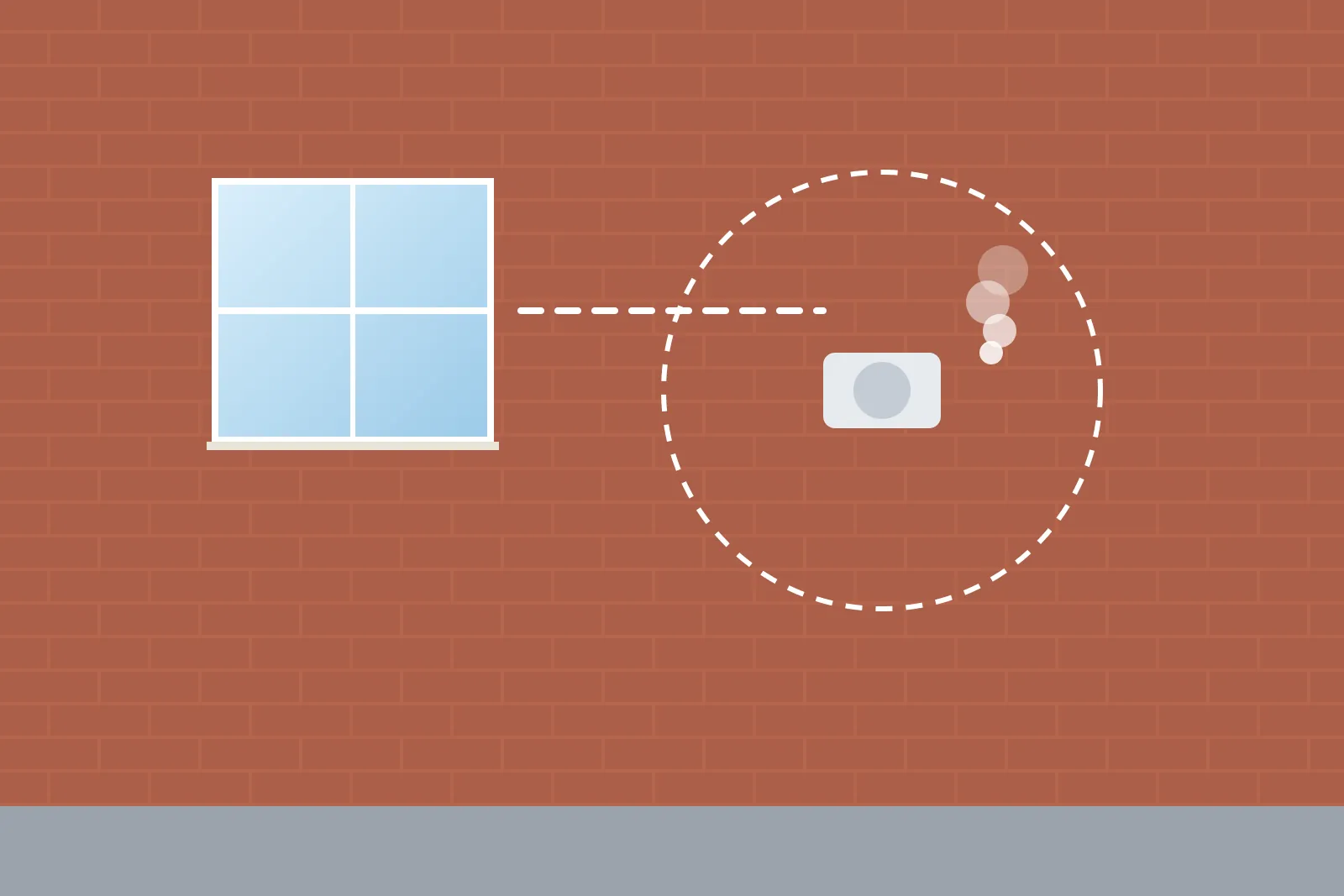
Flue gases must disperse safely without re-entering the home or affecting neighbours. Rules set minimum distances from openable windows, doors, air bricks, corners, gutters, boundaries and other features. The exact distances depend on the boiler and are set out in its installation instructions.
Common solutions
Where a simple wall flue won't comply, engineers may use:
- A plume management kit to direct vapour away from windows or neighbours
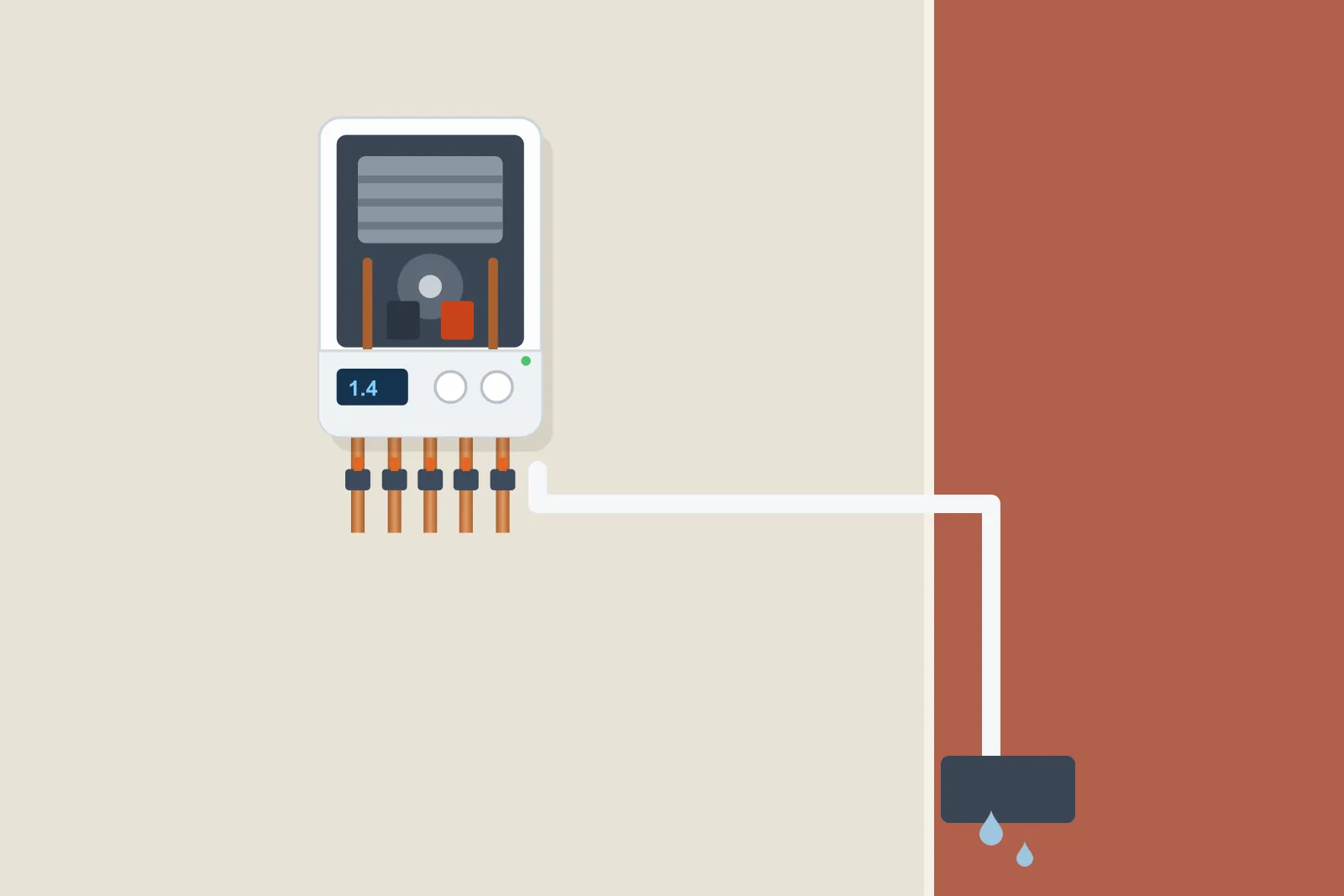
- A longer horizontal flue to a better position
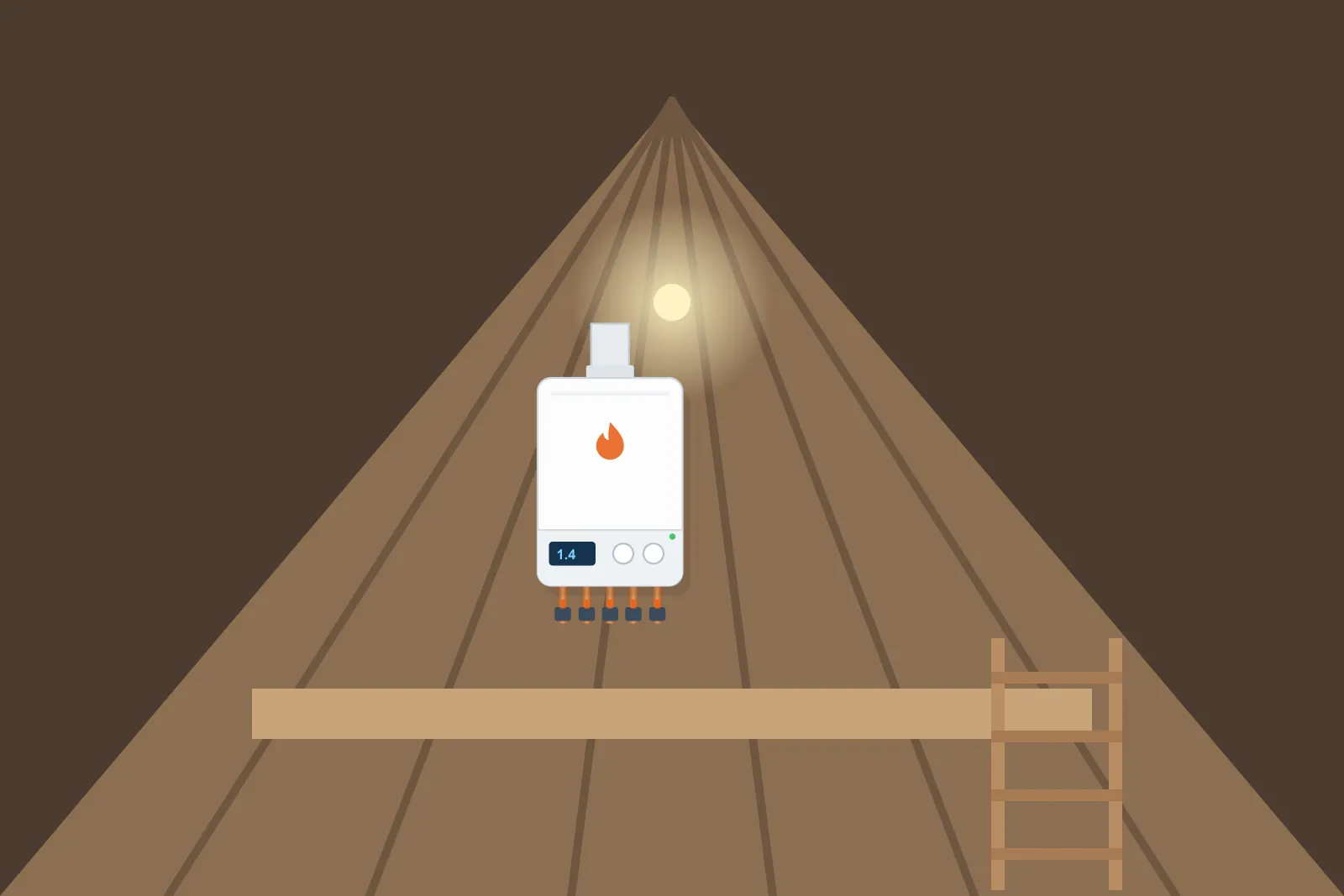
- A vertical flue through the roof
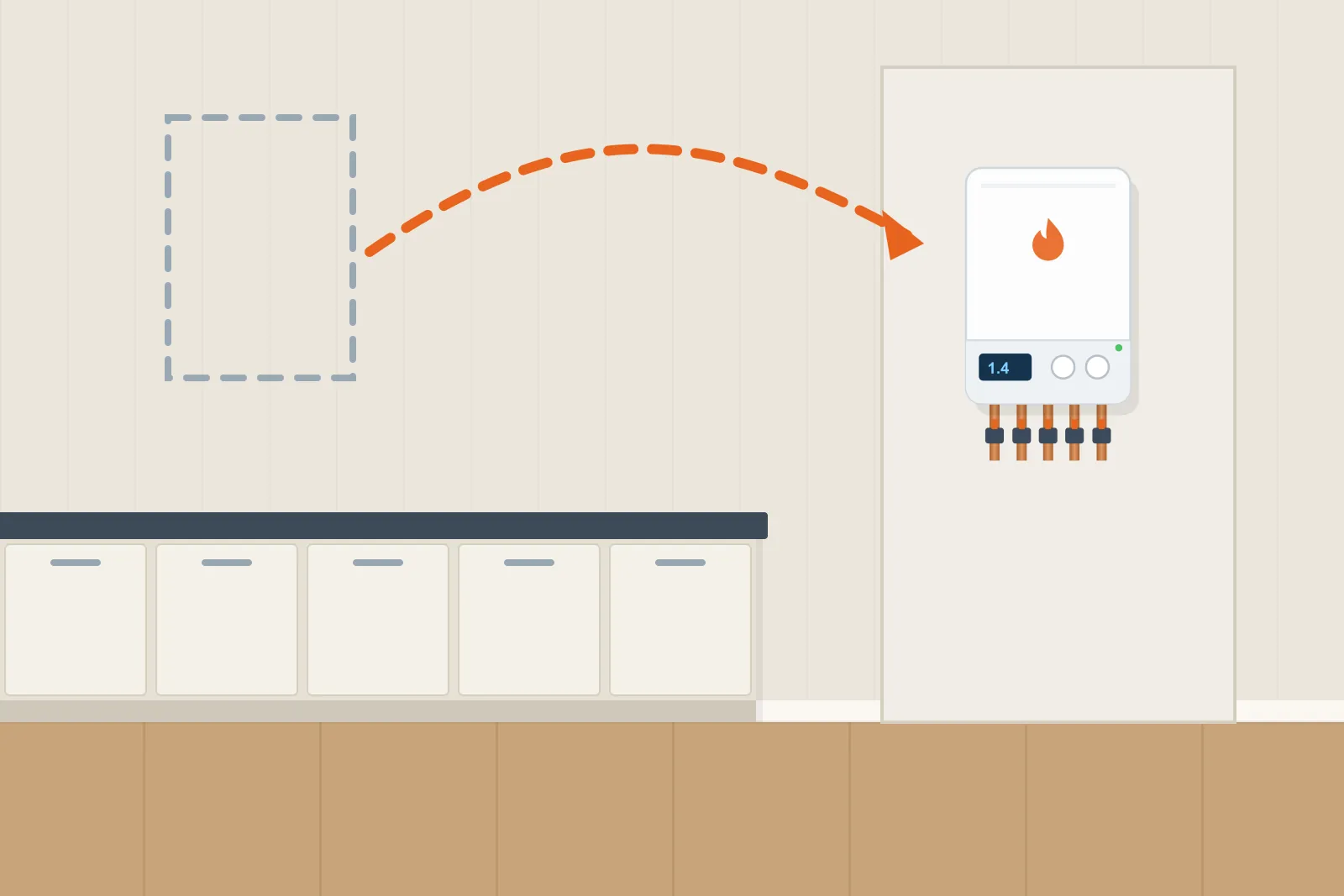
- A different boiler position altogether
Need a heating engineer?
Describe the job and compare free quotes from local heating engineers near you.
- Free to use
- No obligation
- Compare local engineers
- Quick online form
You'll continue to our quotes partner, MyJobQuote, to describe your heating job.
Old flues and new boilers
A flue position used for years may not meet current requirements, so replacing a boiler can mean changing the flue. A flue that runs inside voids or ceilings must have access for inspection.