Extending your central heating
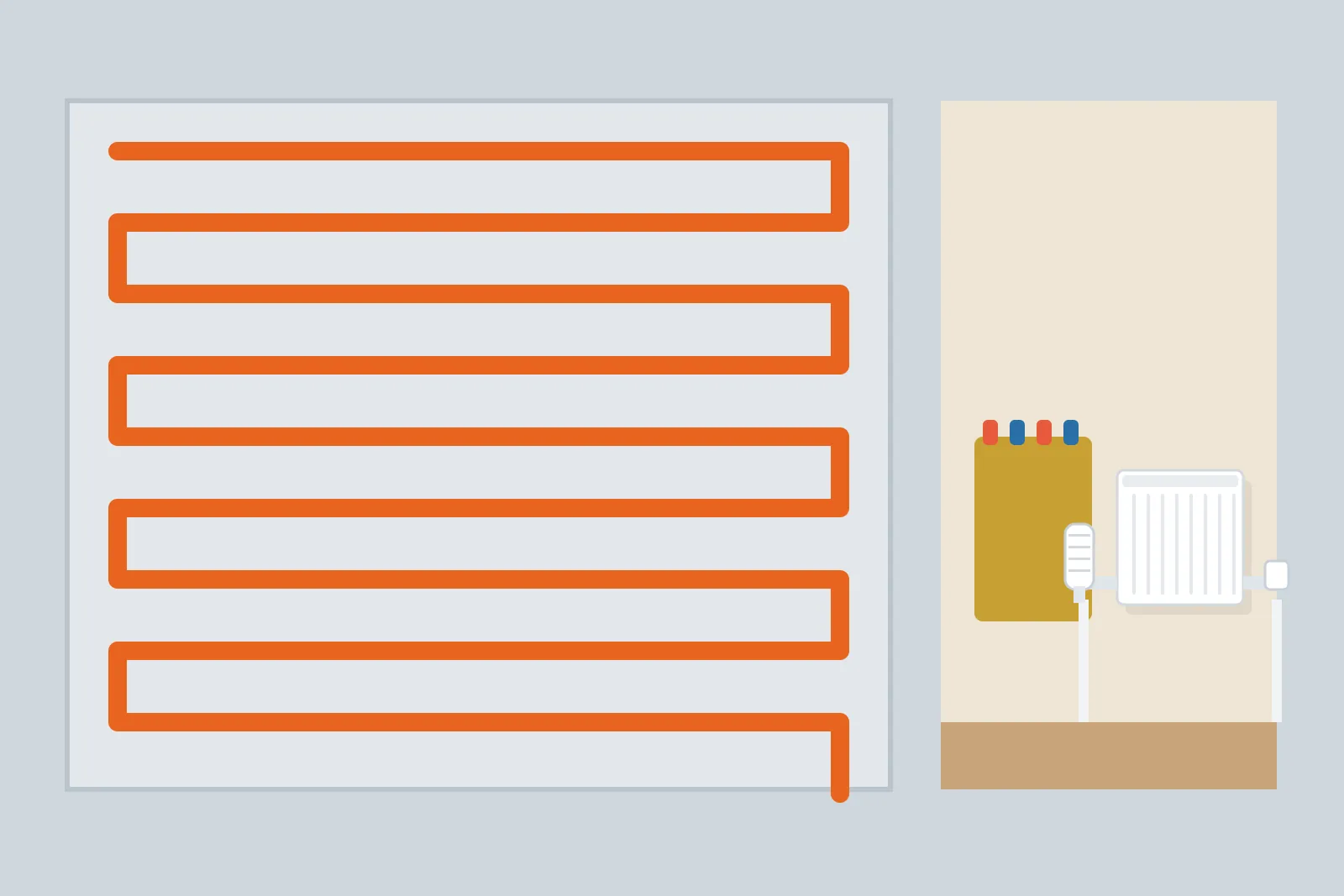
Most extensions are heated by adding radiators or underfloor heating to the existing system. An engineer will check that the boiler has enough spare output and that pipework can reach the new space without starving other rooms.
Glazed rooms need more heat
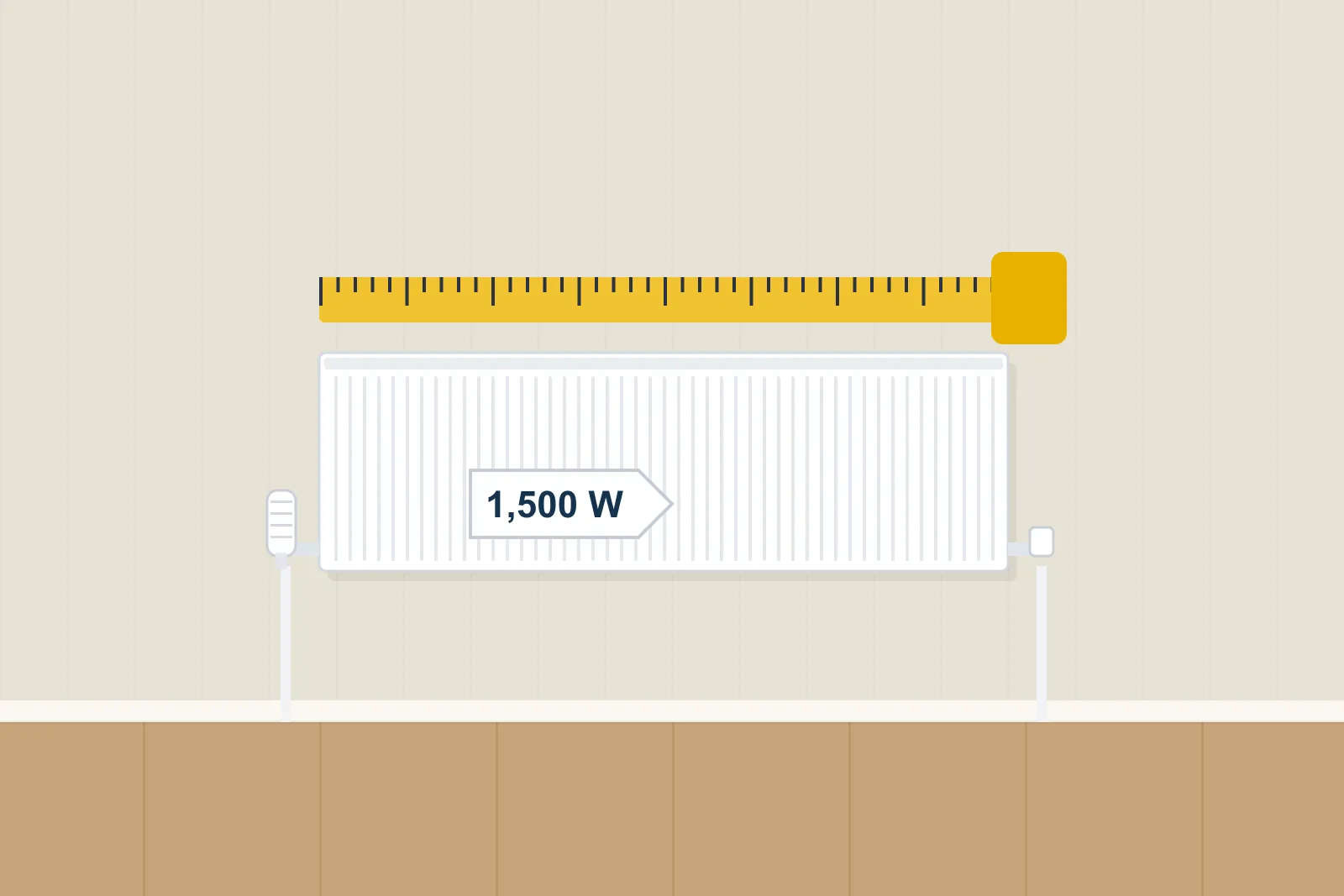
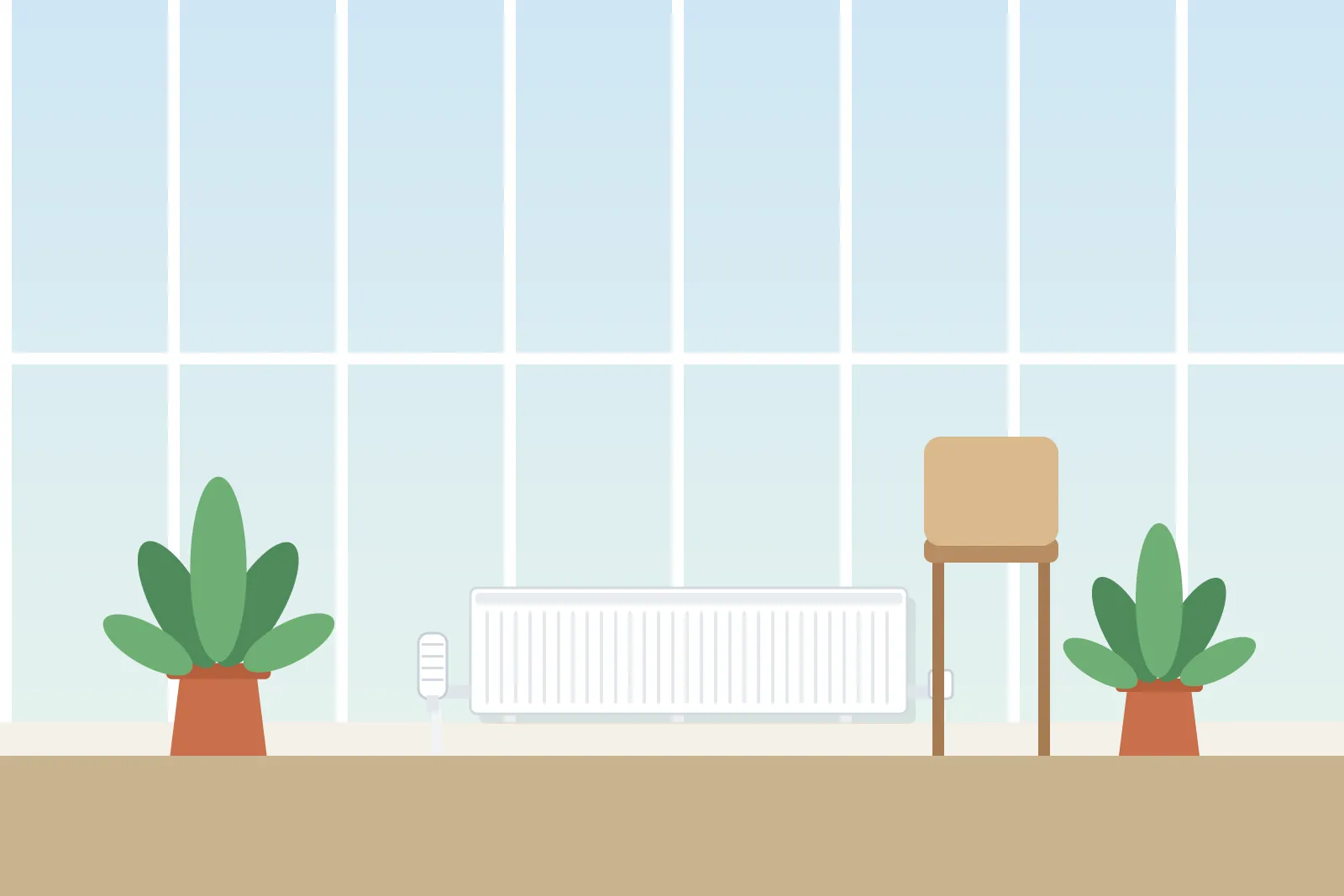
Bifold doors, roof lanterns and conservatory glass lose heat faster than walls. The radiator needed for a glazed extension is usually much larger than for a similar-sized room with solid walls. Underfloor heating is popular here because it doesn't take up wall space.
Need a heating engineer?
Describe the job and compare free quotes from local heating engineers near you.
- Free to use
- No obligation
- Compare local engineers
- Quick online form
You'll continue to our quotes partner, MyJobQuote, to describe your heating job.
Separate control
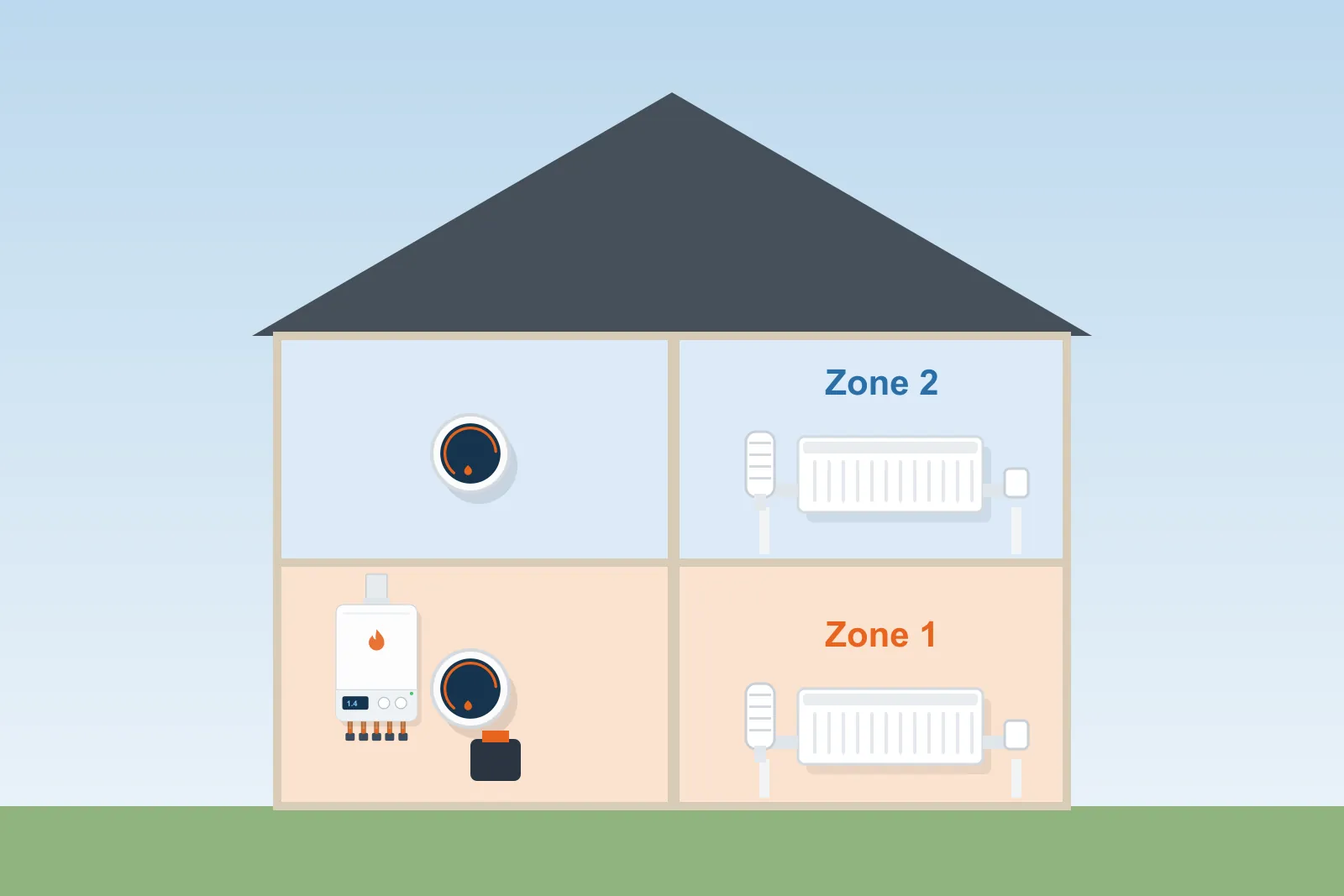
Consider separate control for the new space:
- A separate heating zone with its own thermostat
- Smart radiator valves for a single radiator
- Electric heating for occasional-use rooms or conservatories separated by external doors