What the condensate pipe does
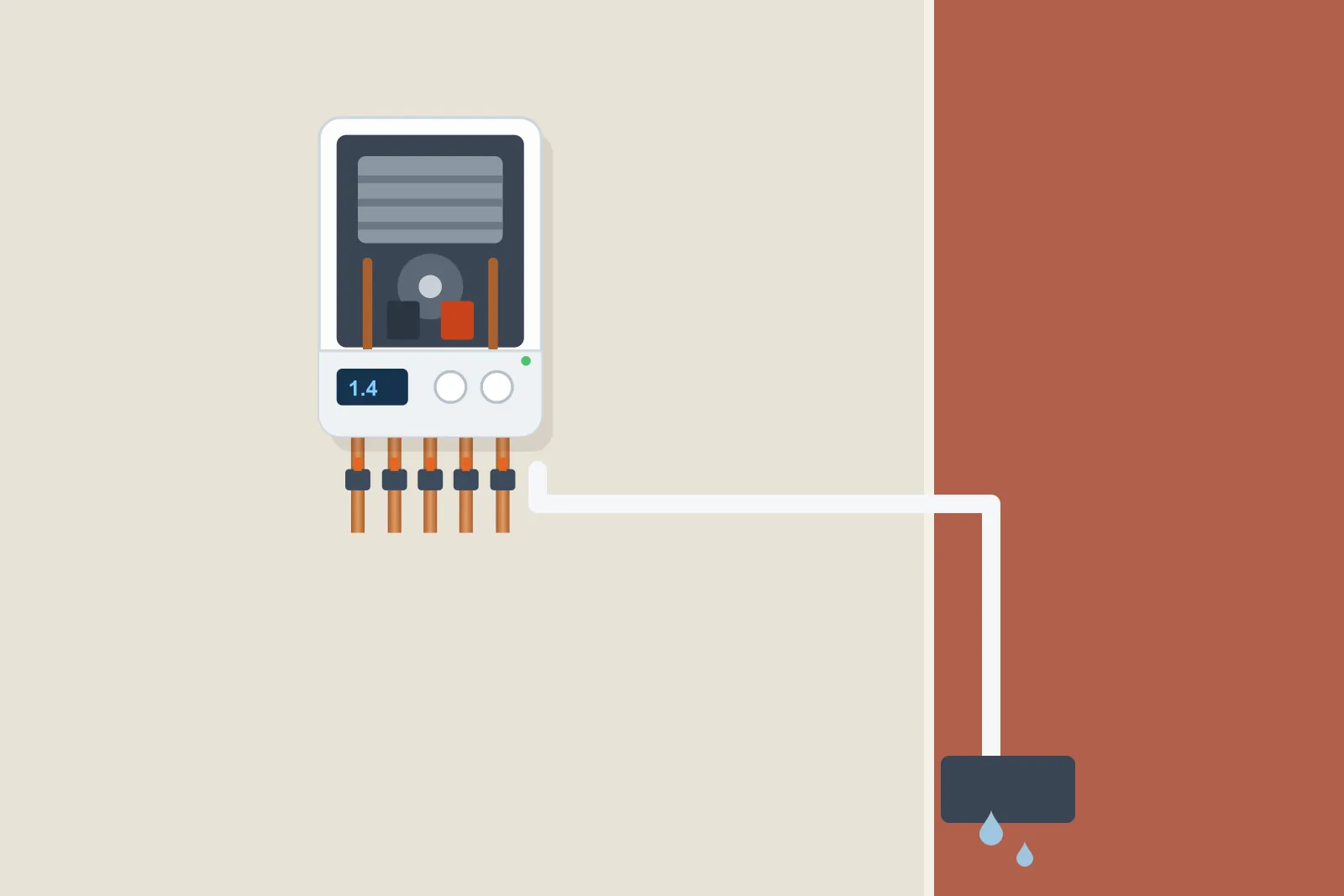
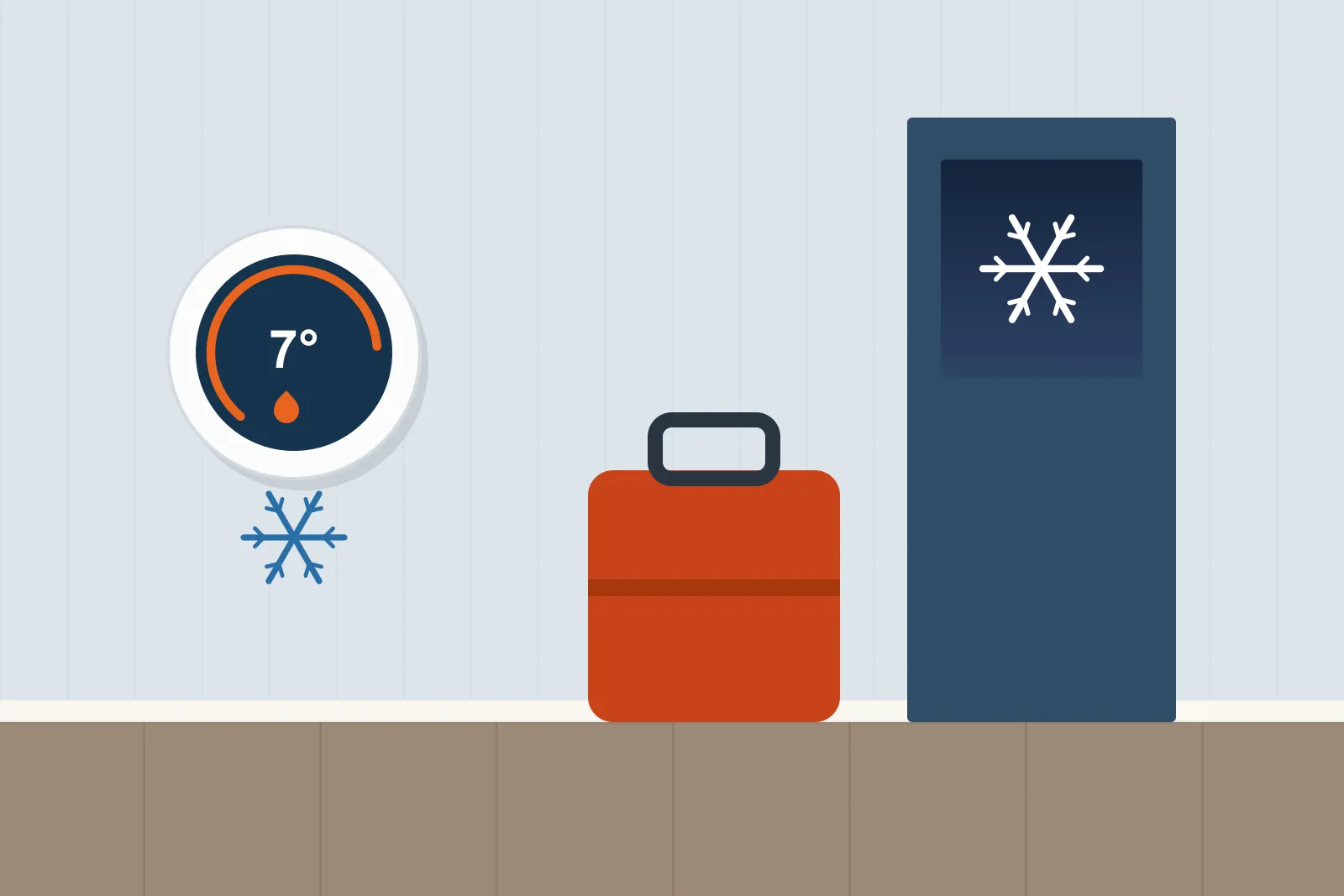
Modern condensing boilers recover heat from the exhaust gases, which produces slightly acidic water called condensate. A plastic pipe – usually white or grey, about 21–32mm wide – carries it away to a drain. Where that pipe runs outside, the slow trickle of water can freeze in cold weather and block it. The boiler senses the blockage and shuts down to protect itself.
Signs it's frozen
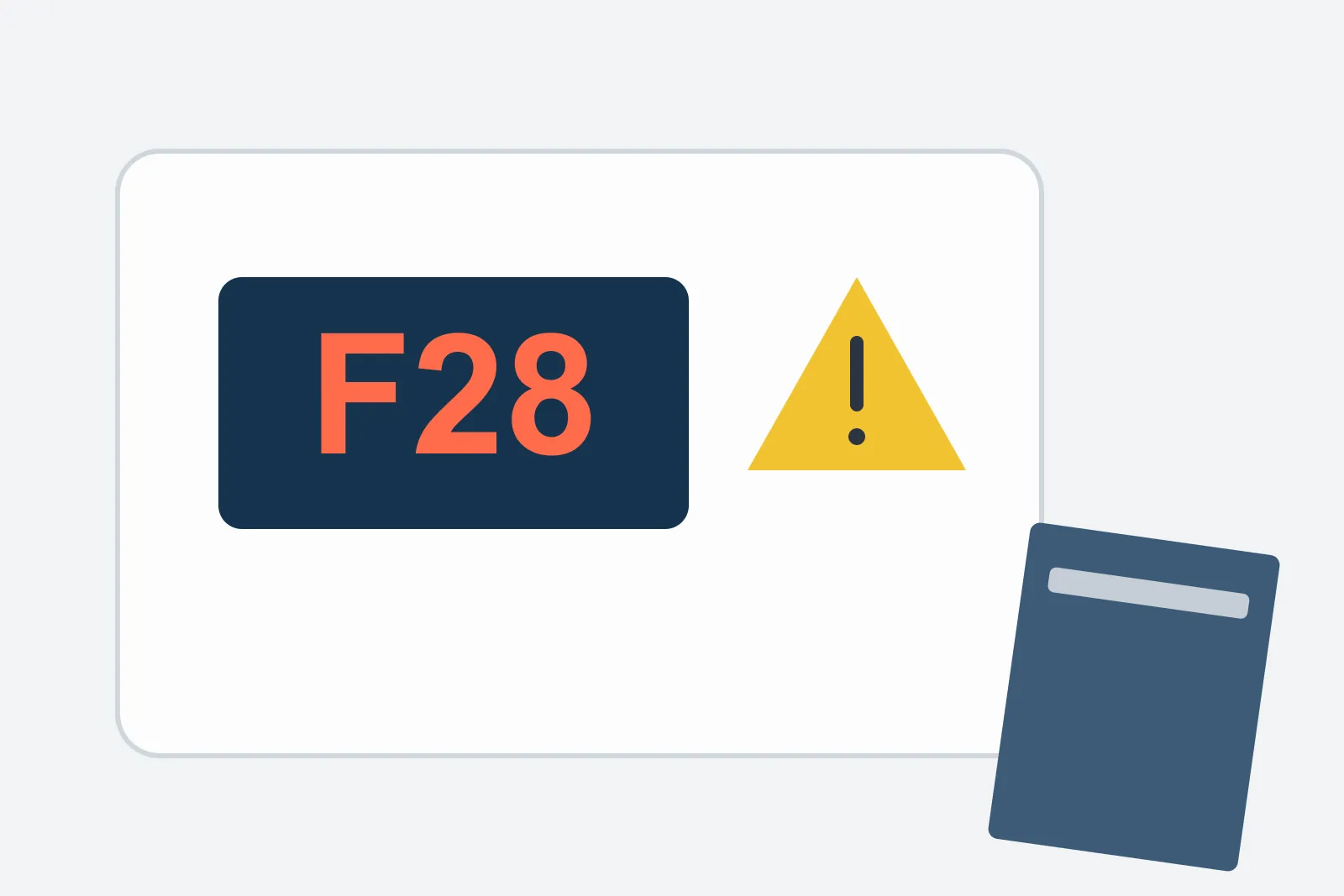
Check your boiler manual for the specific code. See boiler fault codes.
- The boiler stops working during or after a cold snap
- A fault code on the display, often relating to the flame or condensate
- Gurgling noises from the boiler or pipe
- The boiler restarts, then locks out again
- Ice visible at the end of the pipe outside
How to thaw it safely
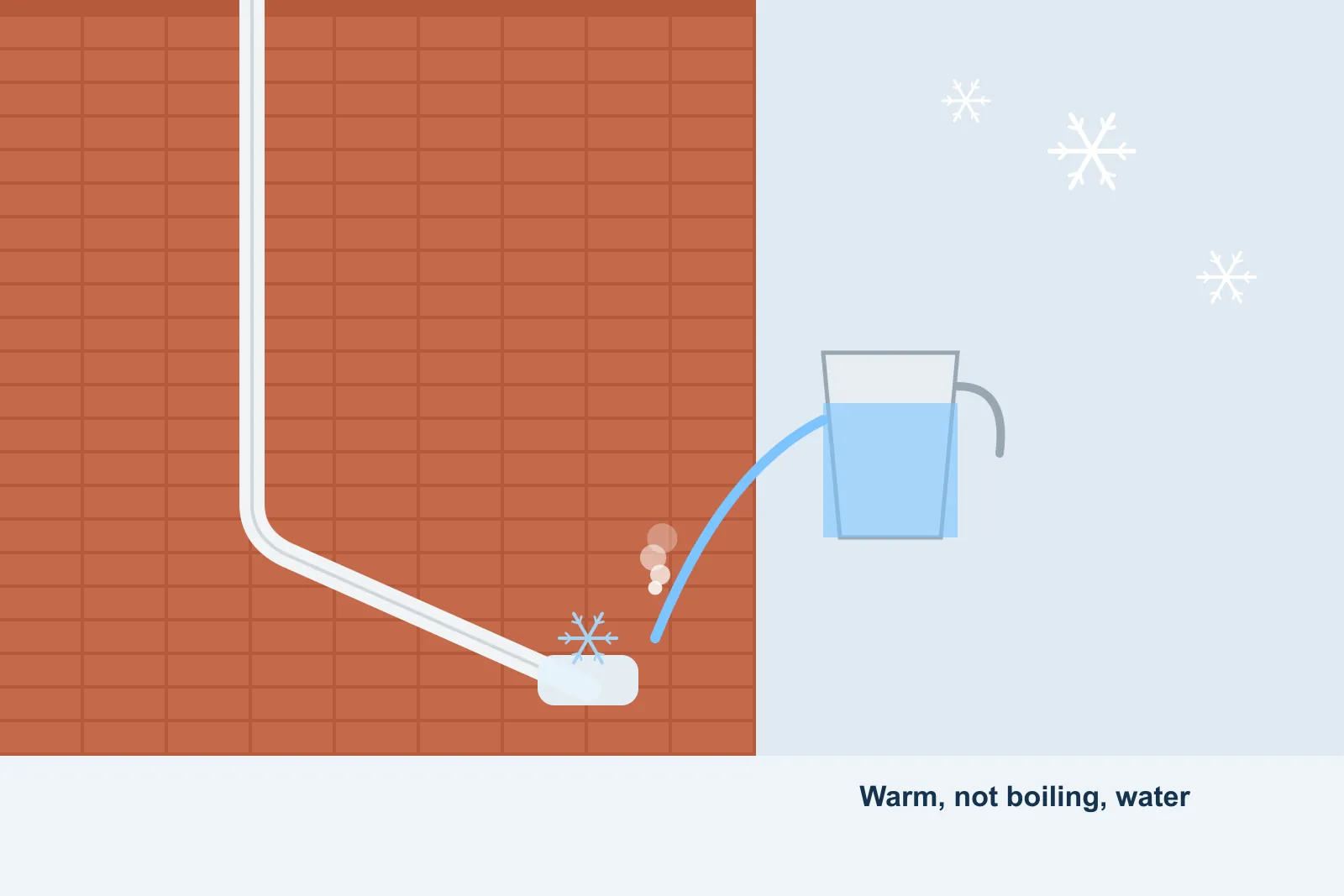
Find where the condensate pipe leaves the house and follow it to the end. The blockage is usually at the lowest, most exposed point, or at the open end. Then:
- Pour warm water – not boiling – over the pipe, working from the end back towards the house
- Or hold a hot water bottle or microwavable heat pack against it
- Repeat until you hear the ice clear or water runs out of the end
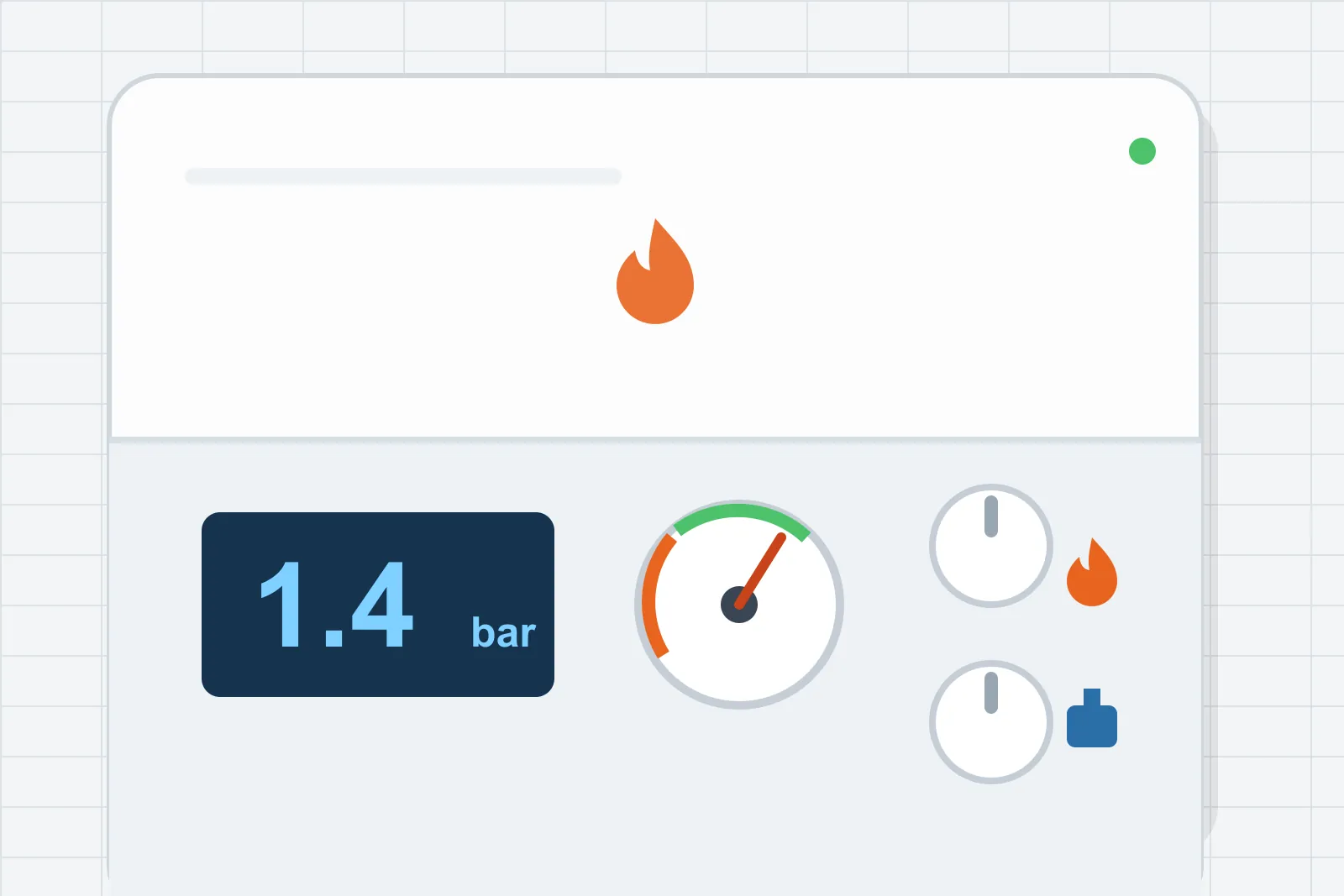
- Reset the boiler following the manufacturer's instructions
- Don't use boiling water – it can crack plastic pipe and burn you
- Don't climb to reach a high pipe – call an engineer instead
Need a heating engineer?
Describe the job and compare free quotes from local heating engineers near you.
Free and no obligation. Quote requests are handled by our partner, Bark.
Permanent fixes
If your pipe freezes every winter, it was probably installed without enough thought for frost. Current guidance favours internal routes to a drain, larger-diameter external pipe (at least 32mm), the shortest possible external run, a steep fall and proper insulation. Other options include rerouting the pipe internally, fitting trace heating or installing a siphon trap that discharges condensate in bursts so it's less likely to freeze.
| Job | Typical cost |
|---|---|
| Insulate external condensate pipe | £50 – £120 |
| Upgrade external run to 32mm pipe | £100 – £250 |
| Reroute condensate pipe internally | £150 – £400 |
| Trace heating on external pipe | £150 – £300 |
| Engineer call-out to thaw and reset | £80 – £150 |
Indicative condensate pipe fix costs (2026)
When to call an engineer
Call a Gas Safe engineer if you can't find or safely reach the pipe, the boiler doesn't restart after thawing, or the problem keeps returning. For other cold-weather tips, see heating while away and frost protection and common boiler problems.