Insulate before you heat
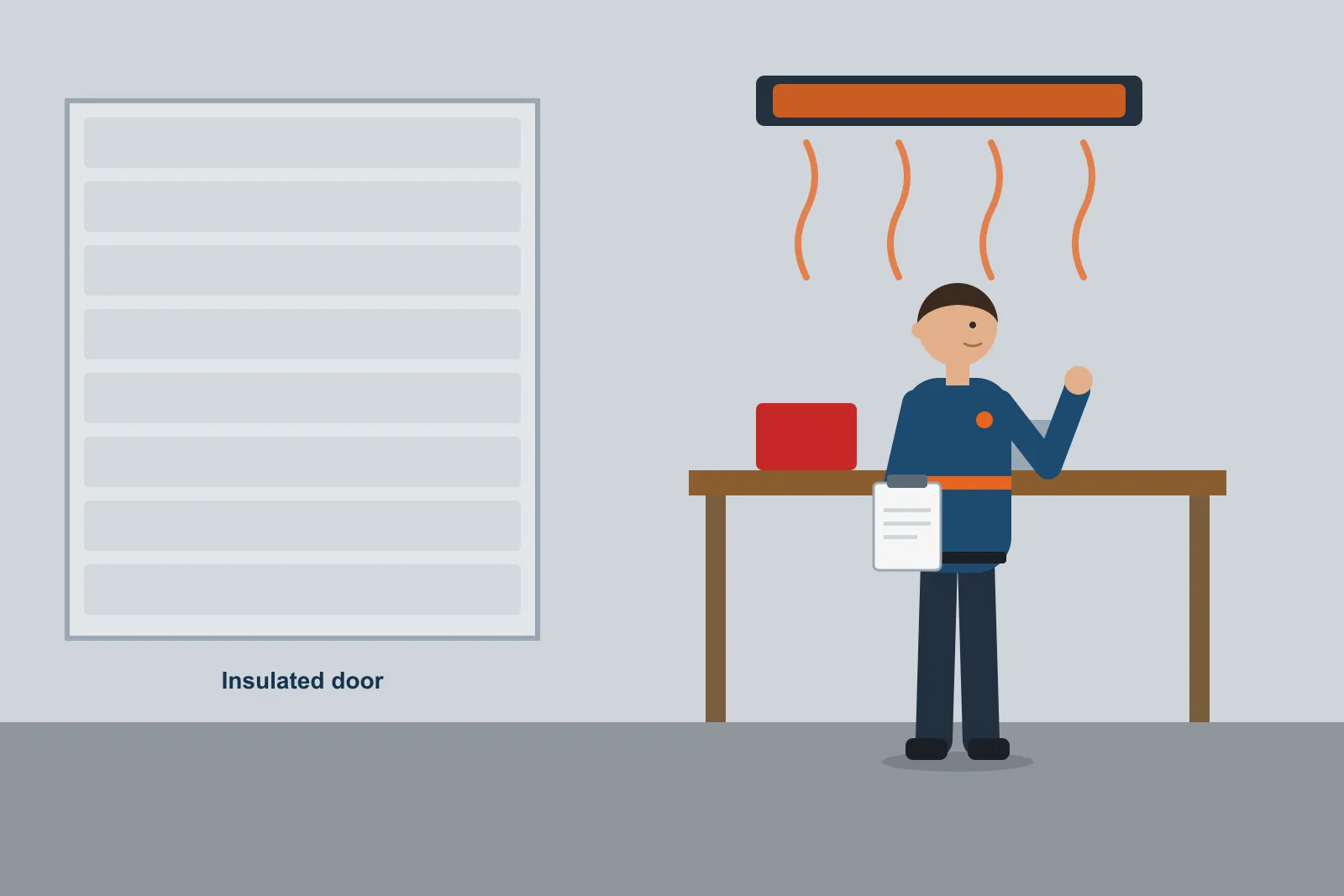
A single-skin brick or block garage with an up-and-over door loses heat almost as fast as you put it in. Before spending money on heating, it's worth tackling the biggest heat losses: insulating the roof, sealing gaps around the door, fitting an insulated garage door or draught brush, and insulating walls if you're converting the space. Even partial insulation makes heating far more effective.
If you're converting a garage into a habitable room, Building Regulations apply to insulation, ventilation and heating. See heating an extension or conservatory.
The main options
| Option | Best for | Notes |
|---|---|---|
| Electric fan or oil-filled heater | Occasional use, small spaces | Cheap to buy, expensive to run for long periods |
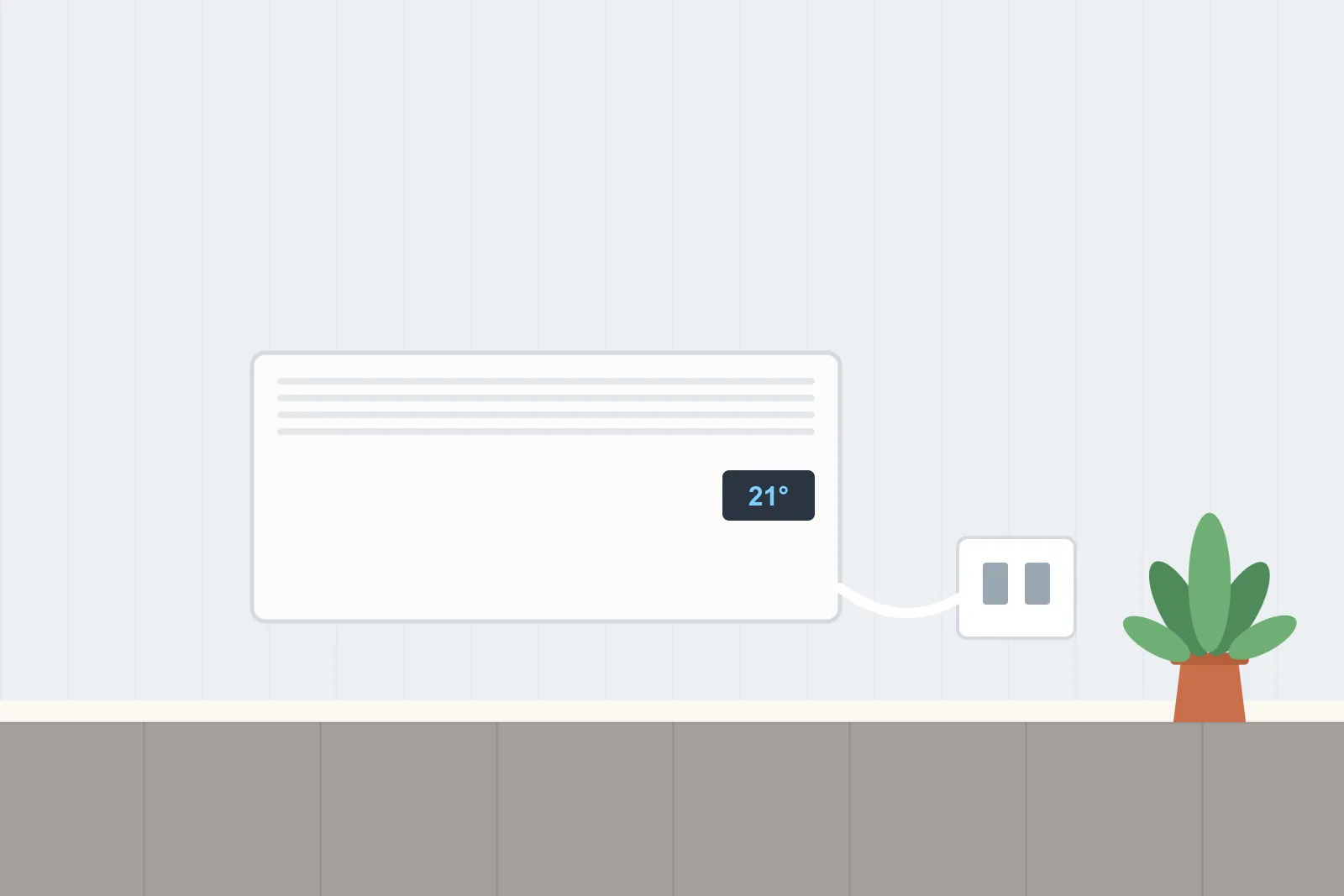
| Wall-mounted electric panel heater | Regular light use | Thermostat control, frost protection setting |
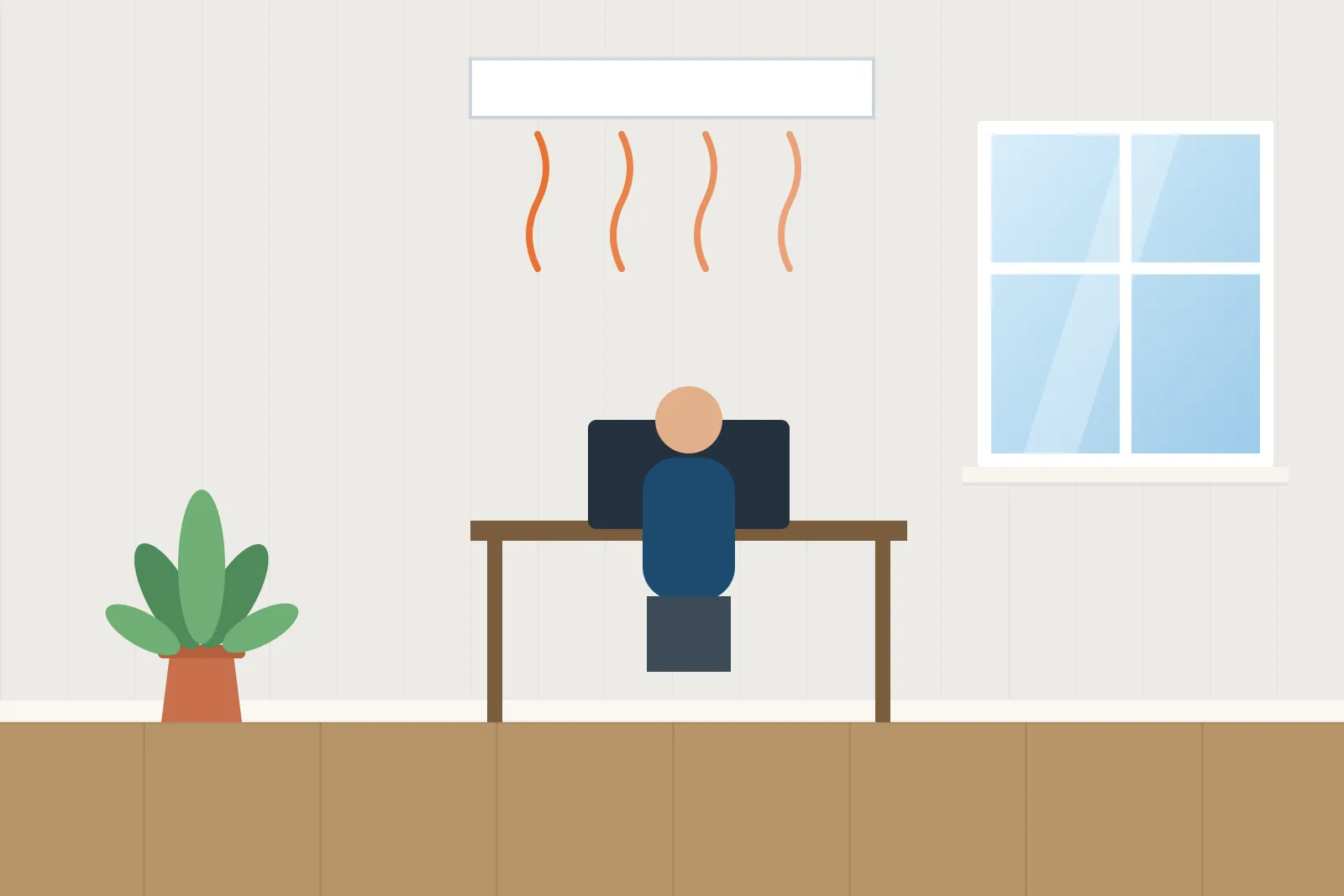
| Infrared heater or panel | Workshops, warming you at the bench | Heats people directly, quick to feel |
| Radiator off the central heating | Attached garages near the boiler | Cheap to run; frost risk if heating is off |
| Air-to-air heat pump (split unit) | Workshops used often, home gyms | Efficient; also cools in summer |
| Wood-burning stove | Detached workshops | Needs proper flue, hearth and clearances |
Heating options for garages and workshops
Workshops and dust
If you're doing woodwork or metalwork, avoid heaters with exposed elements or flames near sawdust, solvents or flammable materials. Infrared panels mounted high, oil-filled radiators and heat pump units are safer choices. Any portable gas or paraffin heater in an enclosed space needs proper ventilation, and a carbon monoxide alarm is essential.
Need a heating engineer?
Describe the job and compare free quotes from local heating engineers near you.
Free and no obligation. Quote requests are handled by our partner, Bark.
Frost protection
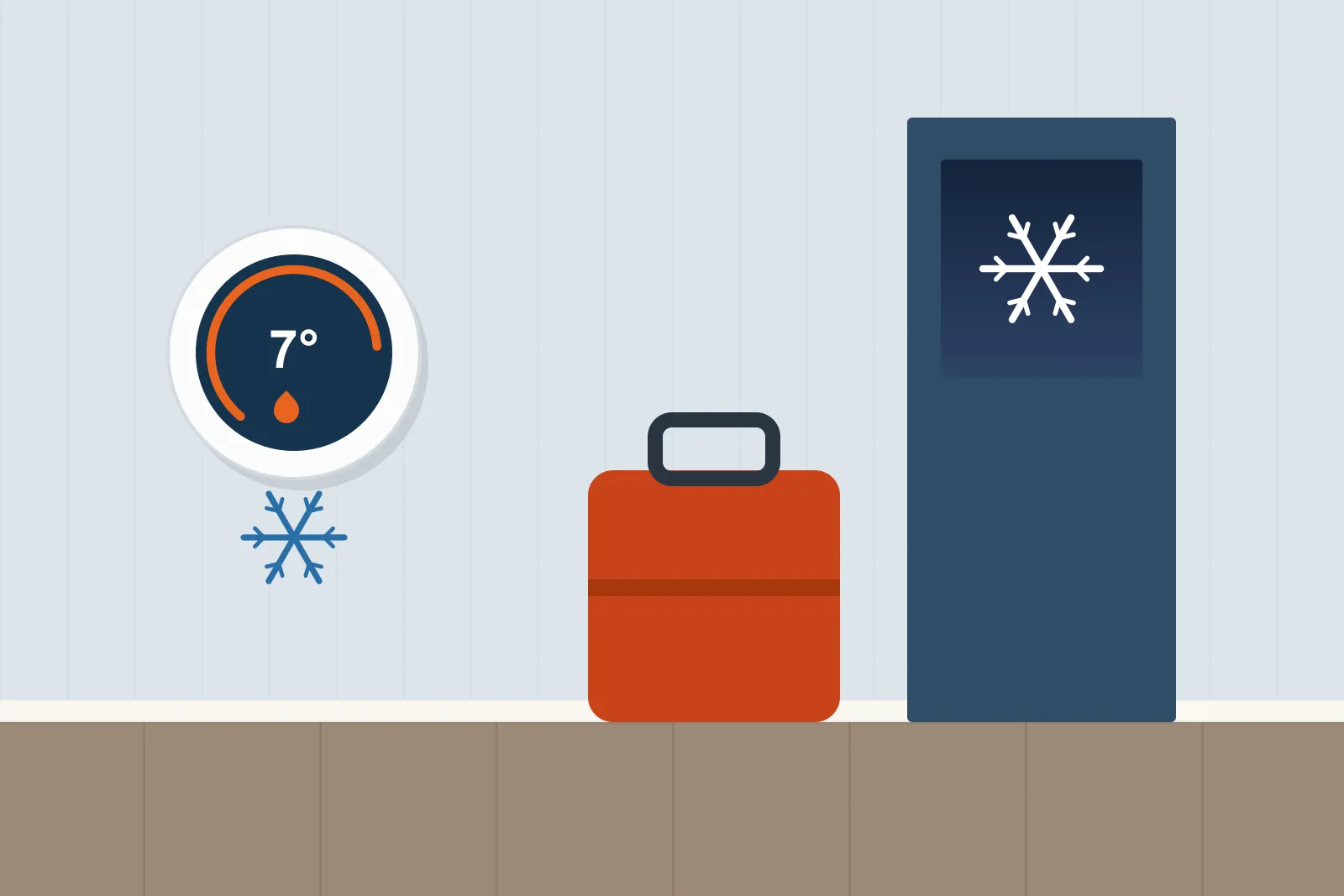
If the garage contains a washing machine, freezer, water pipes or a boiler, keep it above freezing in winter. A small thermostatic frost-protection heater, pipe lagging and draught-proofing are usually enough. See heating while away and frost protection.
Typical costs
Electric heaters need a suitable power supply – a dedicated circuit may be needed for larger units. For advice and quotes, speak to local heating engineers or see our guide to infrared heating panels.
| Item | Typical cost |
|---|---|
| Wall-mounted electric panel heater (fitted) | £200 – £500 |
| Ceiling infrared heater (fitted) | £250 – £600 |
| Radiator added to central heating | £300 – £700 |
| Air-to-air heat pump (single split unit) | £1,500 – £3,500 |
| Insulated garage door | £1,000 – £2,500 |
Indicative garage heating costs (2026)