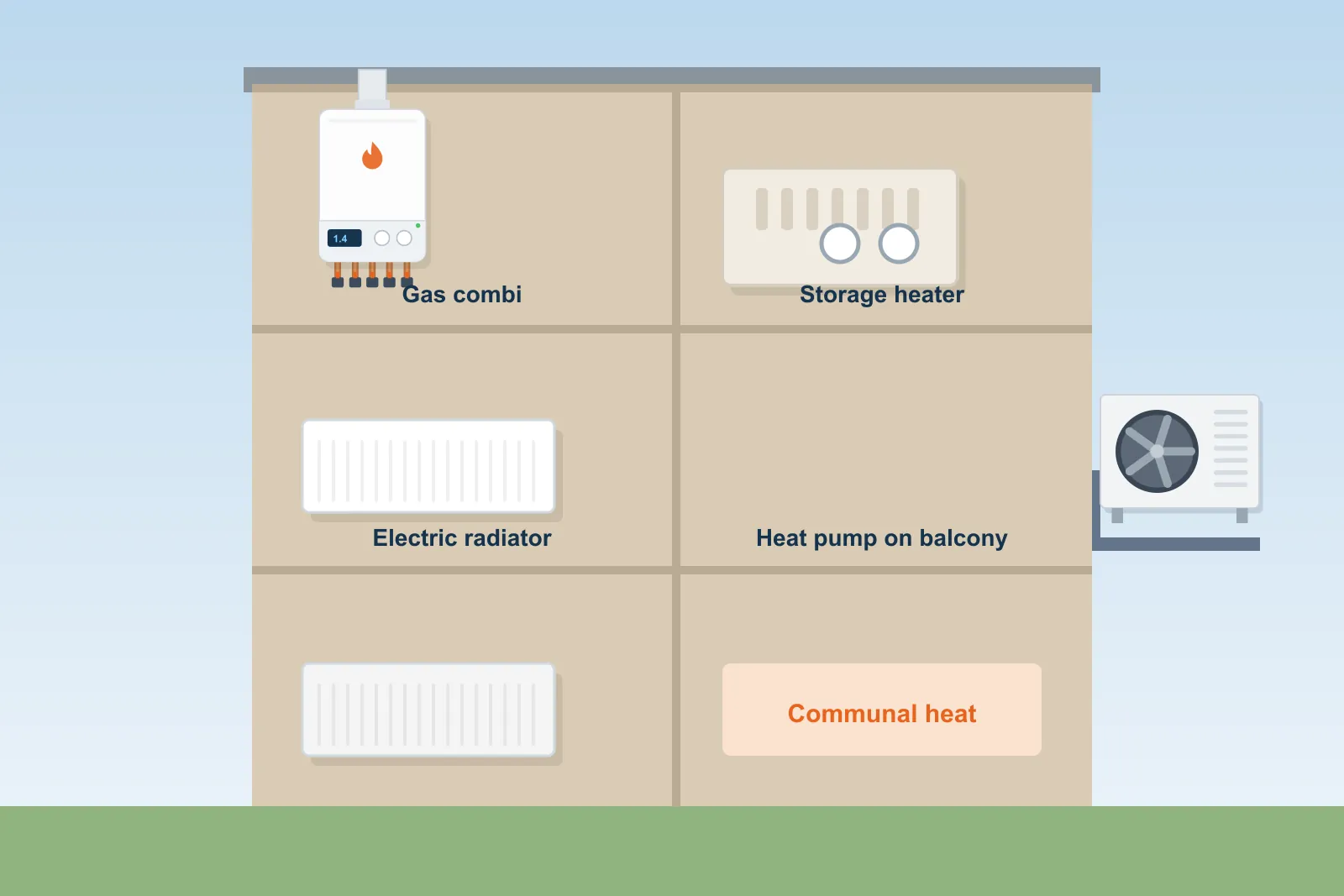
How flats are usually heated
Most UK flats use one of four set-ups. Gas combi boilers are common in converted houses and low-rise blocks with gas supplies. Electric storage heaters or panel heaters are common in purpose-built blocks, especially higher-rise ones where gas isn't allowed. Communal or district heating, where a central plant serves the whole building, is increasingly common in new developments. And a smaller number of flats now use heat pumps, either individual units or shared systems.
Your current system usually shapes what's practical. Switching from electric to gas, for example, means getting a gas supply into the flat and a flue out of it – often impossible in a high-rise block.
| System | Good for | Watch out for |
|---|---|---|
| Gas combi boiler | Flats with gas supply and an outside wall | Flue position rules, annual servicing |
| Modern storage heaters | All-electric flats on off-peak tariffs | Needs the right tariff to be cheap |
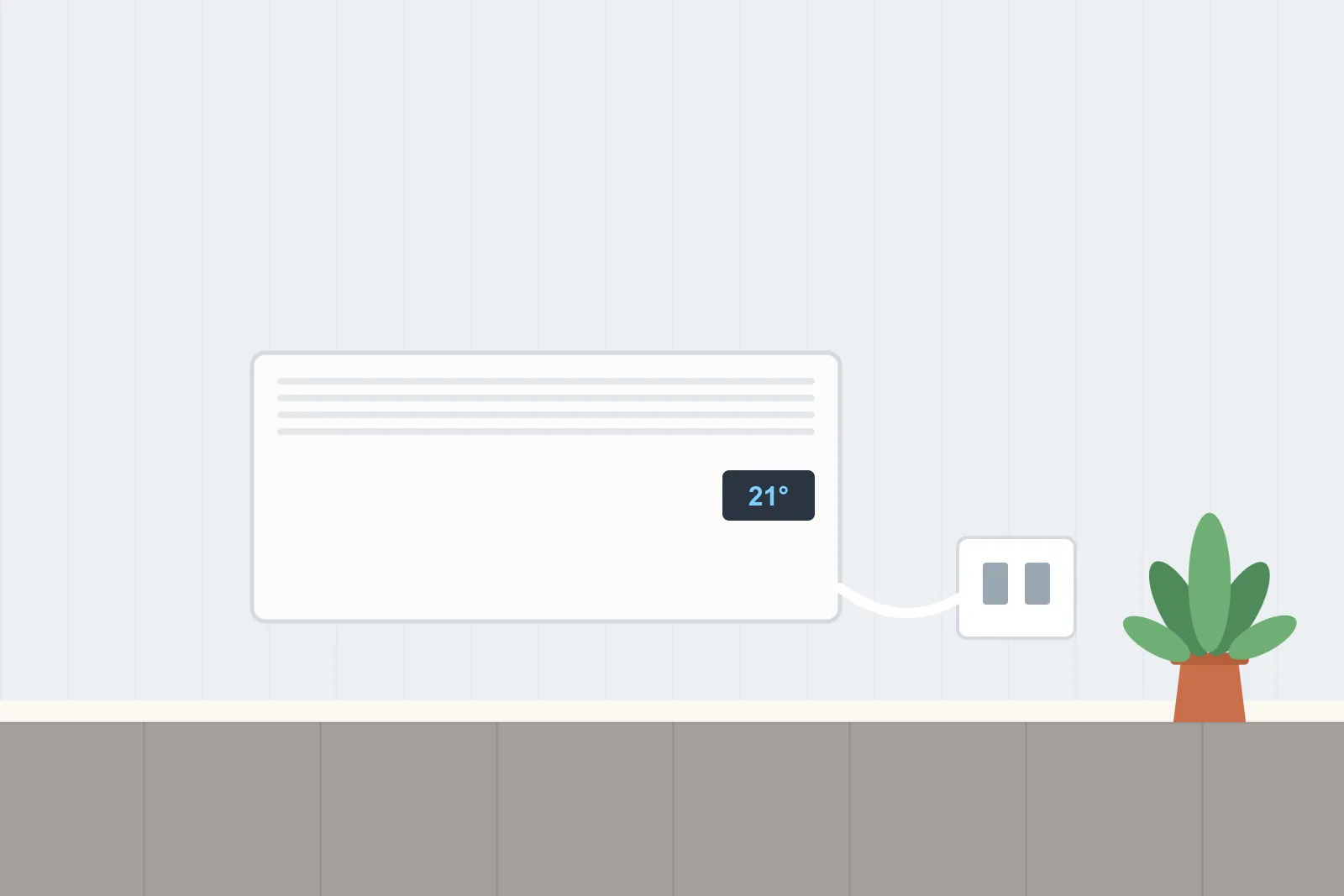
| Electric panel radiators | Small flats, occasional use | High running costs on standard tariffs |
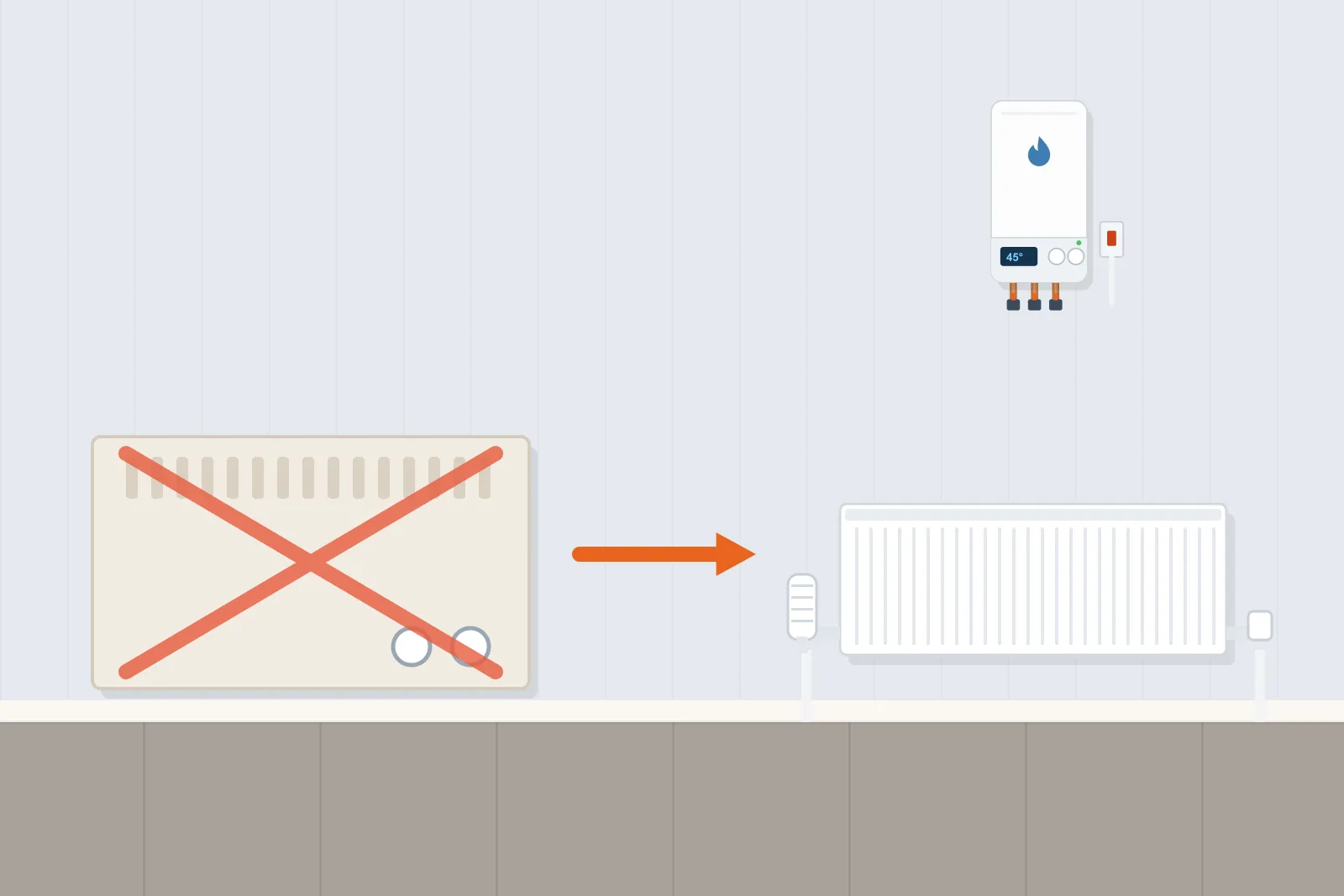
| Electric combi or system boiler | Flats wanting 'wet' radiators without gas | Running costs; supply capacity |
| Air-to-water heat pump | Flats with a balcony or outdoor space | Lease and planning consent, noise |
| Communal or district heating | New-build blocks | Charges set by the operator |
Common heating options for flats
Check your lease before changing anything
If you own a leasehold flat, the lease will usually say what you can alter without consent. Heating changes that involve the structure, external walls, flues, the gas supply or the roof generally need the freeholder's permission. Fitting an outdoor heat pump unit or a new flue terminal almost always does. Some leases also restrict noise-making equipment.
Ask the freeholder or managing agent early. They may need drawings, a method statement and your installer's details, and they may charge a fee for considering the request.
Gas boilers in flats
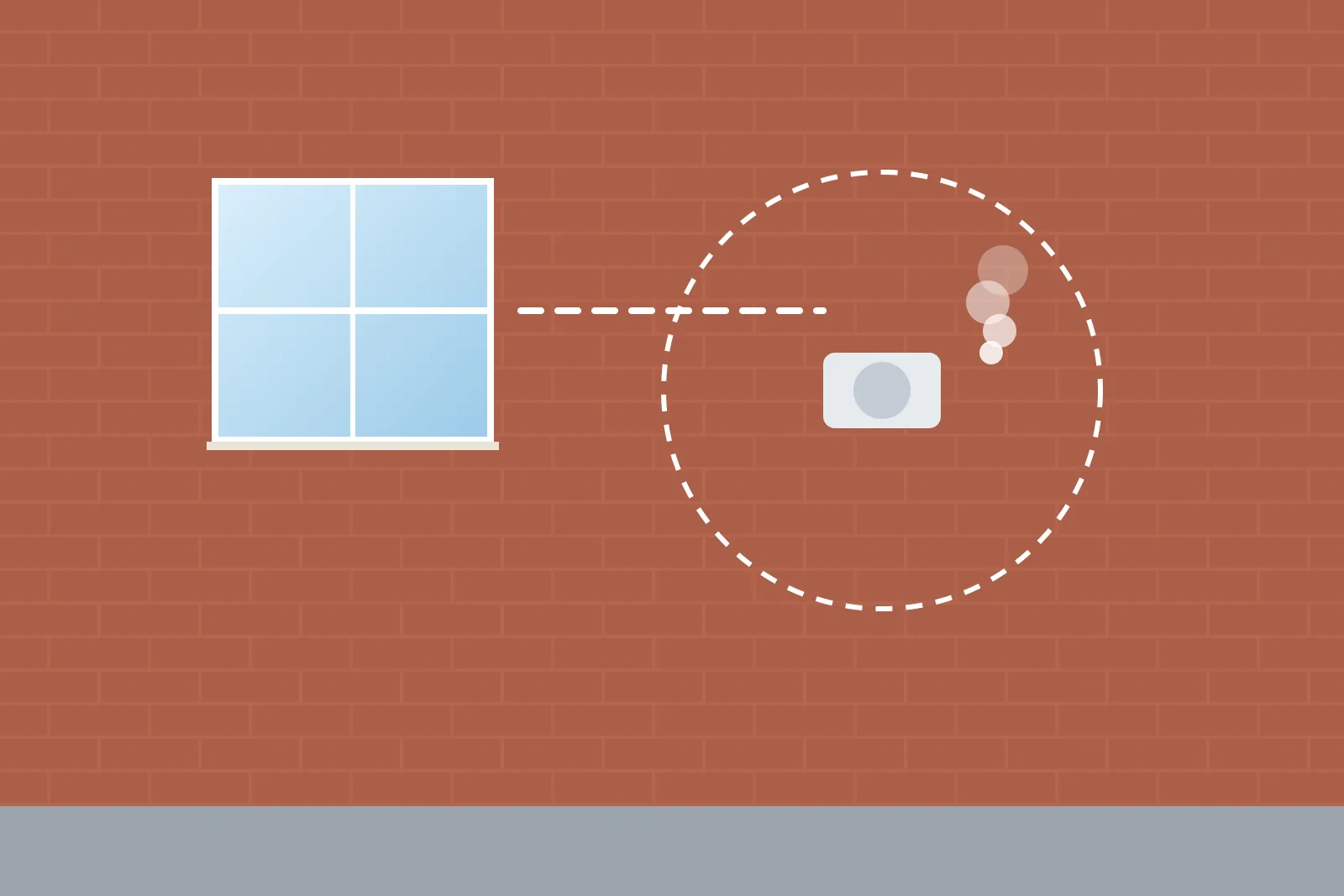
If your flat already has gas, replacing an old boiler with a modern condensing combi is usually the most straightforward option. Flats have particular flue challenges: the terminal must be the right distance from windows, doors, balconies and walkways, and the condensate pipe needs somewhere to drain. Plume kits can redirect the flue exhaust. A Gas Safe engineer will check these details on the survey. See boiler flue rules and condensing boilers explained.
All-electric flats
For flats without gas, modern high-heat-retention storage heaters are often the best value if you're on an off-peak tariff. They charge overnight and release heat through the day with much better control than old-style heaters. Panel radiators are cheap to install and controllable room by room, but cost more to run if used heavily. Electric boilers let you keep wet radiators and a hot water cylinder but run at the same unit cost as panel heaters.
See replacing storage heaters, electric radiators vs central heating and is an electric boiler right for you.
Need a heating engineer?
Describe the job and compare free quotes from local heating engineers near you.
Free and no obligation. Quote requests are handled by our partner, Bark.
Heat pumps in flats
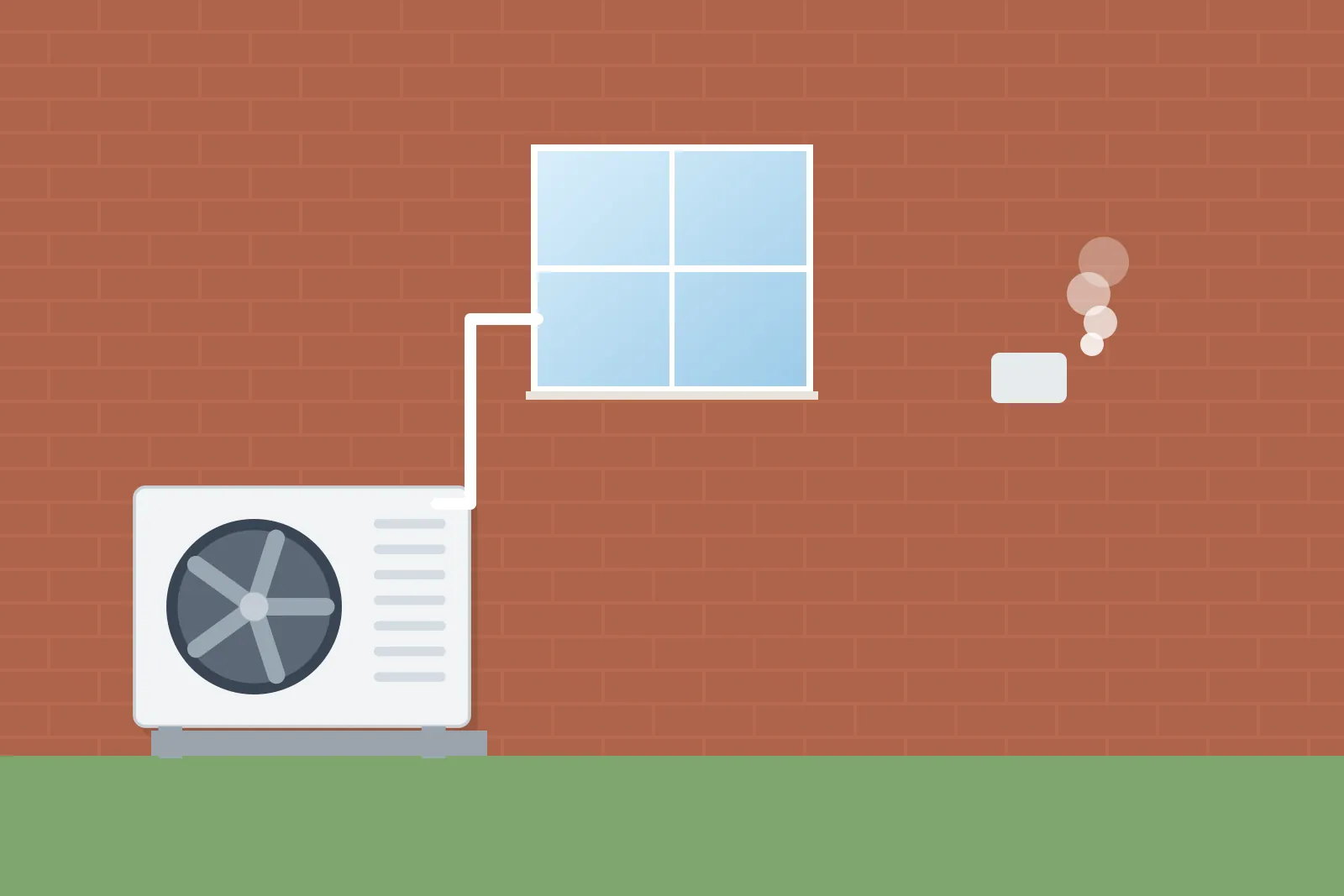
Heat pumps are possible in some flats, especially ground-floor or top-floor flats with a balcony, garden or roof space. Compact air-to-water units, through-wall units and shared ground loop systems are all being used in UK blocks. The main hurdles are space for the outdoor unit, noise limits, consent from the freeholder and planning permission in some cases. See heat pumps vs gas boilers.
Communal heating
If your block has communal heating, you usually can't switch to another system yourself. You can, however, ask for heat meters, controls and a breakdown of how charges are worked out. Good room-by-room controls and well-balanced radiators still make a difference to comfort and cost. See heating controls explained.
Typical costs
Get quotes from local heating engineers and mention you're in a flat, so they can check access, flue routes and consent requirements during the survey.
| Job | Typical cost |
|---|---|
| Replace gas combi boiler in a flat | £2,000 – £4,000 |
| Modern storage heaters (2-bed flat, 3–4 heaters) | £2,000 – £4,000 |
| Electric panel radiators (2-bed flat) | £1,000 – £2,500 |
| Electric boiler with existing radiators | £2,000 – £4,000 |
| Air-to-water heat pump (where permitted) | £7,000 – £13,000 before grants |
Indicative heating installation costs in flats (2026)