The short answer
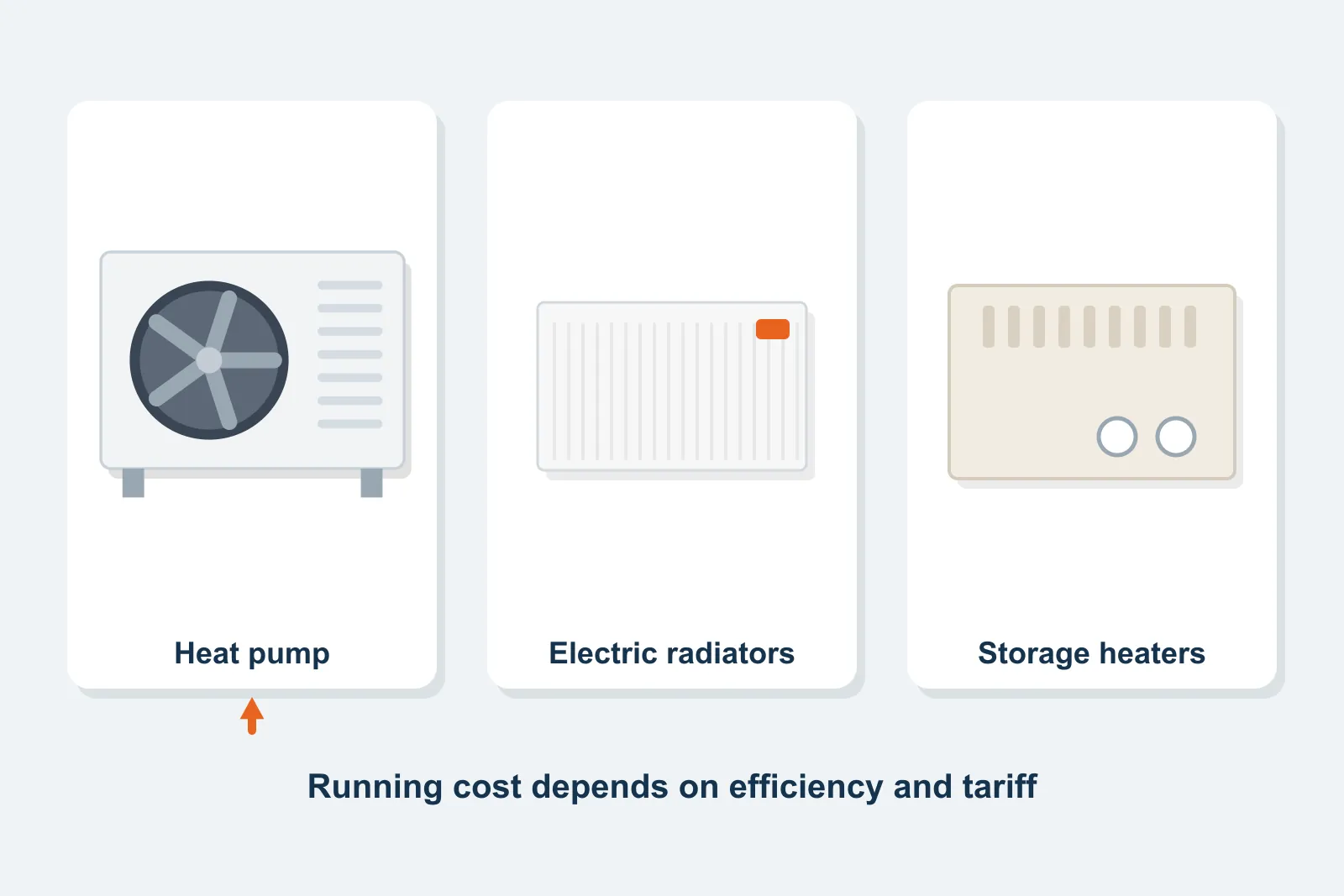
If you're comparing running costs, an air source heat pump is usually the cheapest way to heat a home without gas, because it produces around three units of heat for every unit of electricity it uses. Storage heaters on an off-peak tariff come next for many smaller homes. Direct electric heating – panel heaters, electric radiators and electric boilers – is simple and cheap to install but expensive to run.
Oil and LPG sit somewhere in between, depending on fuel prices, which can swing a lot.
| System | Install cost | Running cost | Best for |
|---|---|---|---|
| Air source heat pump | £8,000 – £14,000 (before grant) | Low | Well-insulated homes, long-term savings |
| Storage heaters (modern) | £400 – £900 per heater | Low to medium on off-peak | Flats, smaller homes |
| Electric radiators | £200 – £700 per radiator | High | Small spaces, occasional use |
| Electric boiler | £2,000 – £4,500 | High | Flats where gas isn't allowed |
| Oil boiler | £3,500 – £6,000 | Medium, volatile | Rural homes already on oil |
| LPG boiler | £3,000 – £5,000 | Medium to high | Rural homes without oil storage space |
Heating without gas: rough comparison (2026)
Heat pumps
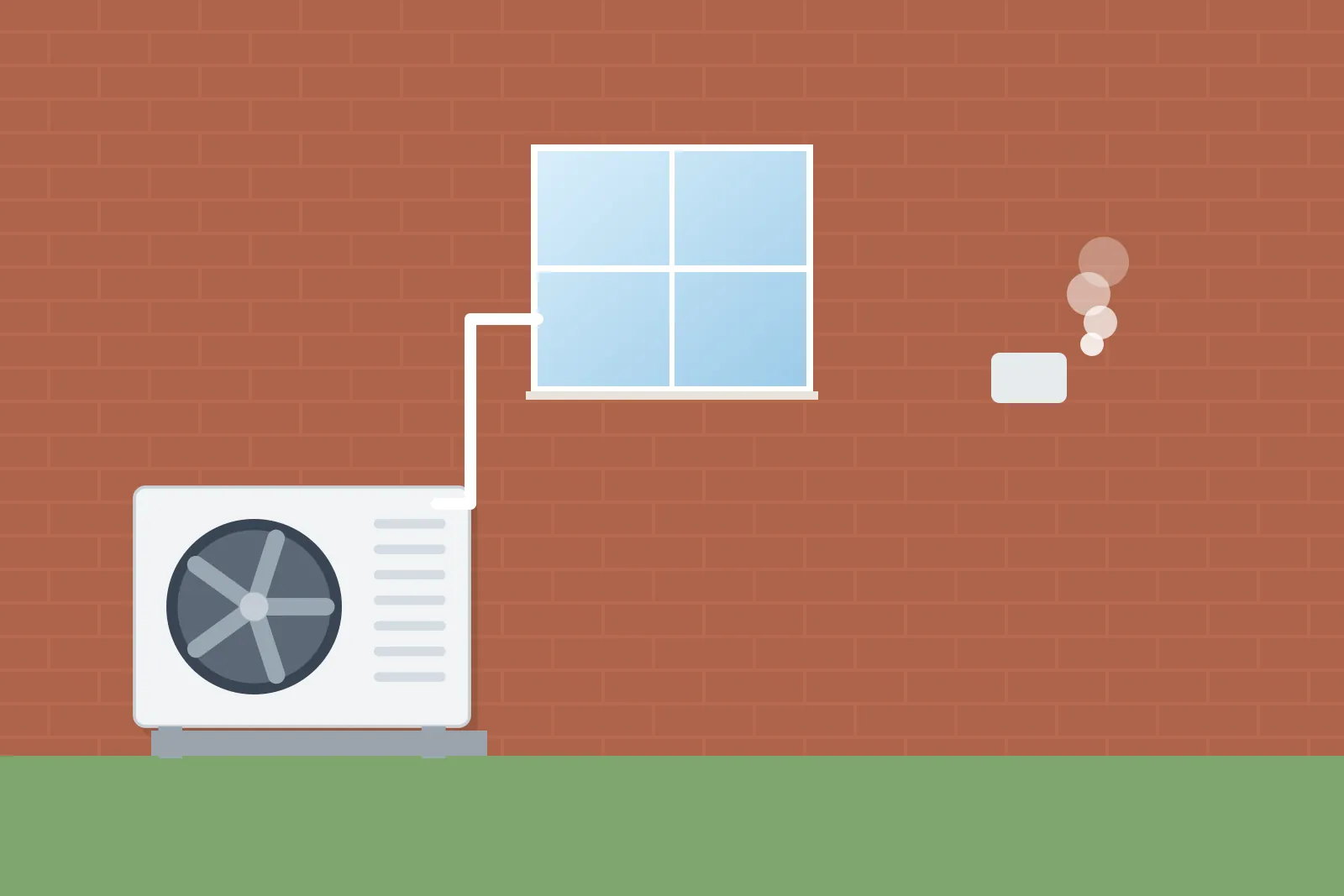
Air source heat pumps take heat from the outside air and move it into your home. Because they're so efficient, the running cost per unit of heat is usually lower than direct electric heating, oil or LPG. In England and Wales, the Boiler Upgrade Scheme currently offers a £7,500 grant towards an air source heat pump, which can bring the installed cost close to that of a new oil or gas boiler.
Heat pumps work best with good insulation and larger radiators or underfloor heating, because they run at lower temperatures. See heat pumps vs gas boilers and radiators for heat pumps.
Storage heaters
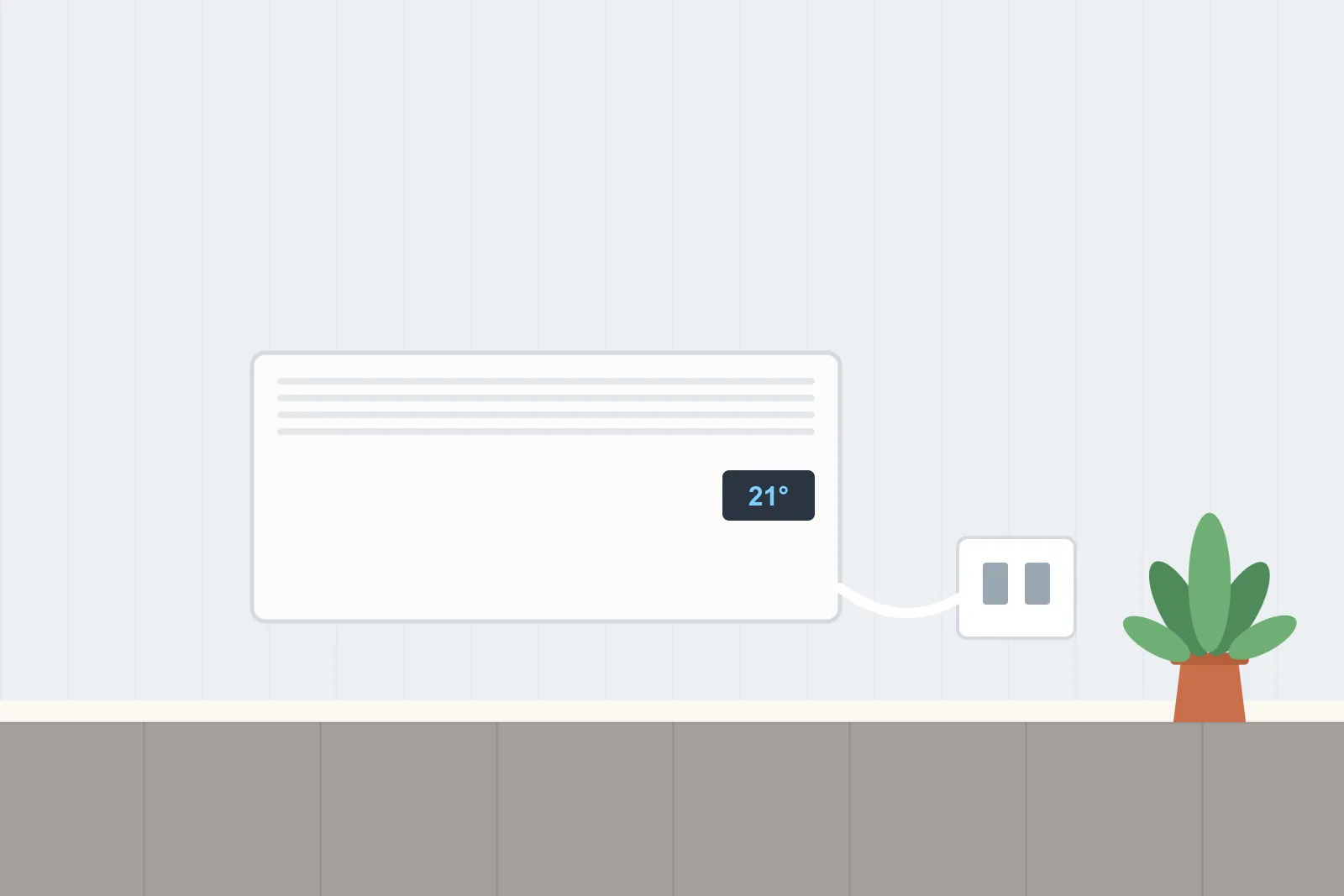
Storage heaters charge up overnight on cheaper electricity and release heat during the day. Modern, well-controlled storage heaters are much better than older models that leaked heat when you didn't need it and ran out in the evening. They're a sensible option for flats and smaller homes on a suitable off-peak tariff.
Our guide to replacing storage heaters explains the options.
Need a heating engineer?
Describe the job and compare free quotes from local heating engineers near you.
Free and no obligation. Quote requests are handled by our partner, Bark.
Electric radiators and electric boilers
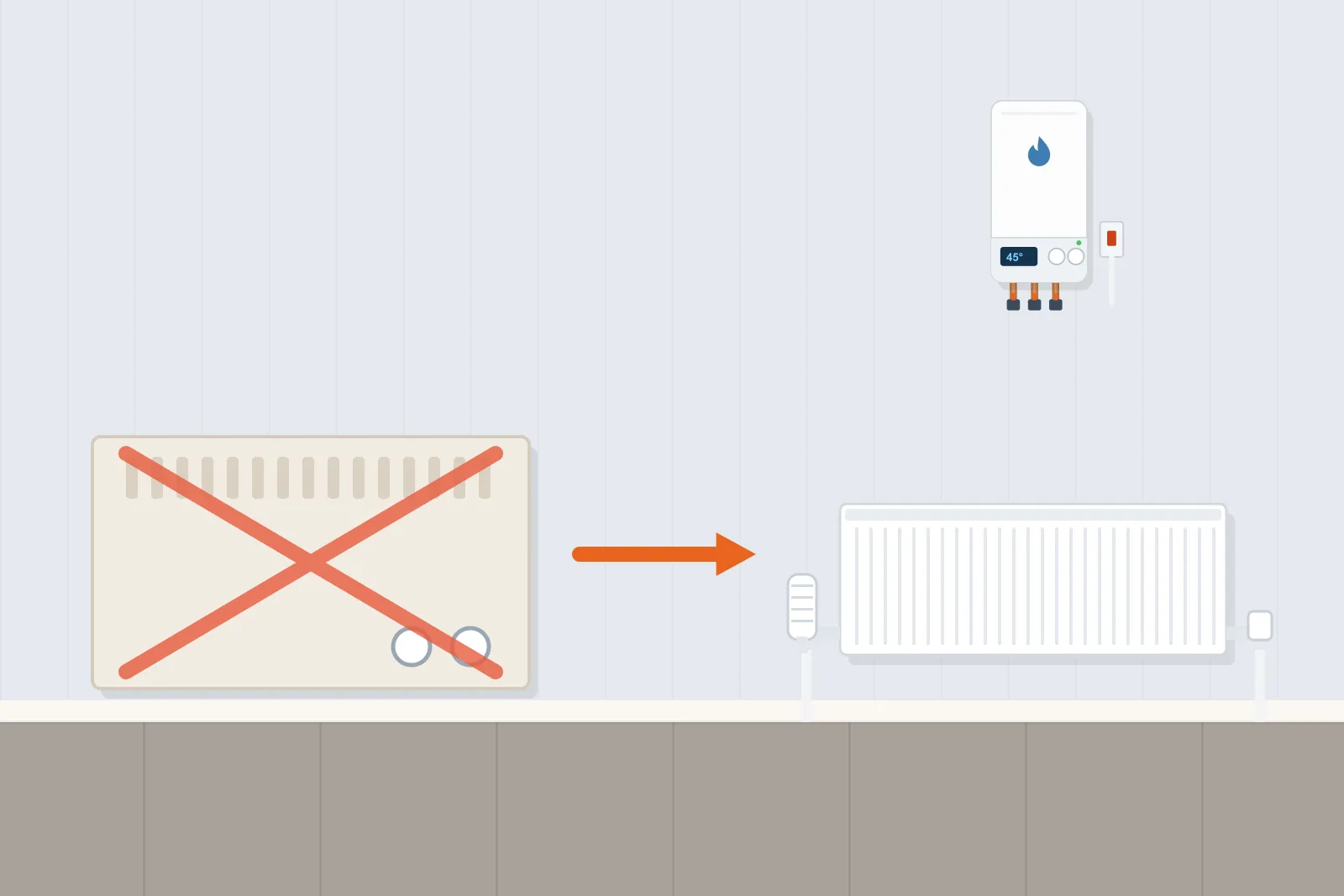
Direct electric heating is 100% efficient at the point of use, but electricity costs considerably more per kWh than gas or oil. That makes it expensive to run as your main heat source, unless the home is small and very well insulated. Installation, however, is cheap and simple.
See electric radiators vs central heating and is an electric boiler right for you.
Oil, LPG and biomass
Many rural homes use oil or LPG boilers. Running costs depend heavily on fuel prices, which can rise sharply. Biomass boilers burn wood pellets and can be cheap to run, but they need space for fuel storage and more hands-on maintenance. See LPG boilers explained and oil to gas conversion.
Choosing the right option
The cheapest option depends on your home, how long you'll stay, and how much you can spend up front. A heating engineer can calculate heat loss and give you a proper comparison. Get quotes from local heating engineers, and see our guide to ways to cut heating bills.